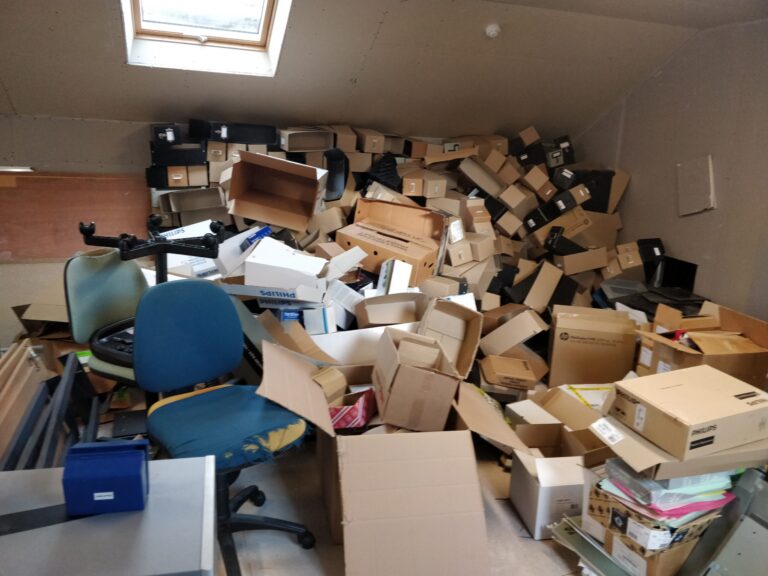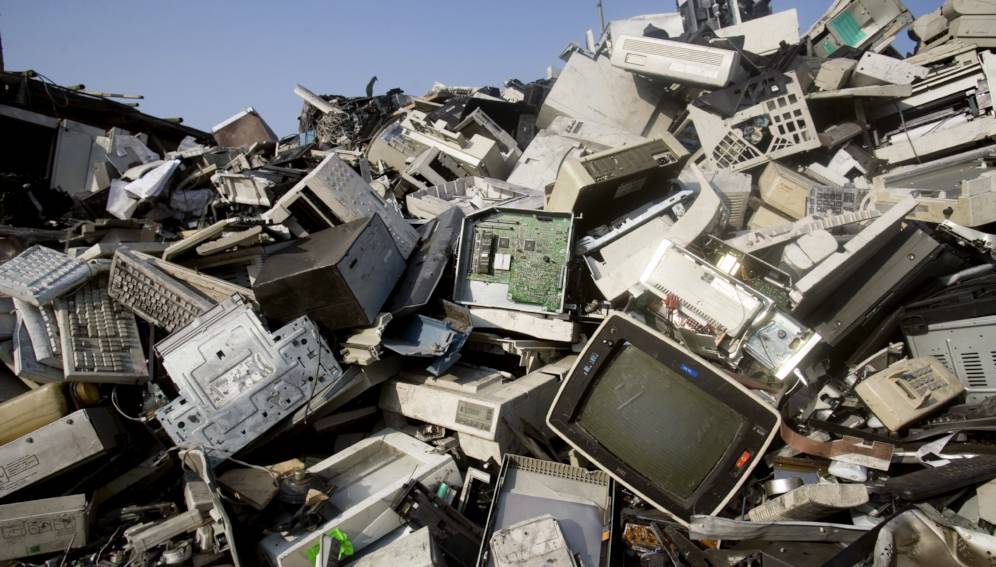
In most modern workplaces, electronic devices are absolutely essential. However, eventually many of these computers, phones, printers, tablets, and other items do become obsolete, broken or redundant. Disposing of them improperly can cause major issues: data breaches, environmental damage, safety hazards and regulatory compliance problems.
Proper e-waste disposal for businesses in Melbourne means relying on specialist services for electronic garbage removal. At Melbourne City Rubbish, we help businesses in a range of industries dispose of their electronic garbage in a safe and effective manner. We partner with a number of facilities to ensure that these items are dealt with sustainably.
What counts as electronic garbage?
Electronic garbage—also known as e-waste—is any discarded electronic device or component that has reached the end of its useful life. Typical items include:
- Desktop computers, laptops and peripherals such as keyboards, mice and monitors
- Servers, networking equipment and redundant IT infrastructure
- Printers, scanners, photocopiers and fax machines
- Telephones, mobile devices and related accessories
- Uninterruptible power supplies (UPS), power boards and surge protectors
- External drives, hard drives, media storage devices
- Old cables, chargers and wiring
- Small appliances — kitchen or office devices with electronic circuits
- Broken or outdated audiovisual equipment: projectors, speakers, conference gear.
If an item contains electronic components, circuits, battery or power circuitry, it is likely considered electronic garbage. Because of the materials involved — plastics, metals, circuit boards, batteries — it must be processed properly. For businesses involved in renovation, upgrade or relocation projects, large volumes of electronic garbage can accumulate quickly, making professional electronic junk removal essential.
Why e-waste is different from regular rubbish
Risks of improper disposal
Throwing electronics into general waste bins or building rubbish bins is not only irresponsible — it can also be illegal. Electronic devices often contain hazardous materials such as lead, mercury, cadmium or brominated flame retardants. When disposed without care, these substances can leach into soil or waterways, causing environmental harm. In addition, improperly discarded electronics pose safety and liability risks. Broken screens, sharp metal parts or battery damage can cause injury during handling or transport.
How electronic garbage affects your business and the environment
Businesses that dispose of e-waste incorrectly risk regulatory fines and possible reputational damage. Environmental damage from illegal dumping reflects poorly on corporate responsibility and may violate state or federal waste laws. On a human level, careless e-waste disposal harms public health and local ecosystems. Using appropriate e-waste disposal channels helps protect communities while ensuring compliance and maintaining your business’s standing.
Safeguarding data and protecting your brand
Perhaps the most critical risk for companies is data exposure. Disposed hard drives, servers or storage devices may still contain sensitive or confidential information. Simply tossing devices into general waste leaves them vulnerable to data theft or misuse. A professional electronic garbage removal service includes secure data destruction or verification, ensuring business confidentiality remains intact.
Toxic materials and environmental harm
Many electronic components are made from rare or toxic materials. Batteries, circuit boards, and certain screens contain heavy metals that are harmful if released. Recycling, correct disposal and specialist handling are essential to prevent chemicals leaking into ground water or the general waste stream. Responsible removal reduces environmental footprint and supports community safety.
Supporting a circular economy
Rather than simply discarding electronics, modern waste management aims to reuse, refurbish or recycle whenever possible. Through professional electronic garbage collection, companies can help recover valuable materials such as metals, plastics and glass from old devices. Working devices or parts may be refurbished and reused.
Components can be harvested for recycling. This supports a circular economy — where materials are reused rather than wasted — reduces demand for new raw materials, and lowers environmental impact. Sustainable electronic garbage removal contributes to broader goals of resource conservation and corporate environmental responsibility.
By choosing eco-conscious disposal services, businesses align with sustainability standards, demonstrate internal commitment to environmental performance, and often reduce disposal costs compared to landfill-bound waste.
Electronic garbage removal for Melbourne businesses
For businesses across Melbourne, from offices to retail, hospitality to warehouses, managing e-waste demands careful planning. Commercial properties often lack the infrastructure or permit arrangements to dump large electronics. Relying on standard garbage collection services is rarely enough. For that reason, a specialised electronic garbage collection provider makes sense.
Using a dedicated service ensures items are removed safely, data is secured, and disposal or recycling is compliant with state regulations and isn’t impacting human health. It also saves time and avoids disruption to business operations. Whether you deal in retail fitouts, office relocations, IT upgrades or routine equipment maintenance, professional electronic junk removal streamlines waste handling and protects your business interests.
Challenges in the Melbourne CBD
Melbourne’s CBD presents particular obstacles when it comes to e-waste removal. High-rise offices, tight lift access, restricted loading zones and traffic regulations complicate logistics. Large elevators may be required, or stair access may need careful planning. Deliveries may only occur during permitted hours, and building management sometimes requires escorts or permits for waste removal. Plus, council regulations and local dump-site rules may restrict disposal options for electronic garbage.
Efficient removal thus requires experienced crews who know how to navigate these challenges without disrupting tenants or violating building protocols. Turning to an experienced local provider removes the logistical burden from businesses and ensures compliance.
Safe handling and transport of electronics
Electronic waste often includes heavy or bulky items, with fragile screens and sensitive hardware. Transport requires secure packaging, padded handling, and careful load planning. Trained crews use proper lifting and loading techniques to prevent damage to building infrastructure, avoid injury and ensure safe transit. For devices with batteries or chemical components, additional care is vital to prevent leaks or hazards.
Secure data destruction as part of the process
Secure disposal goes beyond physical removal. Many obsolete devices still contain sensitive data. A reputable e-waste removal company offers data-sanitisation services, ensuring hard drives and storage media are wiped or physically destroyed to prevent data breaches. Clients receive a certificate or documentation confirming destruction, giving peace of mind and compliance with privacy standards.
Get a free quote for electronic garbage collection in Melbourne
If you are managing an office fitout, relocation, equipment upgrade or clearance, Melbourne City Rubbish offers a reliable, fully compliant solution for electronic garbage removal. Our team can survey your site, assess waste volume, plan logistics for CBD buildings and provide transparent pricing.
FAQs about electronic garbage
What electronic items cannot go in general waste?
Almost all electronic devices qualify as electronic garbage. This includes phones, laptops, servers, printers, monitors, UPS units, cables, network gear, and more. As these often contain hazardous materials or reusable components, they should never be placed in regular bins. General waste services may reject such items, or worse, dispose of them improperly — creating environmental and compliance issues.
Can old computers and servers be recycled?
Yes. Old computers, servers, storage devices and peripherals can often be recycled or refurbished. Metals, circuit boards and components may be harvested, plastics and glass reused, and working devices refurbished for reuse or resale. A professional removal service evaluates each item, separates recyclable materials, and arranges for appropriate processing. This reduces waste and helps recover value from redundant equipment.
How do you handle confidential data on devices?
We offer secure data destruction as part of our service. Before disposal or recycling, all storage media is wiped, data is securely erased, or physical destruction is performed. Clients receive a certificate confirming data sanitisation. This process ensures sensitive information is never exposed or recoverable.
What is the cost of electronic garbage collection?
Cost varies depending on volume of items, item type (e.g. large servers vs small peripherals), building access conditions, and whether data destruction or recycling is required. Melbourne City Rubbish provides transparent quotes based on assessment. In many cases, the overall cost is lower than handling waste internally when you factor in labour, compliance risk, time lost and disposal fees.