
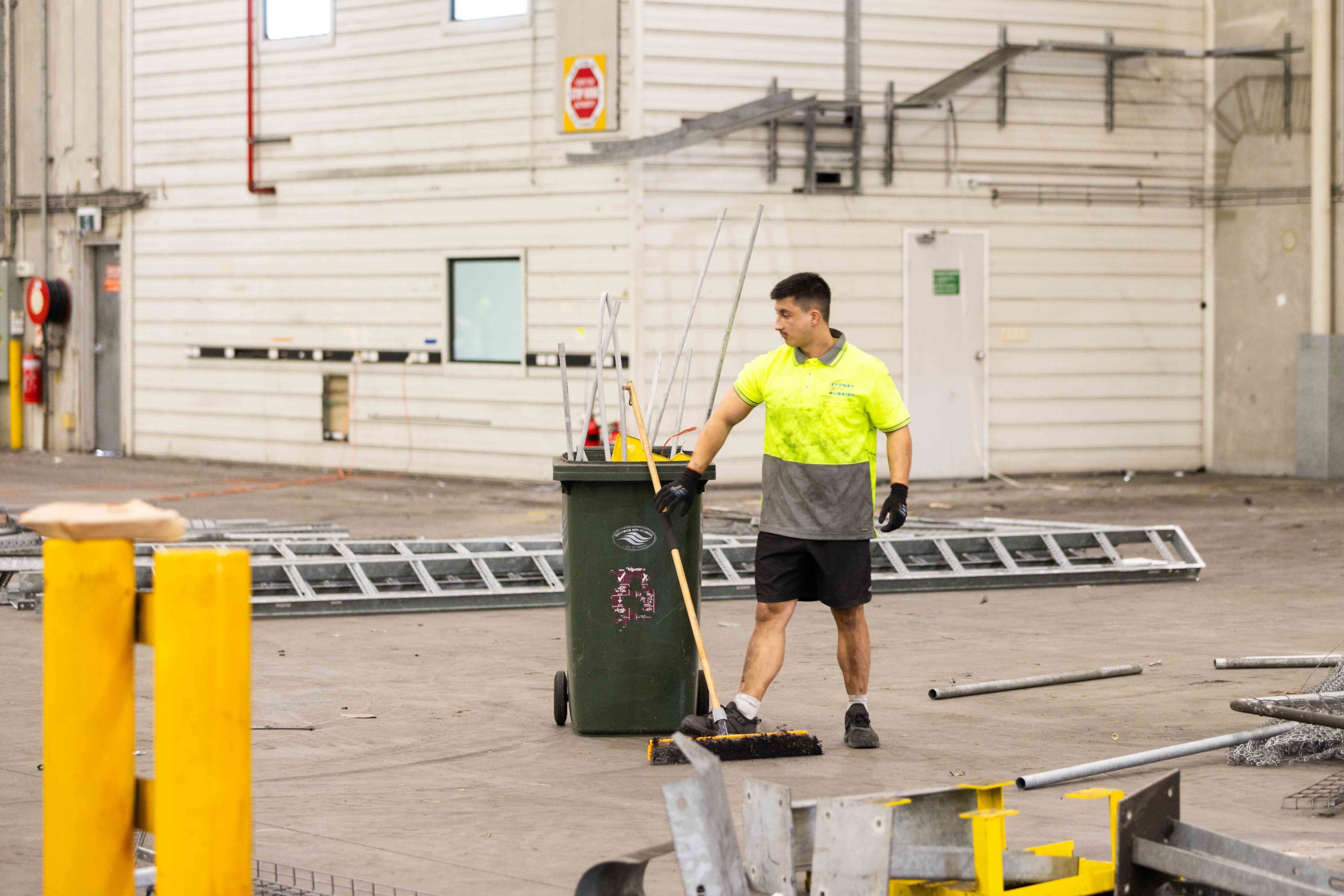
Managing waste is an unavoidable part of running any organisation, whether you operate a retail shop, office, café or warehouse. However, many Melbourne businesses pay far more than necessary because their waste systems have grown reactively rather than strategically. Understanding your business waste costs is the first step towards controlling them and building a more efficient operation.
With commercial rents, utilities and staffing already under pressure, waste management often becomes a hidden drain on budgets. The good news is that with the right approach and the right support, companies can achieve meaningful business waste cost reduction while improving cleanliness, compliance and sustainability.
Speak to our team today about reducing costs on your waste management plan.
Understand where your waste spend really goes
Before you can lower business waste costs, you need a clear picture of what you are paying for. Many organisations only look at a single invoice total, without examining the components behind it.
Typical rubbish removal costs include collection frequency, bin sizes, contamination charges, special pickups for bulky items and fees for specific waste streams such as cardboard or general waste. If bins are too large, collected too often or used incorrectly, expenses rise quickly.
A simple waste audit can reveal surprising inefficiencies. You might find that general waste bins contain recyclable materials, or that collections are scheduled more often than required. Addressing these issues is a practical starting point for business waste cost reduction.
Match bin sizes and collection schedules to actual needs
One of the most common causes of high business waste costs is a mismatch between service levels and real usage. Businesses often choose larger bins or frequent collections “just in case”, which leads to paying for empty space.
Monitoring how quickly bins fill over a few weeks provides valuable insight. If containers are only half full on collection day, there is an opportunity to downsize or reduce pickup frequency. On the other hand, consistently overflowing bins can trigger extra call-outs, which also increase rubbish removal prices.
By aligning bin sizes and schedules with actual waste volumes, organisations can move towards more affordable waste management without compromising hygiene or safety.
Separate waste streams to avoid contamination fees
Mixing different types of waste is another factor that pushes up business waste costs. When recyclables, food waste and general rubbish are thrown together, entire loads may be treated as contaminated and charged at higher disposal rates.
Clear signage, staff education and well-placed bins make a significant difference. Providing separate containers for cardboard, mixed recycling and general waste helps ensure materials go to the correct processing streams. This reduces contamination charges and supports business waste cost reduction.
In commercial settings, especially offices and hospitality venues, small behavioural changes can lead to noticeable savings over time. Cleaner waste streams also demonstrate environmental responsibility, which is increasingly important for customers and partners.
Plan for bulky and irregular waste
Many Melbourne businesses generate large items that do not fit into standard bins. Furniture, old equipment, packaging from deliveries and renovation debris can all result in unexpected collections. Without planning, these jobs often come with higher rubbish removal costs.
Scheduling periodic clear-outs or working with a provider that handles bulky items efficiently helps control rubbish removal prices. Instead of arranging urgent, one-off pickups at premium rates, businesses can bundle items into planned collections.
This approach not only supports more affordable waste management, it also keeps back-of-house areas organised and safe.
Reduce waste at the source
Lowering business waste costs is not only about collection and disposal. Reducing the amount of waste produced in the first place has a direct impact on expenses.
Simple measures such as ordering supplies in bulk, choosing reusable packaging and working with suppliers who take back pallets or containers can cut volumes significantly. Digital documentation also reduces paper waste in office environments.
These actions contribute to long-term business waste cost reduction while aligning with broader sustainability goals. Over time, smaller waste volumes mean smaller bins, fewer collections and lower overall rubbish removal costs.
Review your provider and service structure
Waste contracts often remain unchanged for years, even as business operations evolve. A growing team, new product lines or changes in trading hours can all affect waste patterns.
Reviewing your service regularly ensures you are not locked into outdated arrangements. Transparent rubbish removal prices and flexible services are key indicators of value. A provider that understands commercial operations can suggest adjustments that lead to more affordable waste management without reducing service quality.
For businesses in busy areas like Melbourne CBD, reliability is equally important. Missed collections can lead to overflow, hygiene issues and potential fines, which all add to overall business waste costs.
Train staff and assign responsibility
Even the best waste plan will struggle without staff engagement. Clear procedures and simple training help employees understand what goes where and why it matters.
Assigning responsibility for monitoring bins, reporting issues and coordinating collections ensures systems run smoothly. This practical step supports ongoing business waste cost reduction and prevents small problems from becoming expensive ones.
When teams understand the link between correct waste handling and lower rubbish removal costs, participation tends to improve.
Reduce waste management costs with Melbourne City Rubbish
At Melbourne City Rubbish, we provide tailored waste management solutions for businesses across the city. We focus on delivering high-quality services at a reasonable price, ensuring sustainable outcomes for all the waste we take. Looking for the perfect waste management partner? We’re here to help.
FAQs about waste management cost reduction in Melbourne
What factors affect business waste costs?
Key factors include bin size, collection frequency, waste type, contamination levels and the need for bulky item removal. Inefficient service structures often lead to higher business waste costs than necessary.
How can I achieve business waste cost reduction quickly?
Start with a waste audit, adjust bin sizes and collection schedules, and improve waste separation. These steps often deliver immediate business waste cost reduction.
Why do rubbish removal prices vary so much?
Rubbish removal prices depend on waste volume, material type, access to the site and collection frequency. Special items and urgent call-outs can also increase rubbish removal costs.
Is more affordable waste management still reliable?
It does depend on the provider, of course. However, our more affordable waste management solutions focuses on efficiency rather than cutting corners. By matching services to actual needs, businesses can reduce costs while maintaining cleanliness and compliance.


