A professional deceased estate cleanout is usually the right move once you have legal authority to act, or once you’re simply preparing the property for agents to inspect. A reputable operator sorts belongings, arranges donation and recycling, handles specialist cleaning, and disposes of what’s left safely, taking the physical burden off an executor already stretched thin. The one catch: never let a contractor clear the house until you’ve confirmed the will and probate position, because distributing or discarding assets too early can leave you personally liable.
TL;DR:
- Costs vary based on the property’s size, access difficulty, and need for specialized services like biohazard cleanup, making fixed quotes essential.
- Executors must confirm their legal authority and settle debts before instructing a cleanout contractor to avoid personal liability.
- Proper sorting and documentation during the estate cleanout protect valuables, paperwork, and ensure responsible disposal of e-waste and furniture.
- Starting cleanup and property preparation can begin before probate is finalized, but distributing assets requires confirmed authority and completed valuation.
- Reputable providers should offer transparent, written quotes, proof of insurance, and specific disposal pathways, with red flags including evasiveness and lack of documentation.
Table of Contents
- What a deceased estate cleanout actually includes
- How should executors sequence a deceased estate cleanout?
- What does a deceased estate cleanout cost, and how long does it take?
- When does a deceased estate cleanout need a specialist?
- How do you choose the right deceased estate cleanout service?
- Get a straightforward quote from Melbourne City Rubbish
- Executor resources worth bookmarking
- Sources
- FAQ
What a deceased estate cleanout actually includes
A proper deceased estate cleanout is not just a skip bin and a few strong backs. It’s a structured process that moves through every room, separating what stays, what gets donated, what gets sold, and what genuinely has no further use.
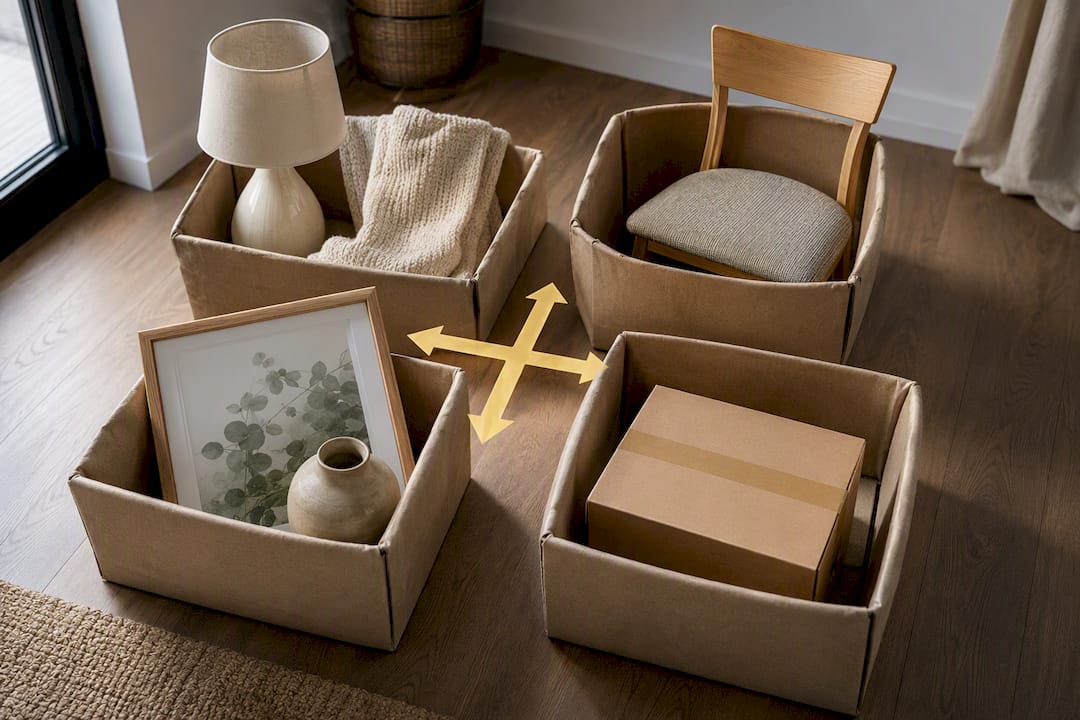
Most estate liquidation services work through the property methodically, triaging contents into clear categories before anything leaves the building. That matters because deceased estate rubbish removal done badly means valuables or important paperwork end up in landfill by accident, a mistake that practitioner guides on clearing a deceased estate flag as one of the most common and avoidable errors in the whole process.
A comprehensive service typically covers:
- Room by room sorting into keep, donate, sell, recycle, and rubbish streams
- Removal of furniture, whitegoods, and e-waste through the correct disposal channels rather than a general tip run
- Donation handling with receipts for the estate file, plus options for temporary storage or connecting the family to an estate sale process
- Deep cleaning, odour treatment, and light make-good work such as patching walls or steam-cleaning carpets before a sale campaign
Donation pathways deserve a special mention. Charities depend on usable furniture and household goods, and documented donation handling gives the estate a paper trail that can matter later if a beneficiary questions where items went. Furniture that’s too worn for donation, like an old couch nobody wants, still needs a proper disposal route rather than being dumped on the kerb; large-item removal services exist specifically for that scenario. E-waste is another category that trips people up since old televisions, computers, and appliances often contain materials that shouldn’t go straight into general waste streams.
How should executors sequence a deceased estate cleanout?
The order you do things in matters more than almost anything else in this process. Get it wrong and you risk losing a will, a share certificate, or grandma’s wedding ring in a skip bin before anyone’s had a chance to look for it.
- Confirm your legal authority first. Locate the original will and work out whether you need a grant of probate before you can act. NSW Government guidance for executors is explicit that executors are personally liable if they distribute assets before debts and taxes are settled, and many jurisdictions expect a waiting period before final distribution.
- Secure the property. Change locks if needed, keep insurance active, and leave utilities connected so tradespeople and cleaners can actually do their jobs later.
- Photograph and inventory everything. A room by room record protects you if a beneficiary later disputes what happened to a particular item.
- Search thoroughly before anything is cleared. Documents, cash, jewellery, and digital account details are regularly found stuffed in drawers, books, or old handbags. Step by step clearance guidance is blunt on this point: never book a skip before the property has been searched properly.
- Get valuations on anything that could affect tax or distribution, then sort and document what happens to each item.
- Only now should you instruct a cleanout contractor to remove what’s left.
An executor checklist for Australian estates puts typical straightforward estate administration at six to twelve months, with probate applications alone often taking several weeks to prepare and lodge. The physical clearance is usually one of the last things that happens, not the first.
Pro Tip: Build a simple spreadsheet the day you start: item, room, decision (keep, donate, sell, discard), and date. It takes an hour and saves you from ever having to explain, months later, where something went.
What does a deceased estate cleanout cost, and how long does it take?
Pricing for a deceased estate cleanout usually comes down to volume, access, and whether anything unusual is involved. A single-bedroom unit with clear access costs a fraction of a hoarded four-bedroom house with a steep driveway and no off-street parking for a truck.
Common pricing factors include:
- Volume of items and whether the home shows signs of hoarding
- Access difficulty, including stairs, narrow lanes, or distance from the truck
- Specialist removal needs, such as biohazard cleaning or asbestos handling
- Travel distance for jobs outside the usual service area
A fixed on-site quote is worth insisting on. Reputable operators will send someone out, or at minimum ask for detailed photos and a walk-through video, before locking in a price, and any quote based on photos alone should be described as provisional until someone’s actually seen the property. Fixed upfront pricing with no surprise add-ons at the end is one of the clearest signs you’re dealing with an operator who does this properly.
Estate administration and physical clearance run on genuinely different clocks. Legasy’s executor guidance puts full estate administration at six to twelve months for a straightforward case, while Estate Care Australia’s property checklist notes that physical preparation, cleaning, and minor repairs can often start well before probate is finalised, provided you’re not distributing assets.
That gap is the source of most confusion. You can usually start tidying and cleaning a property early. You cannot start giving things away or selling estate assets until your authority is confirmed.
When does a deceased estate cleanout need a specialist?
Not every job is a straightforward sort and clear. Some scenes call for certified remediation, not a standard cleaning crew, and mixing the two up is where things go wrong fast.
An unattended death, a significant illness in the home, or any scene involving bodily fluids falls into biohazard territory. These situations require clinical-grade disinfection, proper PPE, and disposal through compliant waste streams, not a domestic cleaner with a mop and some bleach. Work health and safety obligations apply here, and a genuinely qualified team will be able to explain their remediation protocol without you having to ask twice.
Beyond biohazard cases, a few other situations need a different tradesperson entirely:
- Fixed appliances that are wired or plumbed in need a licensed electrician or plumber, not a removalist, to disconnect safely
- Structural issues like sagging floors or cracked walls need an inspection before anyone starts pulling things out
- Long-vacant properties often hide mould, pest infestations, or damp that only surface once furniture is moved, and those problems can change both the scope and the cost of the job significantly
If a provider can’t answer clearly when you ask about their remediation certification or waste disposal compliance, treat that as a warning sign rather than a minor gap.
How do you choose the right deceased estate cleanout service?
Picking the right provider comes down to a short list of concrete checks, not a gut feeling about who sounds nicest on the phone.
- Ask for proof of insurance and staff background checks. A legitimate operator should have both ready to show you, unprompted.
- Request a written, fixed quote, not a verbal estimate that can shift once the truck arrives.
- Ask exactly where items go. A good answer names specific donation partners, recycling facilities, and e-waste processors, not a vague “we sort it out”.
- Ask how they handle sensitive family items like photo albums, letters, or jewellery found during the clear.
- Watch for red flags: no written paperwork, pressure to decide on the spot, or evasiveness about disposal routes.
Positive signals to look for include years of documented local experience, transparent donation receipts, and a calm, unhurried first phone call that explains the process without pushing you toward a decision. A move in and move out cleaning specialist can give you a useful benchmark for what a genuinely deep clean should look like, since estate cleaning needs to go well beyond a standard tidy up.
Pro Tip: Keep every quote, receipt, and email in the estate file, even the ones from providers you didn’t choose. If a beneficiary ever questions your decisions, a paper trail showing you compared options and chose reasonably is worth more than any explanation after the fact.
Get a straightforward quote from Melbourne City Rubbish
Once you’ve confirmed authority and sorted what’s staying, Melbourne City Rubbish handles the physical clearance itself, room contents, furniture, whitegoods, and e-waste, without you having to coordinate multiple contractors.
The job runs on fixed, upfront pricing with no surprise charges once the truck’s on site. You can opt into carbon-neutral disposal at no extra hassle, and donation items are handled through proper channels rather than tipped in with general rubbish. Whether you need a full property clearance or just help to move out a few large pieces, our quick quote page gets you a fixed price fast, or we can arrange an on-site visit if the job is large or the access is tricky.
Executor resources worth bookmarking
The NSW Government’s guide for executors and Legasy’s executor checklist cover probate timing, distribution rules, and legal duties in detail.
Sources
- Acting as an executor | NSW Government
- Executor checklist Australia – Legasy
- Executor’s property checklist: selling a deceased estate in Melbourne | Estate Care Australia
- Clearing a deceased estate: a step-by-step guide
FAQ
How do you clean out a deceased estate?
Confirm your legal authority first, then secure the property, search thoroughly for documents and valuables, get valuations on anything significant, and only then book a cleanout contractor to remove what remains.
How much does a deceased estate cleanout cost?
Cost depends on volume, access, and whether specialist work like biohazard remediation is needed, so always get a fixed, on-site quote rather than relying on a photo-only estimate.
What is the six-month rule for a deceased estate?
Many jurisdictions expect executors to wait roughly six months after the grant of probate before making final distributions, giving creditors and potential claimants time to come forward, as outlined in NSW Government guidance.
Do you need probate before clearing a deceased estate property?
You don’t always need probate to start cleaning or minor repairs, but you should avoid any action that amounts to distributing estate assets until your authority as executor is confirmed.
How long does deceased estate administration take?
Straightforward estates typically take six to twelve months to administer fully, according to Legasy’s executor checklist, though the physical cleanout itself is usually one of the fastest steps once you reach it.