DIY rubbish removal suits small, light, one-trip jobs: a car boot of garden waste or a few broken chairs. A professional service suits anything bulky, heavy, mixed, commercial or hazardous, and anything where you need proof the waste went to a lawful facility. The gap between the two is rarely just the price on the quote. It is also your time, your vehicle, the tip fees, the lifting risk and who carries the legal responsibility if the waste ends up in the wrong place.
This guide walks through each of those factors so you can decide job by job, whether you are clearing a rental before an end-of-lease inspection, an office after a move, or a site after a renovation.
TL;DR
- DIY works for small, light, non-hazardous loads that fit your vehicle in one or two trips. Add up fuel, tip fees and your own time before you call it free.
- Professional removal makes sense for bulky furniture, mixed loads, construction debris, commercial fit-outs and anything that might contain asbestos or chemicals.
- Responsibility follows the waste. In some states, including NSW, you can still be held liable if a contractor you hired dumps your waste illegally, so ask for a written quote and the tip receipt.
- Recycling depends on sorting. Ask any provider where your waste goes and what share is diverted from landfill.
- Council hard waste collections and tip vouchers can cover small household jobs, but they exclude commercial and building waste.
Table of Contents
- What counts as DIY and what counts as professional removal
- The real cost comparison
- Time, effort and equipment
- Safety and handling
- Who is responsible for the waste
- Recycling and the environment
- Which option fits which job
- A short decision checklist
- Get a quote for your job
- FAQ
- Sources
What counts as DIY and what counts as professional removal
DIY means you load, drive and pay to dispose of the waste yourself. Usually that is your own car, ute or a borrowed or hired trailer, followed by a trip to a council transfer station or a private tip. It also includes booking a council hard waste collection, where the council collects items you have placed out, within its rules.
Professional removal means a business collects the waste from where it sits, loads it, transports it and disposes of it at an authorised facility. At Melbourne City Rubbish that covers general bulk rubbish, commercial office rubbish removal, construction waste, strip-outs, make-good clearances and demolition debris. It is a different service from skip hire, where a bin is left on site and you do the loading yourself.
The real cost comparison
DIY looks cheap because the biggest costs are not on an invoice. A fair comparison counts five things.
- Vehicle. Fuel, wear, and the cost of hiring a ute, van or trailer if you do not own one.
- Tip fees. Charged by load size or by weight at the gate.
- Trips. A load that does not fit in one trip means a second round of driving, unloading and fees.
- Your time. Loading, driving, queueing at the weighbridge and unloading.
- Help. Hiring labour, or a favour you will repay, for anything heavy.
What tip fees look like
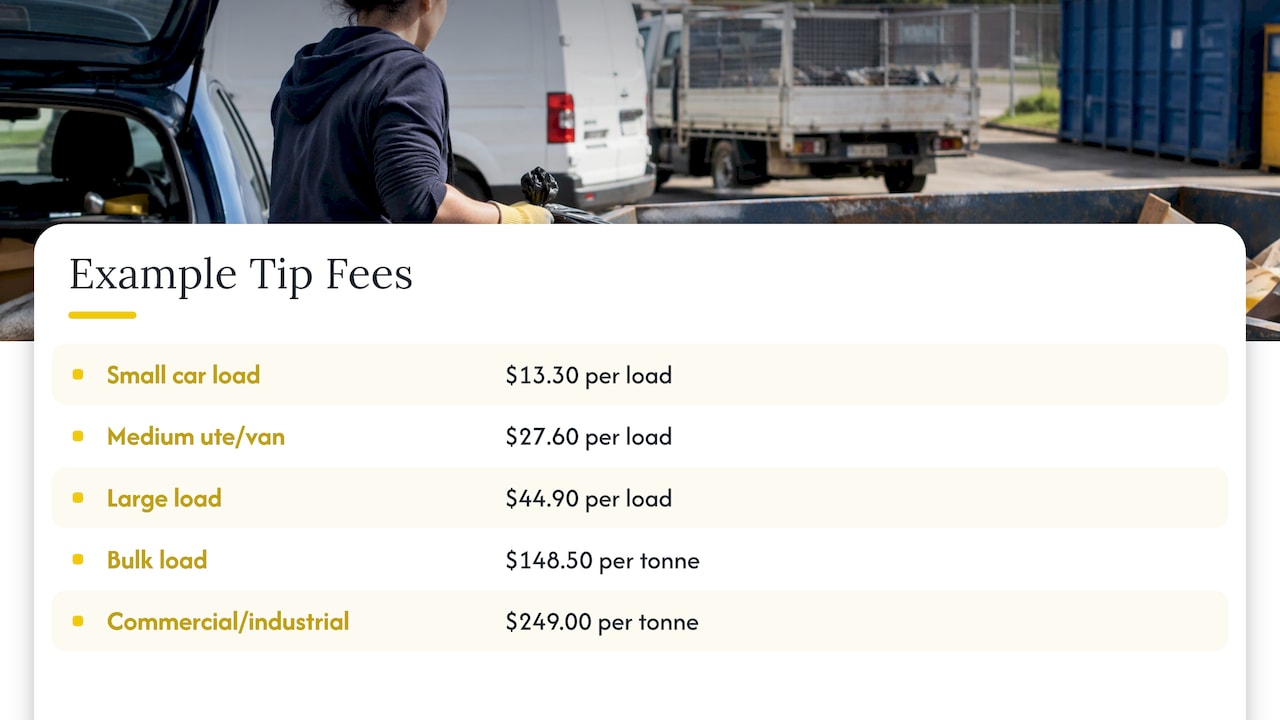
Fees vary widely by council and change every financial year, so treat these as examples rather than Melbourne prices. Townsville City Council’s 2025/26 fees list domestic mixed waste at $13.30 for a small car load, $27.60 for a medium ute or van and $44.90 for a large load, with bulk loads at $148.50 per tonne. The same schedule puts commercial and industrial mixed waste at $249.00 per tonne. That is a Queensland council, but it shows the pattern: commercial waste costs far more per tonne than a household car load.
For Victoria, fees at Melbourne transfer stations are set by each council or private operator and rise with the state landfill levy. Check the current gate fee for your nearest facility before you load, and ask whether it charges by vehicle size or by weight.
Council programs can reduce the bill for small household jobs. Frankston City Council, for example, offers a free hard waste collection each financial year for eligible households, and paid extra collections cost $198.00 standard or $159.00 concession for up to 2 cubic metres, with an extra $25.50 per mattress or base. Surf Coast Shire issues annual vouchers for free drop-off of up to one cubic metre of green waste and one of general waste, but does not accept commercial, building or hazardous waste. Eligibility, volume limits and booking windows differ by council and by year, so confirm them on your own council’s page.
A worked comparison
Take an end-of-lease clear-out: an old couch, a mattress, a desk, a few bags of general rubbish and some broken shelving. This is an illustration, not a quote.
| Cost item | DIY | Professional removal |
|---|---|---|
| Vehicle | Ute or van hire, or your own fuel and wear | Included in the job |
| Labour | You and a helper, plus carrying through stairs or lifts | Crew loads and carries |
| Tip fee | Paid at the gate, often per load or weight | Included in the quote |
| Trips | Often two or more for a couch, desk and mattress | One collection |
| Time | Half a day to a full day | Booked window, then done |
| Cleaning up | Sweeping and re-trips are on you | Part of the service |
For a handful of items that fit in your car, DIY usually wins on price. Once you need a hired vehicle, a second trip or an extra pair of hands, the gap narrows quickly. Because every job differs, the fair way to compare is to get a written quote for the professional option and total your own DIY costs against it. At Melbourne City Rubbish, quotes are provided per project, and we promise to beat any written quote by 5%.
Time, effort and equipment
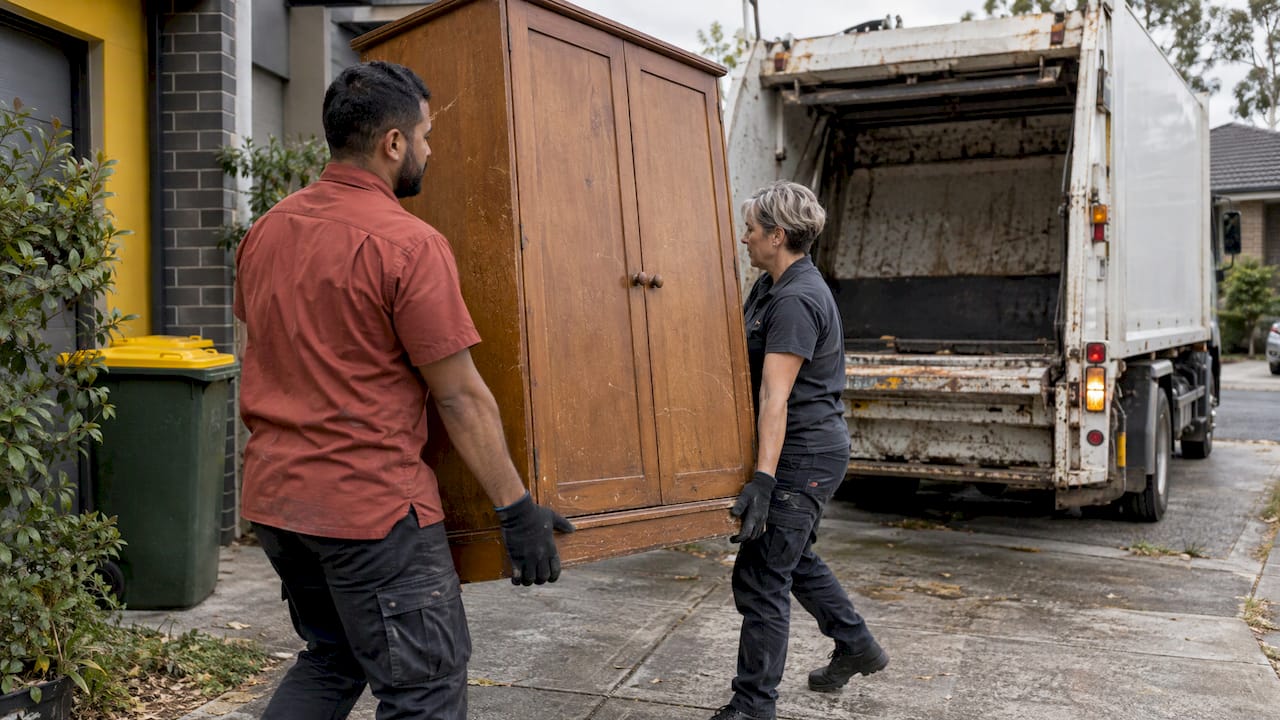
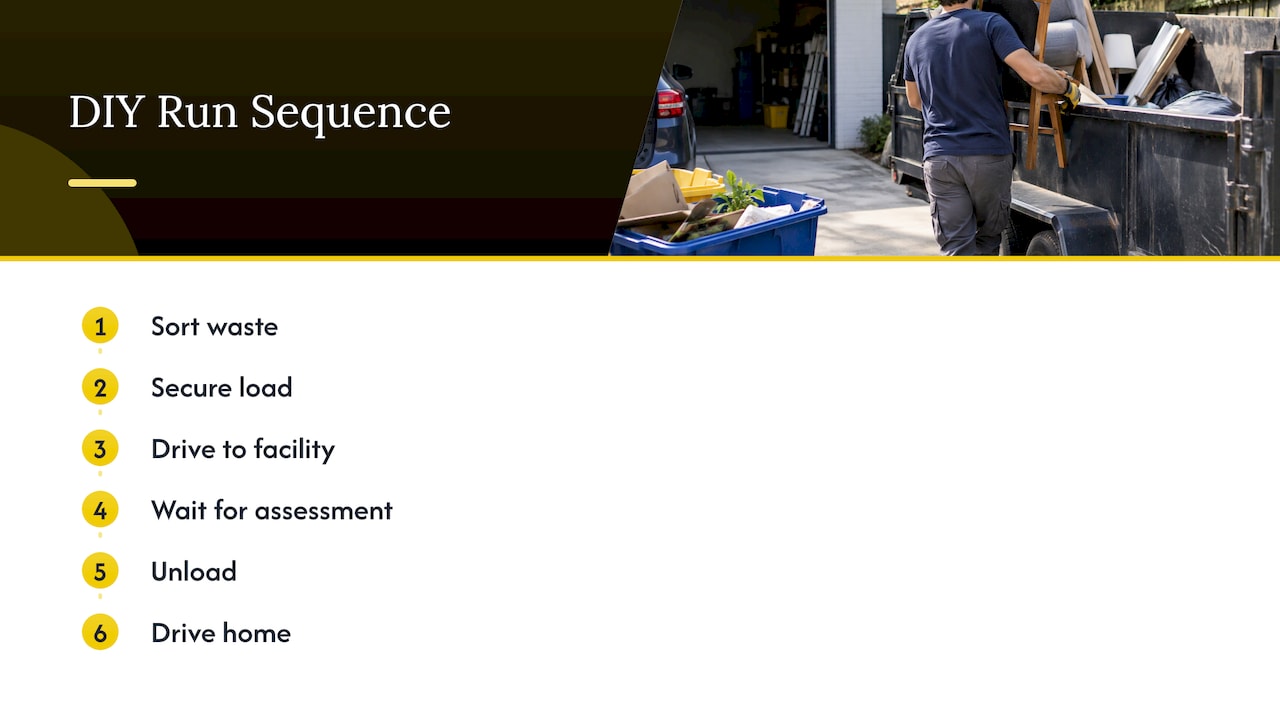
The time cost of DIY is easy to underestimate. A realistic DIY run includes sorting the waste, loading it in a way that is legal and secure, driving to the facility, waiting to be weighed or assessed, unloading, and driving home. Bulky items such as wardrobes, fridges and office desks often need disassembly, and they need two people.
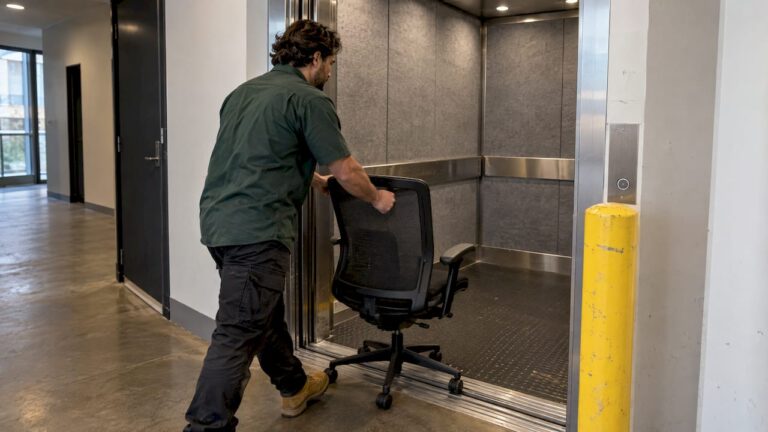
Commercial jobs raise the stakes. Moving waste through a building means booking the goods lift, protecting common areas and working within building management hours. A professional crew that works in Melbourne commercial buildings every week already knows those constraints. Our service is built around no mess and no damage to property, and we send real-time notifications and offer a lateness credit if we run behind, so your day does not stall waiting for a truck.
If you do go DIY, plan it. Sort waste by type first, check the facility’s opening hours and accepted items, wear gloves, closed shoes and eye protection, and secure the load so nothing falls onto the road. Our guide to rubbish removal preparation lists the checks that stop items being rejected, and it applies whether you hire us or not.
Safety and handling
The injuries and hazards in rubbish removal are rarely dramatic. They are lifting strains, cuts from broken glass or nails, dust from demolition material and awkward loads on stairs. One industry article lists heavy lifting, dust, nails, broken glass and unstable materials as the main hazards of handling construction waste yourself.
The serious risk is hazardous material. Older buildings can contain asbestos, lead paint or treated timber, and disturbing them is not a DIY task. If you suspect asbestos in a wall, ceiling, floor tile or roof sheet, stop work and contact a licensed asbestos professional before anything is moved or broken up. A general rubbish crew should not be asked to take material you suspect contains asbestos either, and you should tell any provider about it up front.
Who is responsible for the waste
This is the part many people miss. Handing waste to a contractor does not always end your responsibility.
Under the NSW owner onus rules, if a contractor you hired dumps your waste illegally, you can still be held legally and financially responsible, with court penalties of up to $500,000 for individuals and $2,000,000 for corporations for non-asbestos waste. That is NSW law, and Victoria has its own rules, but the practical lesson travels. In Victoria, EPA Victoria has stated that waste must be taken to facilities it has authorised, and it has fined waste transport companies over illegal dumping near Melbourne’s fringe.
Small-scale dumping penalties are also real. In NSW, on-the-spot fines reach $2,500 for individuals and $10,000 for corporations. DIY carries its own version of this risk: putting items on the nature strip without a confirmed council booking can be treated as illegal dumping. Waverley Council in NSW, for instance, says items placed on the street without a confirmed clean-up booking count as illegal dumping and can attract fines of up to $8,000. Check your own council’s rules for when items may go out.
How to protect yourself when you hire
Wollondilly Shire Council’s advice is a good checklist for any state. It suggests you check the contractor’s ABN and credentials, get a written quote, be wary of prices that seem too good to be true, avoid paying cash, and ask for the tip receipt from the licensed facility. The tip receipt, also called a weighbridge receipt, is your evidence that the waste arrived somewhere lawful.
When you book with us, you can expect the same transparency: a written quote before the job and a clear answer on where your waste is going. Ask any provider for those, always.
Recycling and the environment
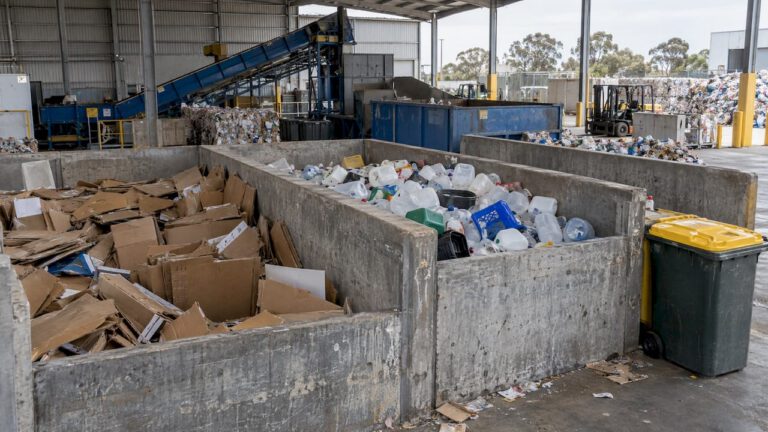
Both options can be responsible or wasteful. DIY depends on how carefully you sort. Putting the wrong items in a recycling bin can send recyclable material to landfill because it is too hard to separate, and the same logic applies at a tip: mixed loads are harder to recover from.
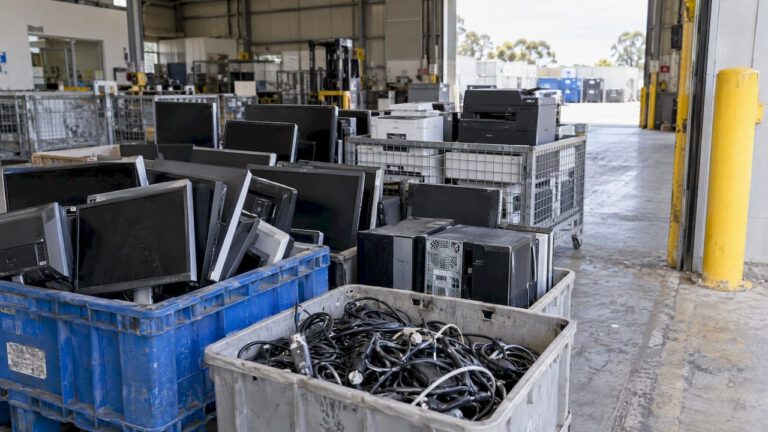
Professional services can do more of the sorting for you. An industry article notes that most professional operators sort and divert recyclables from landfill, which matters when a project must meet certification requirements such as Green Star. Our own approach is carbon-neutral operations, with an opt-in for eco-friendly disposal, and we handle furniture through our furniture disposal and recycling service. If furniture is still in good condition, our guide on whether to donate or recycle before booking removal is a useful first step.
Whichever route you choose, ask three questions: where does the waste go, what is sorted for recycling, and can I see the receipt?
Which option fits which job
The right answer changes with the type of waste, the volume and the location. This table sums up how we would approach common Melbourne situations.
| Situation | Best fit | Why |
|---|---|---|
| A few bags of garden waste | DIY or council service | Light, one trip, low fee |
| One or two bulky items | DIY if you have a vehicle, otherwise professional | Lifting and a second person matter |
| Free council hard waste eligibility | Council collection | Cheap for household items within limits |
| End-of-lease clear-out | Professional | Deadline, mixed items, need for a clean finish |
| Office cleanout or relocation | Professional | Building access rules, volume, furniture |
| Strip-out or make-good | Professional | Heavy, mixed, and often a lease obligation |
| Renovation with demolition debris | Professional | Weight, dust and disposal rules |
| Suspected asbestos or chemicals | Licensed specialist only | Legal and health risk |
The same industry article suggests DIY or a skip bin for small home renovations, and professionals for multi-room renovations and commercial or multi-trade sites. That matches what we see across Melbourne jobs.
Businesses and property managers
For commercial clients the question is rarely DIY or not. It is how to avoid disrupting trading while the waste leaves. Staff time is the real cost, and so are the risks around building access, damage to common areas and compliance records. A single provider that handles office junk, office cleanouts and make-good clearances can cover the whole project, and a written tip receipt gives you a paper trail for your lease or building manager.
Renovators and construction firms
Renovation waste is heavier and dustier than household rubbish, and councils typically treat it differently. Isaac Regional Council in Queensland, for example, states that construction and demolition waste is not considered household waste, so free household drop-off does not cover it. For planning, our guide to managing renovation waste in Melbourne is a useful companion, and for sorting what to remove, keep and reuse, this overview of what to remove, retain and reuse during a home renovation helps you decide before anything goes in a truck. For site clearance, see our construction waste removal service.
A short decision checklist
Work through these in order. The first “no” usually points to professional help.
- Will everything fit in your vehicle in one trip?
- Can you lift it safely, with the people you have?
- Is it household waste, rather than commercial, building or demolition waste?
- Are you sure it contains no asbestos, chemicals or other hazardous material?
- Does your council or tip accept it, and do you know the fee?
- Do you have time on a day the facility is open?
- If you hire someone, will you get a written quote, their ABN and a tip receipt?
If you answered yes to the first six, DIY is a reasonable choice. If any answer is no, get a quote and compare it with your honest DIY total.
Get a quote for your job
If your job is bulky, commercial or on a deadline, tell us what is being removed, where it is and when you need it gone. We quote per project and promise to beat any written quote by 5%. You can start with our quick quote page, or see everything we handle on our services page. If you are weighing up holding things for later instead, our comparison of storage versus junk removal covers that choice.
FAQ
Is DIY rubbish removal cheaper than hiring a professional?
For a small load that fits your own vehicle in one trip, usually yes. Once you add vehicle hire, multiple trips, tip fees by weight and your time, the gap narrows, and for bulky or mixed loads a professional quote can be competitive. Get a written quote and compare it with your full DIY total.
Can I be fined if a rubbish removalist dumps my waste?
In some states you can. NSW has an owner onus rule under which you may remain responsible if a contractor you hired dumps your waste illegally. Check the ABN, get a written quote, avoid paying cash and ask for the tip receipt from the licensed facility. Check your own state’s rules, as they differ.
Can I put building waste in a council hard waste collection?
Generally no. Councils usually limit hard waste collections to household items and set volume limits, often around 2 cubic metres. Construction, building and hazardous waste are normally excluded, so check your council’s page, then use a professional service for renovation debris.
What should I do if I think there is asbestos in the waste?
Stop and do not move or break the material. Contact a licensed asbestos professional to assess and remove it. Tell any rubbish removal provider about your concern before booking.
Which option is better for recycling?
That depends on sorting. DIY can recycle well if you separate materials and use the right drop-off facilities. A professional service can sort and divert waste for you, so ask where your waste goes and what share is recovered.
Sources
- Townsville City Council, Resource Recovery Fees and Charges 2025/26
- Frankston City Council, Book a hard waste collection
- Surf Coast Shire, Waste vouchers and hard waste collection
- Wollondilly Shire Council, Illegal dumping
- Inside Waste, Transporters fined over illegal dumping
- Report Illegal Dumping Online
- Waverley Council, Council clean-up collections
- energy.gov.au, Reducing waste
- Isaac Regional Council, Waste management information
- ConstructionPlacements, DIY vs professional rubbish removal
- Real Estate Hive, What to remove, retain and reuse during a home renovation