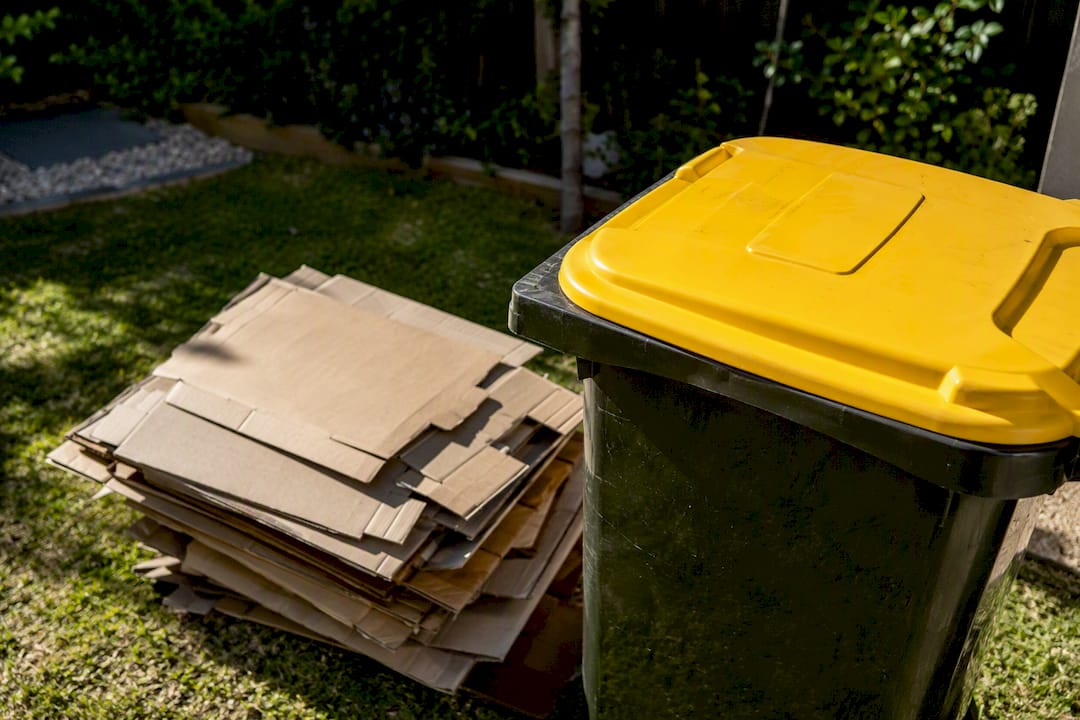
Small amounts of cardboard go straight in your yellow-lid recycling bin, flattened and dry. Bigger loads need a council drop-off centre, a free bulk booking, or a paid pickup once you’re past what one bin can handle. The City of Melbourne’s waste guide confirms free resident drop-off at Dynon Road, and councils like Glen Eira let households book free bulk cardboard collections a few times a year.
Right now, do this:
- Flatten every box and stack it dry, out of the weather.
- Check your council’s yellow-lid rules before you bin anything greasy or waxed.
- For free drop-off, head to a resident centre like Dynon Road.
- For a trailer load or a business clean-out, book a paid pickup instead of guessing.
Key Takeaways
Cardboard recycling in Melbourne works best when residents match their volume to the right channel: yellow-lid bin for small amounts, council drop-offs or free bulk bookings for medium loads, and a paid or private service for anything beyond that.
| Point | Details |
|---|---|
| Match volume to method | Small amounts go in the yellow-lid bin; bigger loads need a drop-off, free booking, or paid pickup. |
| Flatten before anything else | Flattening cuts bin volume by three to four times and prevents rejected loads. |
| Free drop-offs exist locally | Dynon Road and Darebin accept resident cardboard free, though general waste still incurs gate fees. |
| Businesses can’t use household bins | Commercial cardboard needs a licensed collector, skip bin, or approved CBD laneway hub. |
| A pickup beats a drive for many | Melbourne City Rubbish offers booked, carbon-neutral collection for mixed household and business loads. |
Table of Contents
- How much cardboard recycling Melbourne offers depends on your volume
- Where to take cardboard: a Melbourne shortlist
- How to prepare cardboard so it actually gets recycled
- What cardboard and packaging can’t be recycled
- Large volumes and business obligations
- Need a pickup instead of a drop-off?
- Frequently asked questions
- Sources
How much cardboard recycling Melbourne offers depends on your volume
The right move changes completely depending on whether you’ve got one flattened box or a ute tray full of it. Sort yourself into one of these four buckets first, then skip to the section that matches.
Small — a box or two, weekly household amounts. Flatten it, keep it dry, and put it in the yellow-lid bin. This covers most households most weeks.
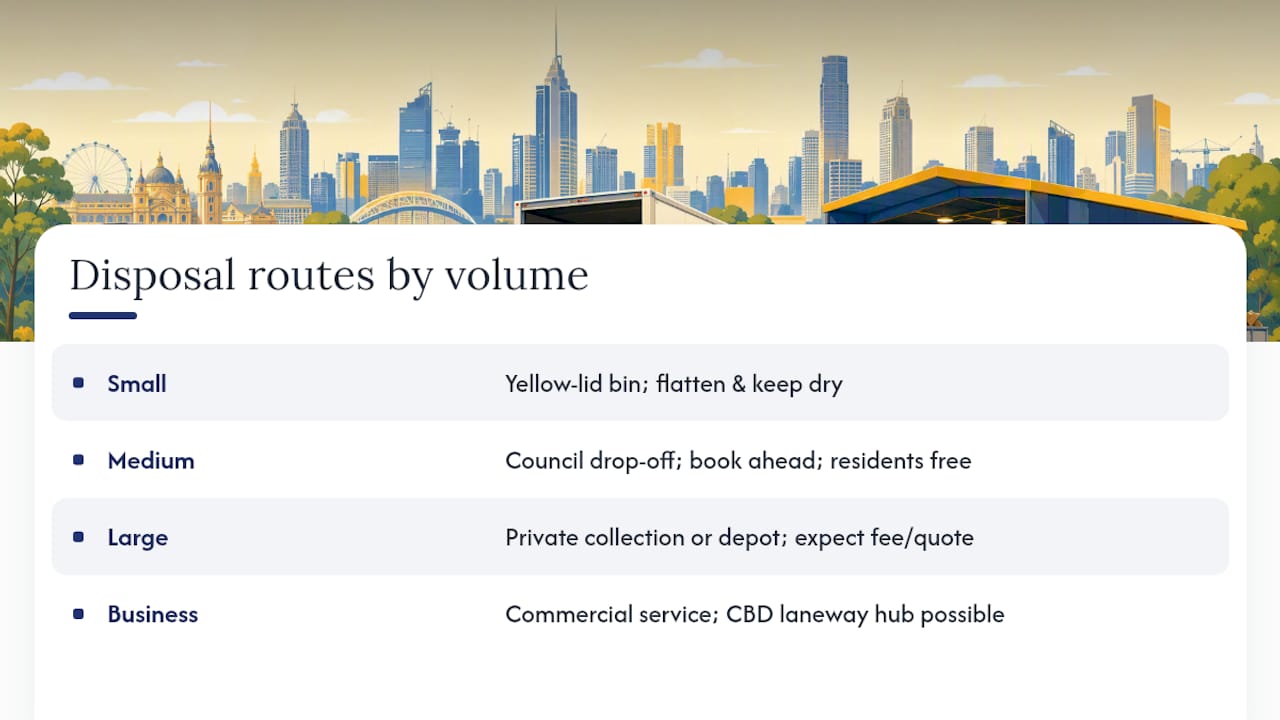
Medium — a car boot or a few dozen boxes. This is drop-off or free-booking territory. A council resource recovery centre or a booked bulk collection handles this without costing you anything, provided you’re a resident and you book ahead.
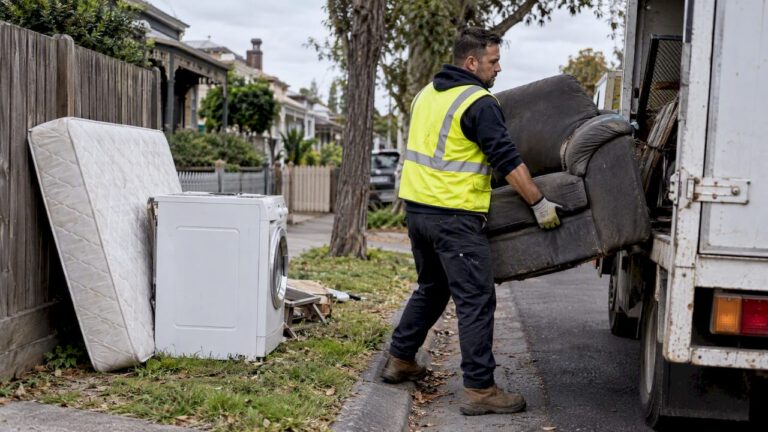
Large — trailer, ute, or trade-level volumes. Now you’re looking at a private collection or a commercial depot, and you should expect either a gate fee or a quote. Trying to squeeze this into a normal bin just gets it left on the kerb.
Business or commercial. If you’re a shop, café, or office generating cardboard waste regularly, residential bins aren’t a legal option for you. You need a commercial waste arrangement or, if you’re in the CBD, access to a council-approved laneway hub.
Where to take cardboard: a Melbourne shortlist
Here’s where residents and businesses actually go once the yellow-lid bin isn’t enough.
Dynon Road Waste and Recycling Centre (West Melbourne) takes paper and cardboard from Melbourne residents for free, provided you bring proof of address. It’s open 9am to 3pm, seven days a week, aside from public holidays. This is the go-to for a boot load or a small trailer if you live nearby.
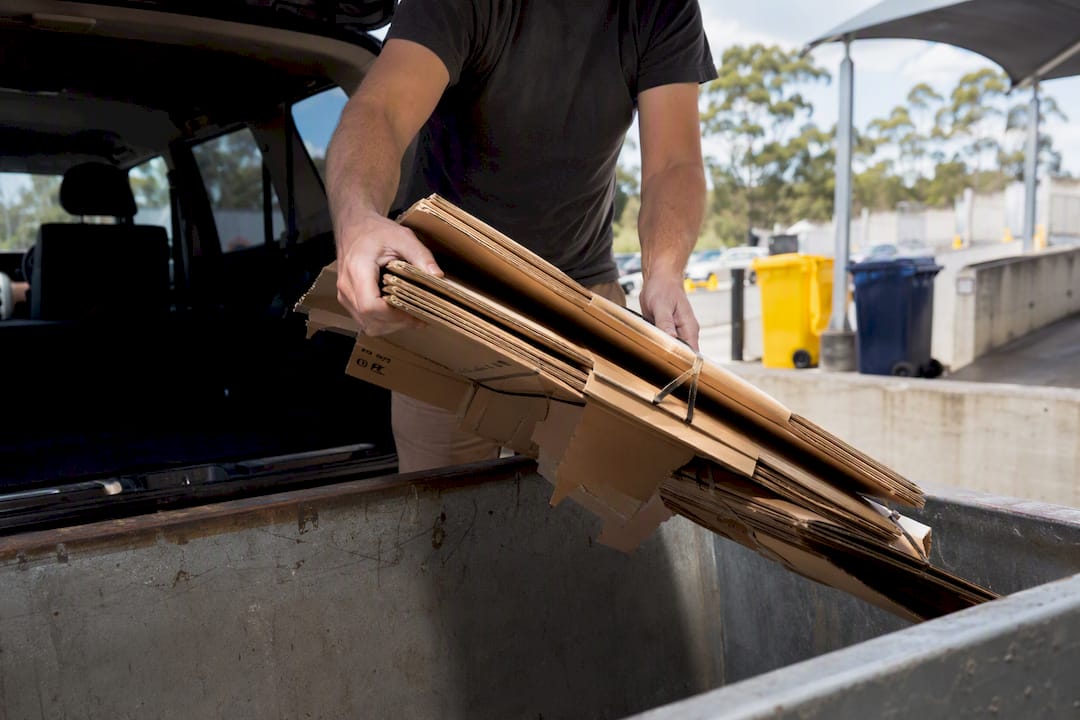
Darebin Resource Recovery Centre takes cardboard free for residents, but general waste gets charged at the gate. Expect roughly $30 for a half boot load of mixed waste, with itemised rates for things like tyres and e-waste. Worth a call ahead if you’re combining a cardboard drop with other junk.
Yarra Recycling Centre and Burnley Depot are resident-only drop-offs. Cardboard and household recyclables go in free, but the acceptance criteria are strict and some sites won’t let trucks or trailers through the gate at all. Check before you drive over with a big load.
CDS Vic Depot, South Melbourne (Return-It) is worth knowing about, but it’s not a cardboard recycler. It’s a container deposit scheme site where you get cash back on eligible bottles and cans through reverse vending machines. Handy if you’re clearing out recycling generally, useless for boxes.
CBD laneway recycling hubs exist specifically for eligible businesses in the city centre, and they’re free and accessible 24/7 once you’ve applied and been approved by council. Only clean, dry cardboard goes in. Dump the wrong material or overload the hub and access gets pulled fast.
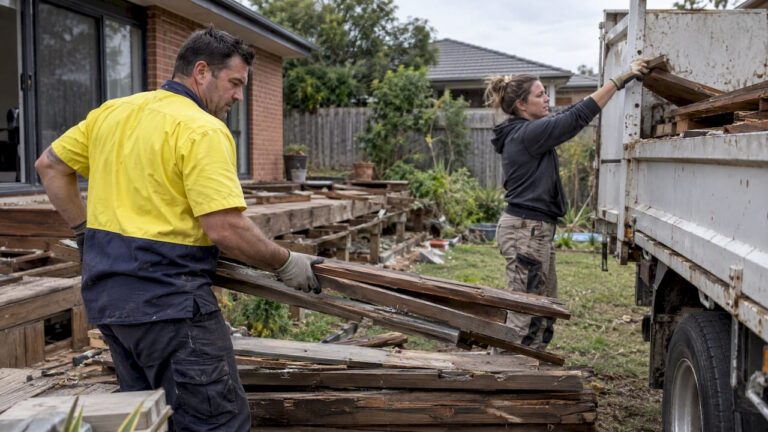
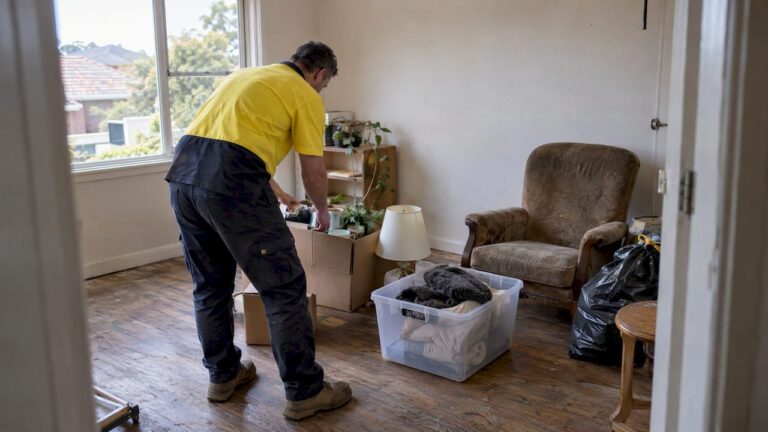
Melbourne City Rubbish covers the gap all of the above leave open: fast, booked pickups for households and businesses that don’t want to load a car and drive to a depot. It’s a genuinely useful option when you’ve got mixed waste alongside the cardboard, or you simply can’t get to a drop-off in operating hours.
How to prepare cardboard so it actually gets recycled
Preparation is where most rejected loads go wrong, and it takes about five minutes to get right.
- Flatten every box completely. Don’t just fold the flaps in.
- Pull out packing foam, bubble wrap, and any plastic still stuck to the inside.
- Bundle flattened pieces together and tie them if your council or drop-off requires it.
- Keep everything dry until collection or drop-off day. Wet cardboard is basically unusable.
Flattening isn’t just tidiness. Unflattened boxes eat up three to four times the space of a flattened one, which is exactly how bins overflow and collections get missed.
Pro Tip: Stack flattened bundles flat-side down in a neat pile rather than leaning them against a fence or wall. It makes inspection and pickup faster, and it stops wind from scattering loose sheets across the street before collection day.
What cardboard and packaging can’t be recycled
Contamination is the fastest way to get an entire load rejected, not just the offending piece. The City of Melbourne’s bin guidance is clear on what stays out of the yellow-lid bin and most drop-off centres:
- Waxed cardboard (think produce boxes) — the wax coating won’t break down in the pulping process.
- Greasy or food-stained pizza boxes — oil contaminates the paper fibres, so tear off and bin the clean lid, but the greasy base goes in general waste.
- Wet or mouldy cardboard — once it’s saturated, it can’t be processed and just clogs machinery.
- Polystyrene and soft plastics — these need separate soft-plastic collection points, not the cardboard stream.
- Bubble wrap still taped to boxes — strip it off first, or the whole box gets flagged as contaminated.
Large volumes and business obligations
If you’re a business owner, the responsibility for compliant waste collection sits with you, not the council. Relying on a residential bin for commercial cardboard volumes isn’t a legal option in Melbourne.
Your realistic choices are a private rubbish removal service, a commercial bin from a licensed collector, a skip bin for a one-off clean-out, or a council bulk booking if you’re a resident rather than a registered business. Costs vary depending on the route: gate fees at recovery centres run in the tens of dollars for smaller loads, paid collections are typically quoted per job, and some councils, like Glen Eira, let households book up to three free bulk cardboard collections a financial year.
Before you turn up anywhere with a trailer, check vehicle limits. Some sites cap loads at a car boot, others won’t take trailers or trucks at all. And whatever your volume, flattening still pays off: cutting cardboard down to size can shrink bin volume by three to four times, which means fewer trips and lower collection costs for anyone paying by volume or load. If you’re weighing up a skip bin against a booked collection, the right call usually comes down to how much sorting you’re prepared to do yourself. Builders and renovators dealing with mixed debris alongside cardboard should also look at managing renovation waste properly, since cardboard packaging often turns up buried in a strip-out load.
Need a pickup instead of a drop-off?
Not everyone has time to drive to Dynon Road or wait on a council booking window. If you’ve got a mixed load, a business clean-out, or just want cardboard gone without the trip, Melbourne City Rubbish books collections for both households and commercial sites, with carbon-neutral disposal available if that matters to you. It handles cardboard alongside whatever else is piling up, including office junk, packaging waste, and general clutter that a council drop-off won’t take in one visit.
Strata buildings juggling shared bin areas full of resident cardboard should also look at a managed strata rubbish removal setup rather than relying on individual tenants to sort it out. If you’re still weighing your options, compare the routes available before deciding whether a drop-off, a council booking, or a private pickup suits your situation. Ready to get it sorted? Request a quick quote and get a pickup scheduled without the drive.
Frequently asked questions
Where can I get free cardboard disposal in Melbourne?
Dynon Road Waste and Recycling Centre takes resident cardboard for free with proof of address, and several councils, including Glen Eira, offer free bulk cardboard bookings a few times a year.
Where can I take cardboard to recycle in Victoria?
Most councils run a resource recovery centre or recycling hub that accepts resident cardboard, such as Darebin, Yarra, and Dynon Road. Check acceptance rules and hours before you drive over.
How do I get rid of large pieces of cardboard?
Flatten large sheets and boxes completely, then either drop them at a council centre with trailer access or book a private pickup if the pieces are too bulky for your own vehicle.
What should I do if I have a lot of cardboard?
For anything beyond a car boot, book a council bulk collection if you’re eligible, or arrange a private service. Businesses generating regular cardboard waste need a licensed commercial collector, not a residential bin.
Sources
- A–Z waste and recycling guide (City of Melbourne)
- Darebin Resource Recovery Centre
- Recycling drop-off point (Yarra City Council)
- Bulk cardboard collection (Glen Eira City Council)
- Return‑It (CDS Vic depot)