Council hard-rubbish collection is usually the better pick for small, eligible household loads, because the out-of-pocket cost is low. Private pickup usually wins for renovation waste, commercial loads, oversized piles or anything urgent, since councils exclude or delay those jobs. Check your council’s rules first, and request a private quote if your address or items don’t qualify.
TL;DR:
- Council entitlement depends on kerbside service; apartments with private bin arrangements and commercial properties are commonly excluded, while allocations vary by council.
- Published council limits range from 2 m³ to 4 m³, with extra collections sometimes charged; weight and length caps can also disqualify items.
- Council bookings can take weeks, while private services may attend within days; compare delay costs such as storage, labor, or project disruption.
- For private pickup, get written terms covering the disposal destination, surcharges, inside removal, and rejected items, and keep proof of lawful disposal.
- Excluded waste left on a nature strip may be unlawful dumping; some councils require its removal within 24 hours, so check local rules first.
Table of Contents
- Which option is quicker, cheaper and more flexible?
- How do council hard-rubbish collections work?
- When is private pickup the sensible choice?
- What do the two routes really cost, and how long do they take?
- What are you legally responsible for, and what should you ask a private collector?
- How do you decide between council and private pickup?
- How can we help with private pickup?
- FAQ
- Sources
Which option is quicker, cheaper and more flexible?
Here is the side-by-side view before we dig into the detail:
- Cost shape: council collections are funded through rates, while private pickup is paid per job or volume.
- Waiting time: council bookings are often measured in weeks, and private services can often attend within days.
- Eligibility: council service is for residential properties on the kerbside service. Commercial premises and properties with private bin contracts are commonly excluded.
- Size limits: published council examples range from 2 m³ to 4 m³ per collection.
- Accepted items: councils take defined household items, and private collectors set their own acceptance rules.
Confirm your council’s allocation before assuming a collection is free. Entitlements differ from one council to the next.
How do council hard-rubbish collections work?
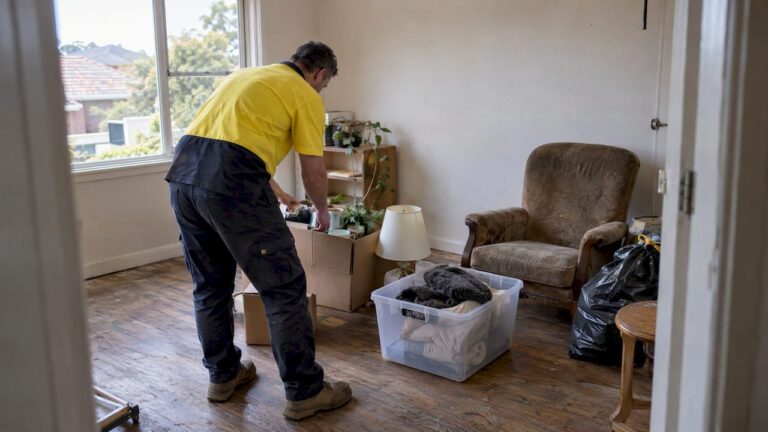
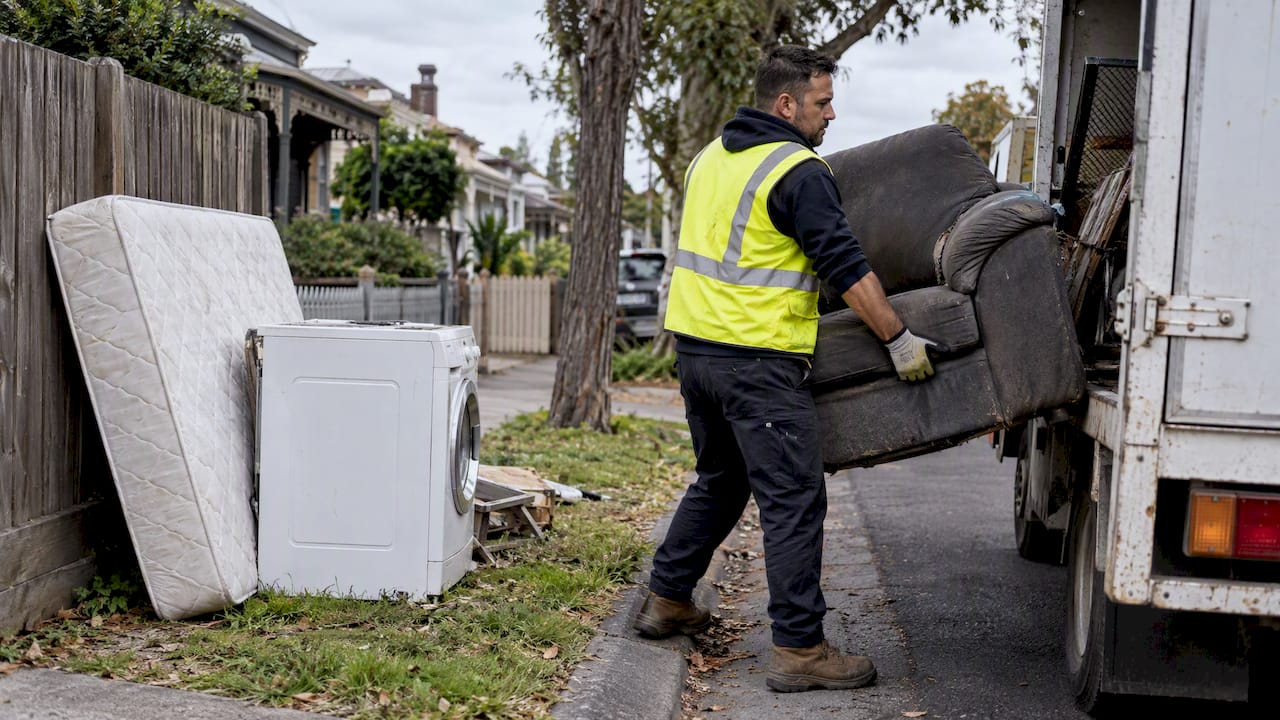
Council hard rubbish is built for ordinary household items such as furniture, mattresses and whitegoods. Eligibility usually depends on paying for the kerbside waste service. Many councils leave out commercial properties and apartments with private waste arrangements. Moonee Valley gives residential properties two free collections a year in some cases, while private-bin properties are ineligible.
Limits matter just as much. Some councils cap a pile at two cubic metres, and Cardinia charges $100 for each of up to two additional collections. Item size counts too: Yarra excludes items over 50 kg, and other councils set length limits around 1.5 m.
Timing and stacking rules are enforced. Frankston’s brochure asks residents to place items no earlier than two days before collection week and to stack them correctly, with penalties for excess or badly presented waste.
When is private pickup the sensible choice?
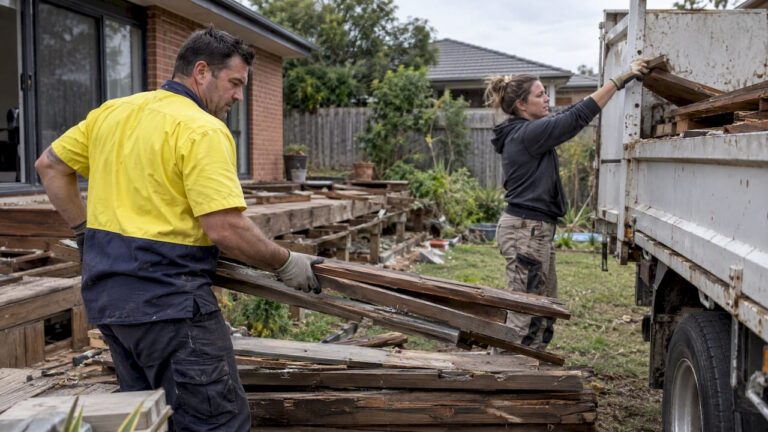
Private pickup makes sense when the council service can’t take your load, can’t reach your address or can’t move fast enough. Renovation rubble, concrete, soil and commercial waste are the usual council exclusions, and a private collector can take them subject to its own acceptance rules. Councils themselves point residents to private contractors when an earlier pickup is needed.
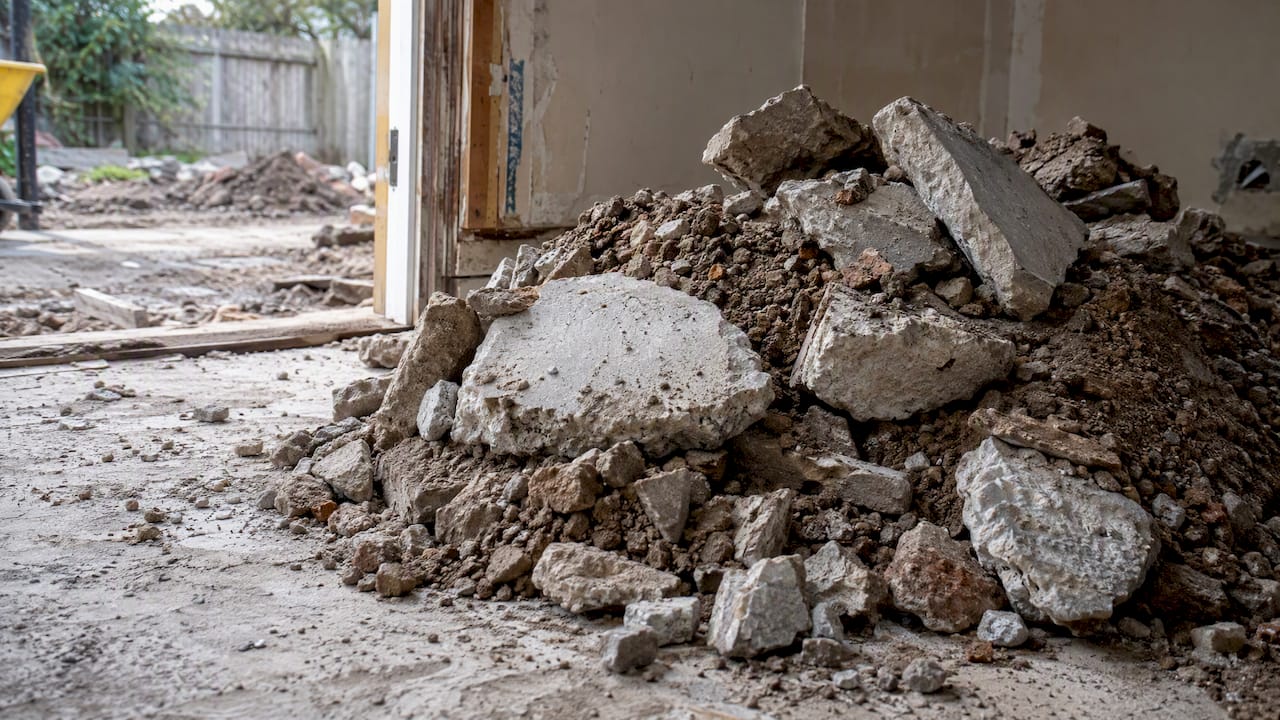
It also suits oversized items, tight project schedules and properties outside the council service. Removal from inside the property can be included, but only if it is quoted. If you are clearing a renovation site, this renovation cleanup checklist helps you sort materials before anyone arrives.
Whoever you choose, get the scope and timing in writing. A quote should say what is being removed, from where, and when.
What do the two routes really cost, and how long do they take?
A council collection costs little in cash, usually nothing beyond rates, but it is limited by quantity and scheduling. Extra paid collections can apply once you exceed your allocation. The hidden cost is time: if a booking arrives weeks away, you may pay in storage, labour or a delayed project.
Private pickup is paid per job or by volume, and published ranges vary widely. That is why an itemised written quote matters. It should show the disposal destination and any surcharges, such as extra fees for heavy material or access difficulty.
A free booking that can’t take your rubble, exceeds the size limit or arrives in several weeks may cost more overall than a paid pickup. Weigh the direct price against what a delay does to your project.
What are you legally responsible for, and what should you ask a private collector?
In Victoria, leaving waste on a nature strip outside council rules can amount to unlawful dumping. EPA Victoria explains that unlawful deposit offences cover litter, dangerous litter and larger volumes of waste. Using an unauthorised transporter can also leave you exposed. Ask every private collector for the following in writing:
- Where the waste will be taken
- Their transporter authorisation or permits
- How they handle items rejected at the disposal site
- Proof of lawful disposal after the job
Photograph the pile before it goes, and keep your booking confirmations. Don’t leave excluded items on the nature strip while you wait. Some councils expect non-compliant material to be removed within 24 hours.
Pro Tip: Sort your pile into council-acceptable items and excluded items before booking anything. You may only need a private collector for part of the load.
How do you decide between council and private pickup?
- Confirm your eligibility with your council and check its permitted items and limits.
- Measure your volume and compare it with the council limit, with 2 m³ a common example.
- Identify excluded items such as rubble, asbestos or heavy concrete, and plan on private pickup if you have any.
- Get at least one written private quote that states the destination, any surcharges and whether removal from inside the property is included.
- Compare the total cost, including storage and delay, then book the option that meets your timing and legal requirements.
How can we help with private pickup?
If your load falls outside council rules, we can discuss private pickup options. We offer full-service rubbish removal across Melbourne for residential and commercial clients, from bulky household clear-outs to construction waste and furniture disposal and recycling. We offer disposal options to suit your needs. You can request a quote before booking.
To get started, use our quick quote page. We confirm the scope, timing and disposal destination in writing before we book you in.
FAQ
Is it illegal to pick up hard rubbish?
Rules differ by council, and some require residents to leave booked hard rubbish for the council’s own collectors. Taking items from a nature strip may breach local rules, so check your council’s guidance first.
What are the different types of waste management systems in Australia?
Australia uses kerbside garbage, dry recycling, organics, hard-waste collections, transfer stations, resource recovery and landfill. National reporting shows local governments collected about 9.9 million tonnes through kerbside services in 2022–23.
What happens if I leave excluded items out for council collection?
They may be left behind, and the pile could count as unlawful dumping. Frankston’s brochure gives fines starting at $200 for relevant breaches.
Can businesses use council hard rubbish?
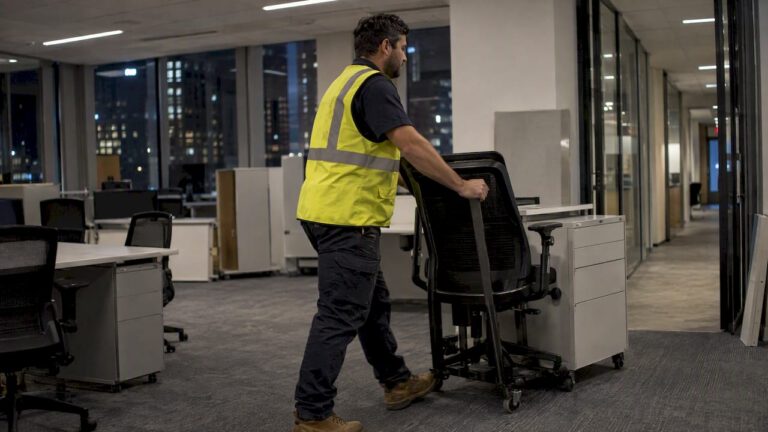
Usually not. Businesses are typically directed to private waste services or transfer stations. Our commercial office rubbish removal covers those jobs.
Sources
- What goes in your hard waste | City of Monash
- Book a hard rubbish collection | Yarra City Council
- Epa