The lawful, fastest way to dispose of a commercial fridge in Melbourne is to book a licensed private removal or recycling service that will degas the unit and issue a certificate of destruction or recycling. Engage an ARC/RTA licensed contractor, keep their licence number on file, and retain the paperwork as proof you met your disposal obligations. We provide a quick quote and disposal options for businesses that need this handled properly.
TL;DR:
- Businesses cannot rely on City of Melbourne hard waste collection; a self arranged drop off requires safe transport and degassing before delivery.
- Victoria bans landfill disposal of whitegoods, and unlawful refrigerant release can trigger federal penalties of up to $660,000 per offence.
- A written quote should specify whether degassing is included, the destination facility, and access needs; size, stairs, tight doorways, and grouped pickups can change the price.
- Keep the contractor’s licence number, invoice, collection docket, and destruction or recycling certificate; photos of the fridge and loading path can help resolve access disputes.
Table of Contents
- Local disposal options in Melbourne: private removers, transfer stations and recyclers
- Step-by-step checklist to arrange compliant removal
- Costs and price drivers for commercial fridge removal in Melbourne
- Legal and environmental requirements in Victoria
- How we manage commercial fridge disposal for Melbourne businesses
- FAQ
- Sources
Local disposal options in Melbourne: private removers, transfer stations and recyclers
Most Melbourne businesses have three realistic routes for an old commercial fridge, and the right one depends on scale, access and how quickly you need the unit gone.
- Private licensed removal and recycling contractors collect directly from your site, coordinate refrigerant recovery, and transfer the unit to an authorised recycling facility on your behalf.
- Authorised transfer stations and resource recovery centres accept whitegoods for drop-off if you have a vehicle and crew capable of transporting the unit safely.
- Scrap metal dealers and whitegoods recyclers take decommissioned units for metal recovery, though suitability and paperwork practices vary by facility.
- Council hard waste collections rarely apply to commercial fridges generated by a business, since City of Melbourne guidance makes clear that businesses must arrange their own private collection for bulky waste.
For a single bench fridge with easy loading dock access, a drop-off at a local recycler can work if someone on your team can handle the transport and the degassing has already been arranged. For most commercial kitchens, cafés and offices, though, a licensed contractor who collects on-site removes the guesswork around transport, lifting and refrigerant handling in one booking.
Hospitality operators juggling multiple pieces of kitchen equipment at once often find it useful to track what is being replaced and what is being disposed of alongside stock levels, which is where a tool like PantryHub for inventory management can keep the whole changeover organised.
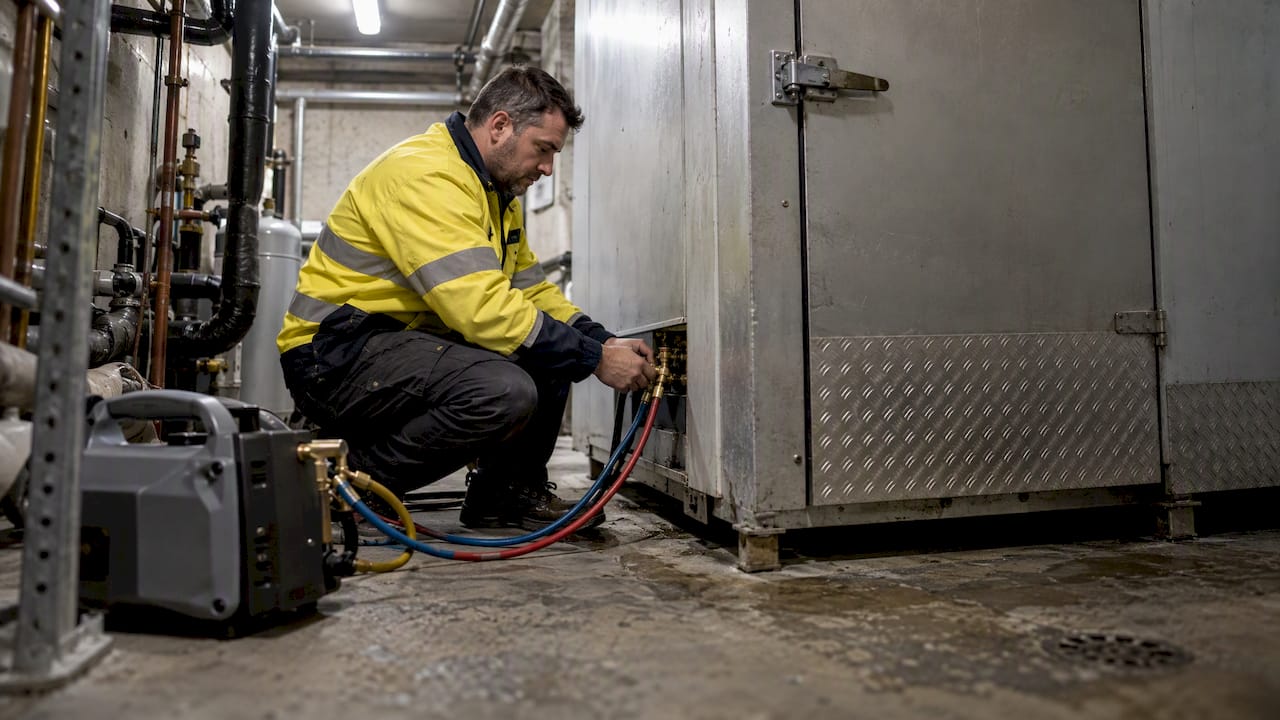
Whichever route you choose, the fridge still needs to be degassed by someone holding the right licence before it reaches a shredder or a recycling line. That requirement does not disappear just because you dropped the unit off yourself rather than having it collected.
Step-by-step checklist to arrange compliant removal
Booking removal is straightforward once you know what to check and what to ask for. Here is the sequence that keeps you compliant and your paperwork audit-ready.
- Verify the contractor’s licence. Ask for their ARC/RTA licence number and confirm it matches the technician attending on collection day.
- Agree the scope in writing. Confirm price, access requirements, whether degassing is included, and the name of the destination recycling facility.
- Prepare the unit. Empty out food and liquids, defrost fully, and remove loose shelves or locks if the contractor asks, since this can reduce handling time and fees.
- Collect your paperwork. Get an invoice, a certificate of destruction or recycling, and the name of the authorised receiver or facility, as recommended by City of Melbourne business waste guidance.
- Flag access issues early. If the fridge is on an upper floor or behind tight doorways, tell the contractor before the job so they can bring the right crew, a tail-lift, or specialist plant such as a Moffett.
Pro Tip: Photograph the fridge, its data plate, and the loading path before the job, and keep those photos with your invoice and certificate. They settle any dispute about condition or access fast.
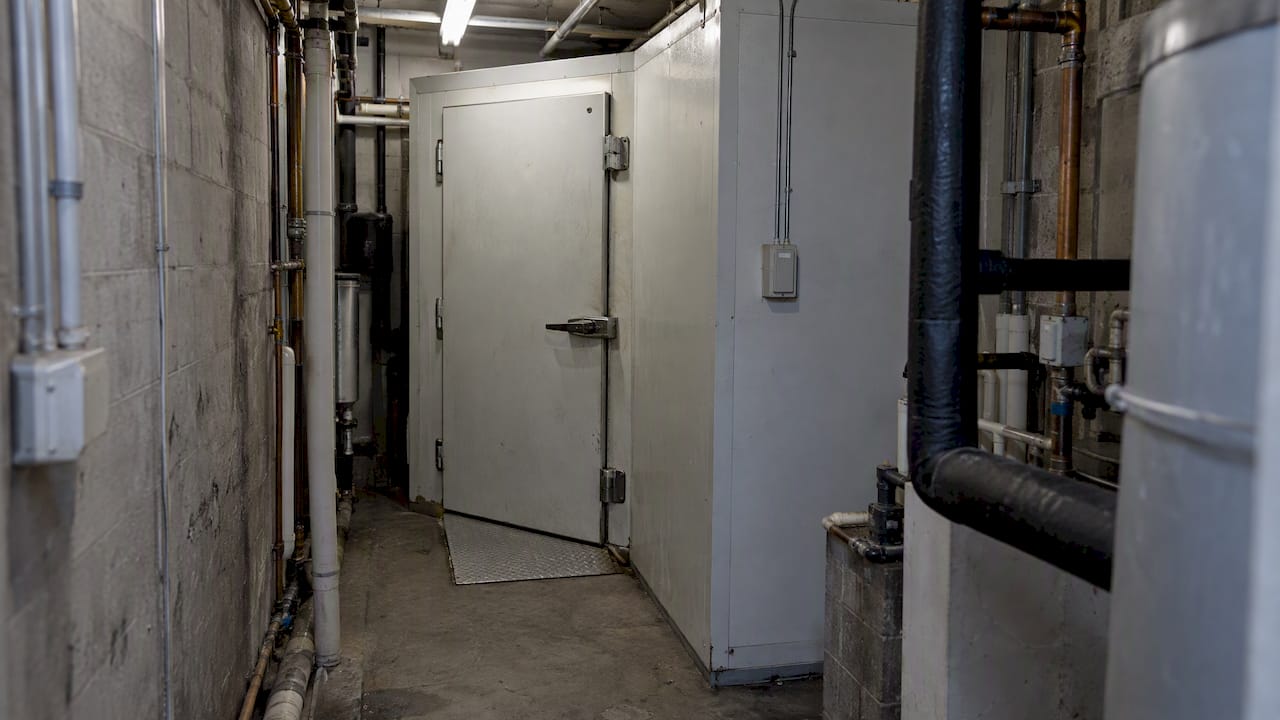
Large walk-in coolers and units wedged into basement plant rooms are the jobs most likely to need extra equipment, so mention these details when you request a quote rather than on the day. A contractor who asks about access, refrigerant type and site hours upfront is usually the one who will not surprise you with an additional charge once they arrive.
Keep every document together, ideally in a single folder tied to the job date. If EPA Victoria or another regulator ever asks how a particular unit was disposed of, that folder is what answers the question.
Costs and price drivers for commercial fridge removal in Melbourne
Quotes for commercial fridge removal in Melbourne vary mainly on four factors: size and weight, site access, whether licensed degassing is bundled into the job, and the distance to an authorised recycling facility. A small bar fridge tucked near a loading dock costs far less to shift than a walk-in cooler down two flights of stairs.
- Small bench or under-counter units are generally the cheapest to remove, since one person can usually carry them.
- Upright display cabinets and glass-door fridges cost more due to their size, weight and the care needed to avoid damage.
- Large walk-in coolers and commercial freezers sit at the top of the range because of the rigging, extra crew and transport required.
These are representative bands based on typical job complexity, not guaranteed prices for any specific unit. One figure worth planning around: refrigerant release penalties can run up to $660,000 per offence under federal law, which is why a quote that properly includes licensed degassing is worth more than the cheapest number on paper.
You can usually bring costs down by doing your own prep, emptying and defrosting the unit, grouping several items into one collection, or scheduling the job for a quieter time slot when a contractor has spare truck space.
Legal and environmental requirements in Victoria
Disposing of a commercial fridge in Victoria is not just a logistics task. Two separate legal requirements apply, and both need to be satisfied before the unit leaves your premises for good.
- Refrigerant recovery is mandatory. Only an ARC/RTA licensed technician may handle the recovery, and the ARCTick codes of practice set out how scheduled refrigerants must be recovered before a unit is recycled.
- Landfill disposal is banned. Victoria’s e-waste ban covers whitegoods, so a commercial fridge must go to an authorised recycling facility, never to general landfill.
- Penalties for non-compliance are steep. Unlawful refrigerant release carries fines that make it far cheaper to pay a licensed contractor properly the first time.
- Recordkeeping is your evidence of due diligence. Keep the contractor’s name, ABN, licence number, collection docket, invoice and certificate of destruction or recycling, which is the single factor most likely to matter in an EPA audit.
You can confirm a contractor’s credentials directly, and you can check nearby authorised transfer stations such as Bolinda Road Resource Recovery Centre or recyclers like Southern Cross Metal Recyclers if you plan to drop a unit off yourself rather than book a collection.
How we manage commercial fridge disposal for Melbourne businesses
We remove the licensing and paperwork burden from your plate by coordinating the whole job, from pickup through to certified disposal. A quick quote gets you same-day or next-day pickup where it is feasible, and we handle on-site removal while coordinating with licensed technicians for refrigerant recovery.
- Disposal paperwork is provided to keep on file, including proof of where the unit ended up.
- Carbon-neutral disposal is offered as an option for businesses that want their waste handled with a lighter footprint.
- We aim to beat competitor quotes to offer competitive pricing.
If your fridge disposal is part of a bigger clear-out, our commercial office rubbish removal and e-waste collection services cover the rest of the job in one booking. Request your quick quote today and get a licensed, documented removal on the books.
FAQ
How do you dispose of commercial fridges?
Engage a licensed contractor to recover the refrigerant and transfer the unit to an authorised recycling facility, since landfill disposal is banned in Victoria. Keep the licence number, invoice and certificate of destruction or recycling for your records.
What is the best way to get rid of an old refrigerator?
Booking a private contractor who handles collection, licensed degassing and transport to a recycler in one job is the most reliable route for most businesses. It avoids the access and lifting problems that come with doing it yourself.
How to get rid of a fridge in Melbourne?
Book a licensed removal service for on-site pickup, or drop the unit off at an authorised transfer station or recycler if you can transport it safely yourself. City of Melbourne guidance confirms that businesses need to arrange their own private collection rather than relying on council pickup.
How much does it cost to remove a fridge?
Cost depends on the fridge’s size, site access and whether licensed degassing is included in the job, so a small bench unit costs noticeably less than a large walk-in cooler. Ask for a written quote that specifies what is covered before you book.
Sources
- Refrigerant handling licence — ABLS / Australian government
- Victoria e‑waste ban — Victorian Government
- Other business waste services | City of Melbourne
- Refrigerant handling codes of practice 2024 (ARCTick)