Confirm your collection date or removal booking first, then sort everything by category before you touch a single bin bag. Separate high-risk items like asbestos, batteries and e-waste from general rubbish immediately, because these can’t go into standard collections. If you’d rather skip the sorting and staging altogether, we handle compliant, low-hassle removal across bulk rubbish, construction debris and e-waste. Either way, get the booking locked in before you start moving anything.
TL;DR:
- Most councils allow one cubic metre of hard waste per financial year; book ahead and place items only within the approved collection window.
- Victoria bans electronic waste from landfill, and crushed batteries can start fires; erase personal data, then use dedicated drop off points or certified collectors.
- Asbestos containing materials must never enter household bins or hard waste piles; licensed removal is required, and owners should retain proof of lawful disposal.
- Council crews generally will not enter private property, while private removalists need advance notice of stairs, lift bookings, parking limits, and truck access.
Table of Contents
- Quick preparation checklist: bookings, access, sorting, staging and photos
- How to prepare each common category of rubbish so it’s accepted and handled safely
- Timing and placement: council hard waste rules vs private removalist expectations
- Safety and compliance: asbestos, hazardous liquids, sharps and your legal duties
- Actions for property managers and multi-unit buildings: booking, communications and records
- Donate, recycle and reuse first: lower-cost and lower-impact alternatives before removal
- Book Melbourne City Rubbish for compliant, low-hassle removal
- FAQ
- Sources
Quick preparation checklist: bookings, access, sorting, staging and photos
Once your collection date or removal booking is confirmed, the next 24 to 72 hours matter most. Clear access paths, sort materials and stage everything where it needs to be, and you’ll avoid the most common reason jobs run over time or get rejected at the kerb.
Start with documentation. If you’ve booked a council hard waste collection, keep the confirmation number and any written rules handy. If a private removalist is coming, have your quote and any special instructions ready to show the crew.
- Confirm your booking reference and collection window before the day arrives.
- Clear a safe, unobstructed path from the items to the kerbside, service lift or loading bay.
- Sort into donate or sell, recycle, green waste, whitegoods, e-waste, hazardous or asbestos, and construction debris.
- Photograph bulky or heavy items for inventory purposes or to support a removal quote.
- Wrap fragile or glass items separately and label them clearly.
- Remove fridge doors and drain any fluids from appliances before they’re staged.
Pro Tip: Stage items in the order they’ll be loaded, heaviest and bulkiest first, so the removal crew isn’t working around obstacles.
How to prepare each common category of rubbish so it’s accepted and handled safely
Different waste streams have different rules, and getting this wrong is the single biggest reason items get left behind or landfilled when they could have been recycled or donated.
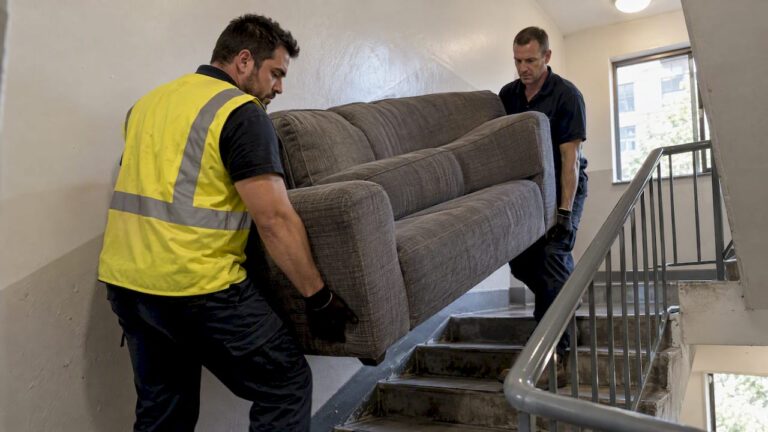
- Furniture: Disassemble bulky pieces where possible, donate anything still usable, and wrap sharp edges or protruding hardware before staging. Book a bulky-item pickup or use furniture disposal and recycling services when pieces are too large to move safely alone.
- Mattresses: Check whether your council accepts mattresses in a standard hard waste collection, since many don’t. Arrange specialist mattress recycling or private collection instead, and wrap or bundle the mattress to protect handlers from exposed springs or soiling.
- Whitegoods and appliances: Drain any fluids, remove doors on fridges and freezers, and note which units contain refrigerants, since these sometimes need a certified handler rather than standard collection.
- E-waste and batteries: Treat every device as though it contains a battery. Remove personal data from phones, laptops and tablets before disposal, and use dedicated e-waste drop-off points or certified collectors. Never stage electronics in a general rubbish pile, since Victoria bans e-waste from landfill and batteries pose a genuine fire risk when crushed or compacted.
- Garden and green waste: Keep loose where your council requires it rather than bagging it, check FOGO or green waste caps before you cut back a whole garden, and compost small clean loads where practical. Our garden waste removal service handles larger volumes that exceed council limits.
- Construction debris: Segregate anything hazardous from general building waste, never mix asbestos or chemical residue into a standard skip or hard waste pile, and keep disposal receipts as proof the load went to a lawful facility.
One cubic metre is the standard free hard waste allowance most councils grant each financial year, and anything beyond that typically needs a paid booking or private removal.
Timing and placement: council hard waste rules vs private removalist expectations
Council and private removal have different expectations, and mixing them up causes missed collections or wasted callouts.
Most councils, including the City of Melbourne, require a booking before you place anything at the kerb, enforce a cubic metre limit per financial year for ratepayers, and specify that items can’t go out earlier than the day before collection. Breaking these rules risks your rubbish being left uncollected.
- Book your hard waste collection in advance and confirm the exact kerbside placement window.
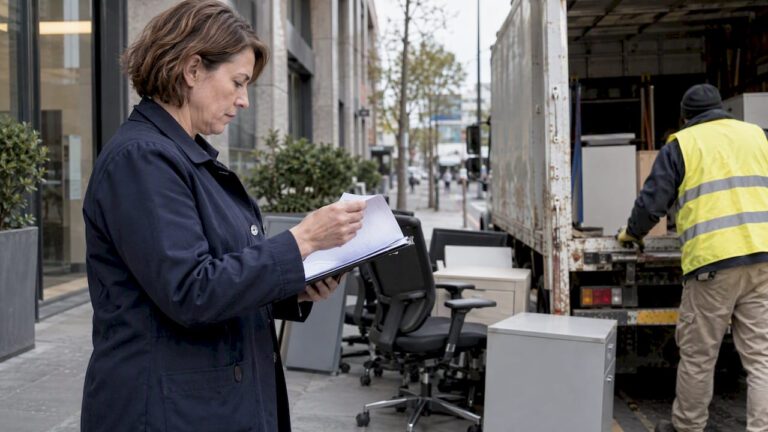
- Tell a private removalist about stairs, lifts, parking restrictions and truck access before the job is booked.
- Stage items for a private crew at least a day ahead so loading isn’t delayed on arrival.
- In high-rise or multi-unit buildings, work with building management to nominate a collection point and book service lifts or loading bays in advance.
Council vehicles generally won’t enter private property, so anything not staged at the designated point simply won’t get picked up.
Safety and compliance: asbestos, hazardous liquids, sharps and your legal duties
Some materials can never go into a general collection, no matter how convenient it seems.
- Asbestos containing materials must never be placed in household bins or hard waste piles. Licensed removal is required, and placing ACM in a general collection breaches WorkSafe Victoria’s compliance code.
- Hazardous liquids and chemicals need an authorised chemical waste service, not a standard hard waste booking.
- Sharps and medical waste require proper containment and disposal through dedicated channels, never a kerbside bag.
- Ask for proof of lawful disposal, such as a transfer note or waste tracker receipt, whenever you hire a contractor for asbestos or chemical waste.
Property owners carry the responsibility for how their waste is handled even when a contractor does the physical removal.
Pro Tip: Keep every disposal receipt and transfer note for at least a few years. If a dispute or audit arises, that paperwork is what protects you.
Actions for property managers and multi-unit buildings: booking, communications and records
Coordinating rubbish removal across a shared building takes more structure than a single household clean-out.
- Nominate one point of contact to manage bookings and record collection windows centrally.
- Send residents a staging checklist with deadlines, a clear list of unacceptable items and a contact for queries.
- Book service lifts and loading bays ahead of the collection date, and confirm contractor induction requirements with the building.
- Keep receipts and transfer notes on file, stored somewhere accessible for audits or dispute resolution.
This structure matters most when several units are booking removals at once, since uncoordinated staging quickly blocks lifts and loading areas for everyone else.
Donate, recycle and reuse first: lower-cost and lower-impact alternatives before removal
Disposal is the last step in the waste hierarchy, not the first. Avoidance, reuse and recycling all come before sending anything to landfill, and following that order usually costs less too.
- Check furniture and appliances are safe and functional before listing them for donation or resale.
- Use local charity drop-off points or online marketplaces for anything still in working order.
- Find e-waste drop-off points and battery recycling options before bagging electronics with general rubbish.
- Separate green waste for council collection or home composting rather than mixing it into landfill bound bags.
Clean separation at this stage is also what determines whether items actually get recovered rather than landfilled further down the line.
Book Melbourne City Rubbish for compliant, low-hassle removal
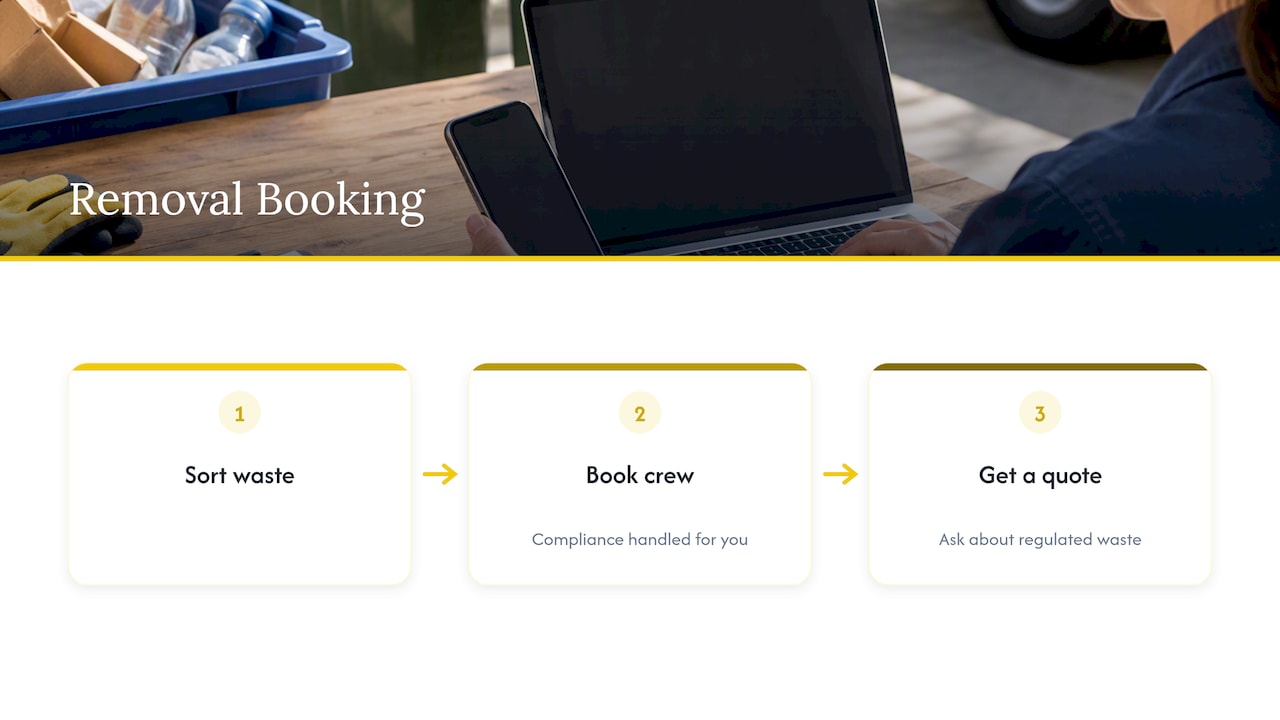
Once everything’s sorted, booking a crew that handles the compliance side for you saves the back and forth of council bookings, drop-off points and disposal receipts. We cover general bulk rubbish removal, office cleanouts, construction waste and furniture disposal and recycling, with carbon-neutral disposal available for clients who want it.
Get a quick quote for rubbish removal and ask us about handling regulated waste streams as part of your job.
FAQ
How do I prepare for junk removal?
Sort items into categories such as donate, recycle, e-waste, hazardous and general rubbish before the crew arrives, and clear a safe access path to where the items are staged. Confirm your booking window in advance and have fridges or freezers emptied and with doors removed where required.
How do I get rid of a large amount of rubbish?
Book a council hard waste collection if your volume fits within the standard one cubic metre allowance, or arrange a private removalist for larger loads or tighter timeframes. Sorting materials by category first, recyclables, green waste, e-waste and general rubbish, makes any collection faster and increases the chance items are recovered rather than landfilled.
What’s the typical cost of rubbish removal?
Pricing depends on the volume, access and type of waste involved, so we provide a written quote for each job rather than a flat rate. We also guarantee to beat any competitor’s written quote by 5%, which you can check through our quick quote page.
What are the main steps of waste management?
The accepted order is avoidance, reuse, recycling, recovery, treatment and disposal, known as the waste hierarchy. Disposal to landfill sits at the bottom of that list and should be the last option after donation, resale and recycling have been ruled out.
Can I put asbestos in a hard waste collection?
No. Asbestos containing materials must never go into household bins or hard waste piles, and removal requires a licensed contractor under WorkSafe Victoria’s compliance code. Always request proof of lawful disposal when hiring someone for asbestos removal.
Sources
For primary rules on bookings, hazardous waste and e-waste handling, check council hard waste pages, Victoria’s Environment Protection Act, WorkSafe’s asbestos compliance code and Sustainability Victoria’s e-waste guidance.
- Environment Protection Act 2017 – Victoria
- Hard waste – City of Melbourne
- Removing asbestos in workplaces compliance code – WorkSafe Victoria
- E-waste – Sustainability Victoria