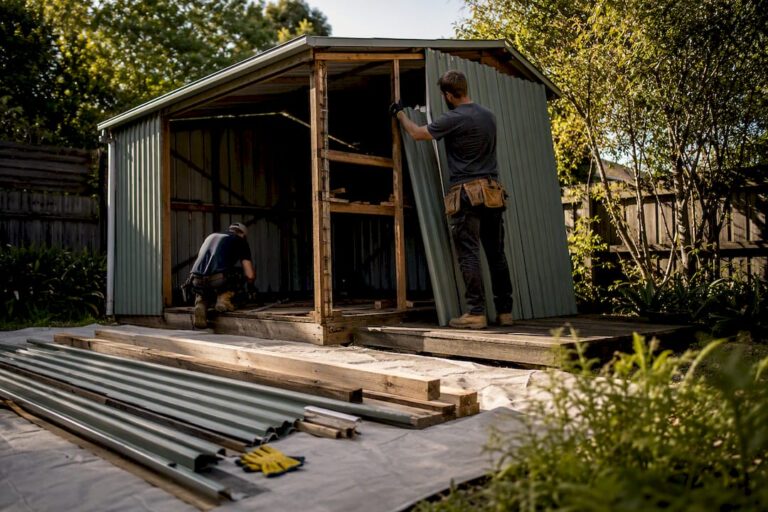
A construction cleanup checklist is the short list of actions site teams must complete so construction waste is segregated, transported to a lawful receival site and documented. In practice, that means three moves matter most: sort clean waste streams from the start, confirm no asbestos is present or bring in a licensed removalist, and get written confirmation of where every load ends up. A supplier can carry out that removal directly.
TL;DR:
- Proper site preparation, including marking exclusion zones and planning truck access, is essential to ensure streamlined waste collection and safety.
- Segregating waste streams from the start improves recovery rates and reduces disposal costs, especially for metals, concrete, and Untreated timber.
- Suspect asbestos must be handled exclusively by licensed removalists with proper containment, labeling, and clearance certification before re-occupying the area.
- Verifying that transporters hold valid credentials and confirming the actual destination facility in writing minimizes the risk of illegal dumping or unintended disposal at unpermitted sites.
- Maintaining detailed records such as weighbridge dockets, clearance certificates, and a waste movement log ensures lawful disposal and compliance with local regulations.
Table of Contents
- 1. Get the site ready before removal starts
- 2. Sort waste into the right streams from day one
- 3. Know when asbestos or other hazards need a specialist
- 4. Check the transporter and confirm where waste actually goes
- 5. Keep the records that prove lawful disposal
- 6. Where segregated waste actually gets recovered
- 7. The step-by-step checklist for cleanup day
- 8. How local rules and permits shape the process
- 9. Keeping the crew and site management on the same page
- 10. Getting a supplier to run the checklist for you
- Sources
- FAQ
1. Get the site ready before removal starts
Cleanup runs faster and safer when the groundwork is done before anyone touches a skip bin. Secure the site perimeter, mark exclusion zones around active work and demolition areas, and put up signage that tells crews and visitors where they can and cannot walk. Truck access needs planning too: work out loading points, turning space and which gates stay open during collection.
Before waste handling begins, check that utilities are disconnected where required and that walking routes avoid live services and unstable structures. Set aside dedicated waste zones and stockpile areas well clear of stormwater drains, and appoint one person as the project’s waste manager so decisions and contact details don’t get lost between subcontractors.
- Mark exclusion zones and post signage at every entry point.
- Confirm truck access, loading bays and turning circles in advance.
- Disconnect relevant utilities and flag safe walking routes for crew.
- Position waste zones away from drains and pedestrian paths.
- Name one waste manager with a single point of contact for the project.
Pro Tip: Walk the site with the waste manager before the truck arrives. A five-minute check catches blocked access and missing signage that would otherwise stall the whole crew.
2. Sort waste into the right streams from day one
Segregation is where most of the cost and recovery outcome gets decided. Standard streams on a construction site include clean concrete and masonry, timber, metals, plasterboard, glass, green waste, cardboard and general non-recyclable material. Keep each stream in its own labelled skip or bin rather than letting loads mix, because mixed loads are harder to recover and typically attract higher disposal fees than clean, separated waste.
EPA Victoria’s construction and demolition guide recommends storing masonry and solid waste in designated stockpiles kept clear of drains, with materials segregated by type wherever practical and reuse or recycling preferred over landfill.
- Label every skip or bin by material type before the first load goes in.
- Keep stockpiles away from stormwater drains and set a maximum pile height.
- Cover stockpiles that are exposed to weather or dust risk.
- Flag any area with visible contamination or mixed debris for specialist handling rather than general disposal.
3. Know when asbestos or other hazards need a specialist
Treat any suspect material as asbestos until it has been assessed. That single rule prevents most of the serious mistakes made on older builds and renovations. Under SafeWork NSW’s asbestos guidance, licensed removal is required in almost all circumstances once asbestos is suspected, and an independent clearance assessment is required after removal when relevant thresholds are met.
Roughly: suspected asbestos triggers licensed removal in almost all circumstances, with independent clearance required afterward when thresholds apply. That single guidance point should shape how a crew responds the moment suspect material turns up.
The practical sequence when asbestos is suspected:
- Stop work in the affected area and restrict access immediately.
- Do not disturb, cut, drill or sweep the material.
- Engage a licensed asbestos removalist rather than handling it with general crew.
- Contain, double-bag and label the waste according to licensed procedure.
- Arrange transport and disposal only to a receival site licensed for asbestos waste.
- Obtain the independent clearance certificate before re-occupying the area.
Other high-risk streams need their own handling. E-waste should go to a dedicated recycler rather than a general skip. Treated timber and any liquids, solvents or paints should be kept separate and never poured into drains or mixed bins. Contaminated soil needs classification before it moves anywhere, since its handling depends entirely on what’s found in it.
4. Check the transporter and confirm where waste actually goes
The waste generator carries the duty of care even after a contractor is engaged, so it pays to check who is actually moving the material. Before loading, confirm the transporter’s credentials and ask directly where the waste is headed, including whether that facility holds the right permissions for the waste type, such as an Environment Protection Licence where relevant.
At handover, collect proof rather than taking a driver’s word for it:
- A written confirmation of the destination facility before the truck leaves.
- A weighbridge docket recorded at the receival site.
- A delivery invoice that matches the docket details.
- A manifest or tracking reference number for the load.
Some jurisdictions require reportable waste movements to be logged through a tool such as Waste Tracker, and EPA Victoria’s construction waste guidance notes that certain waste types need permissioned transporters or receival sites. Paying the receival facility directly, rather than routing payment through an unverified middleman, is one of the simplest ways to reduce exposure to illegal dumping. Our guide to disposing of building waste walks through this process in more detail.
5. Keep the records that prove lawful disposal
Regulators and clients alike expect a paper trail, and building one takes minutes if it’s set up from the start. The EPA NSW construction and demolition waste management toolkit recommends classifying waste on site, estimating quantities, allocating receival sites in advance and retaining records such as weighbridge dockets and statements of compliance.
- Keep waste classification notes with the transporter’s ABN and contact details.
- File weighbridge dockets alongside matching invoices for each load.
- Store any clearance certificates or lab results with the project file, not in personal email.
- Record a chain of custody signed off on the day, not reconstructed later.
A simple log covers most projects:
| Field | What to record |
|---|---|
| Date and time | When the load left site |
| Waste type | Classification (e.g. timber, plasterboard, asbestos) |
| Estimated volume or weight | From docket or visual estimate |
| Transporter | Company name and ABN |
| Destination | Receival site name and licence status |
| Reference number | Docket or manifest ID |
| Signatory | Person who authorised the load |
6. Where segregated waste actually gets recovered
Clean, separated waste is what makes recycling possible in the first place. Metals, clean concrete and masonry, and untreated timber commonly achieve the strongest recovery outcomes because processors can take them without extra sorting. Early separation on site is the single biggest driver of that outcome, and it can also support Green Star reporting: GBCA’s commentary on construction and demolition waste links waste minimisation practices and higher recycling rates to better project outcomes under Green Star criteria.
- Book crushers or metal buyers in advance so clean loads move straight to reprocessing.
- Use specialist channels for plasterboard and glass rather than general landfill bins.
- Keep a reuse register for materials that can go straight to another project.
- Set up designated drop areas so drivers aren’t guessing where each stream belongs.
Pro Tip: Pre-booking a recycler for concrete or metal before demolition starts often secures a better rate than arranging it after the material is already stockpiled. Our article on hitting 70 to 90% demolition waste recycling sets out how a documented waste management plan supports that target.
7. The step-by-step checklist for cleanup day
Once the groundwork is in place, cleanup day itself follows a fixed sequence.
- Confirm the site is secured, signed and exclusion zones are still in place.
- Check every skip or bin is labelled and positioned in its designated zone.
- Run a final visual check for suspect asbestos or contaminated material before loading begins.
- Reject any load that mixes hazardous material with general waste.
- Confirm the transporter’s destination facility in writing before the truck is loaded.
- Load segregated streams separately, keeping asbestos and hazardous waste isolated.
- Collect the weighbridge docket and delivery invoice at handover.
- File the clearance certificate, if one applies, before the area is reopened.
- Have the waste manager sign off the day’s log with reference numbers attached.
Segregating first and confirming the destination before loading are the two steps that save the most money, since a rejected mixed load or an unverified destination usually means paying twice.
8. How local rules and permits shape the process
Permit conditions and local waste rules often set the pace of a cleanup, not just its paperwork. Many councils and planning approvals attach specific waste management conditions to a construction or demolition permit, which can dictate how waste is stored on site, how long skips can remain on a street frontage, and what evidence must be lodged before a certificate of occupancy is issued.
Receival sites themselves operate under licences that specify which waste types they can legally accept, so a facility approved for clean masonry may not be permitted to take contaminated soil or asbestos waste. Checking that permission before booking transport avoids a load being turned away at the gate, which adds cost and delay. Where a project sits near sensitive waterways or heritage areas, additional local conditions can apply to stockpile placement and dust control.
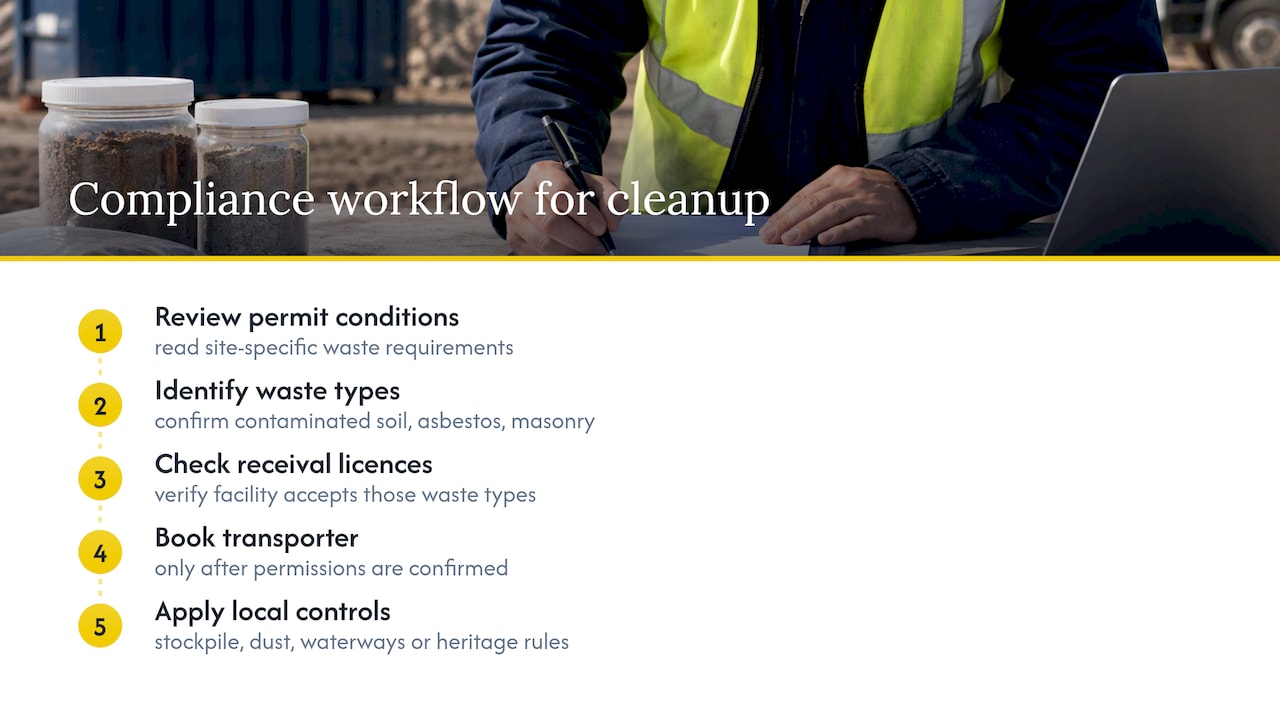
Because these conditions vary by council and by project type, the safest approach is to check the permit conditions attached to the specific job rather than assuming a standard process applies. A waste manager who reads the permit before cleanup starts, rather than after a compliance query arrives, avoids most of the friction that local rules can otherwise cause.
9. Keeping the crew and site management on the same page
A cleanup checklist only works if everyone on site is following the same version of it. Daily toolbox talks that cover waste zones, hazard flags and any changes to truck access keep subcontractors from working off outdated information. A single waste manager, named early and known to every crew, gives everyone one person to check with rather than guessing who’s responsible for a decision.
Clear, shared signage does a lot of the coordination work on its own: bins labelled by material, exclusion zones marked physically rather than just mentioned at a briefing, and a visible point of contact for anyone unsure where a load belongs. When a subcontractor’s load doesn’t match the day’s plan, a quick check-in before loading avoids a rejected truck later.
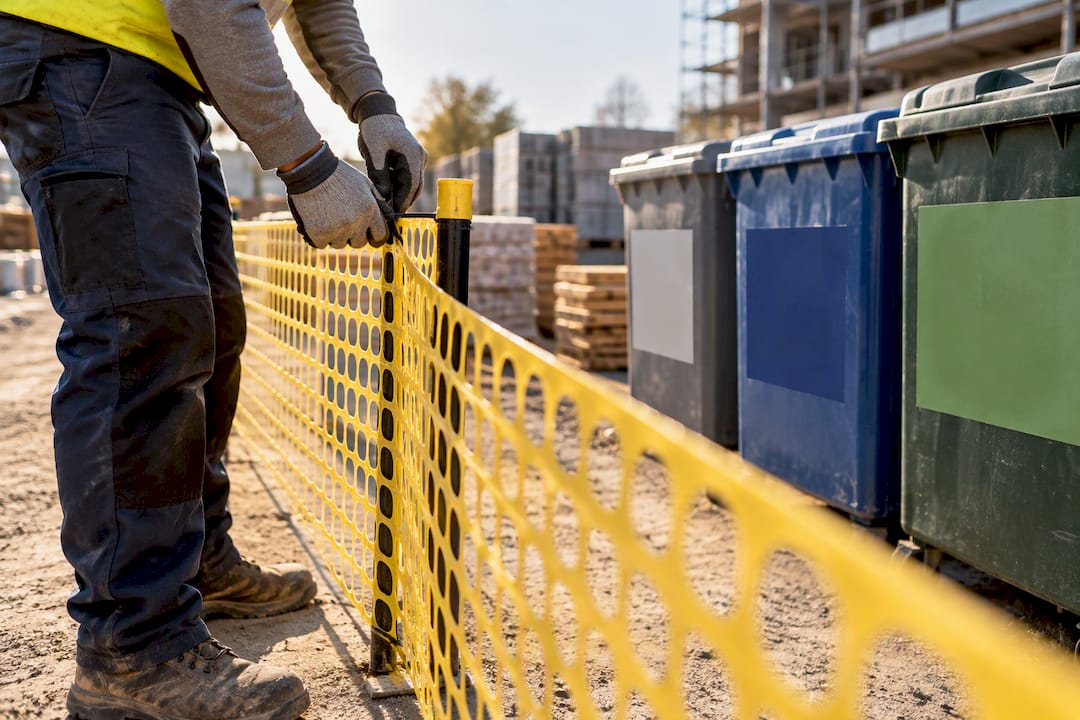
Handover between shifts or trades matters just as much as the initial briefing, with plant installation best practices offering useful insights on final site handover processes. A short log update at the end of each day, noting what streams were collected, what’s still pending and any hazard flags raised, means the next crew isn’t starting from scratch. This is where the printable checklist and the record log described earlier double as a communication tool, not just a compliance file.
10. Getting a supplier to run the checklist for you
Running every step above with in-house resources is possible, but it’s often faster to hand the whole job to one supplier who can execute segregation, specialist handling and lawful disposal as a single service. Melbourne City Rubbish offers construction waste removal that covers general bulk debris through to demolition and strip-out waste, with the option to request carbon-neutral disposal on a job.
- Ask for a written quote covering segregation, transport and destination confirmation.
- Request weighbridge dockets and destination evidence as part of the service, not as an afterthought.
- Book a removal slot that fits your site’s access windows and permit conditions.
For demolition-heavy jobs, its commercial demolition and structural demolition services extend the same approach to strip-out and rebuild waste. Start with a quick quote to see how a booked removal slot fits your project timeline.
Sources
- SafeWork NSW — asbestos guidance
- EPA NSW — construction and demolition waste management toolkit
- GBCA — Green Star commentary on construction and demolition waste
FAQ
What should be on a construction cleanup checklist?
A construction cleanup checklist covers site security and exclusion zones, waste segregation into clean streams, an asbestos check before loading, confirmed transport to a lawful receival site, and documented proof such as weighbridge dockets. Each step should have a named person responsible for signing it off.
Who is responsible if waste ends up at an illegal dumping site?
The waste generator remains legally responsible even after engaging a contractor or transporter, so collecting destination evidence at handover protects against that liability. Written confirmation of the receival site and a matching weighbridge docket are the two records that matter most.
How do I know if material on site contains asbestos?
Treat any suspect material as asbestos until it has been properly assessed, and do not disturb, cut or sweep it in the meantime. Under SafeWork NSW guidance, licensed removal is required in almost all circumstances once asbestos is suspected, with independent clearance needed afterward when relevant thresholds apply.
Does segregating waste actually reduce disposal costs?
Yes, cleanly segregated loads are generally easier to recover and can attract lower tipping fees than mixed loads, which are harder for receival sites to process. Setting up labelled bins and dedicated stockpile areas before waste handling starts is the most reliable way to capture that saving.
Can Melbourne City Rubbish handle construction waste removal directly?
Yes, Melbourne City Rubbish provides construction waste removal covering general debris, strip-out and demolition waste, with an option to request carbon-neutral disposal. Pricing is provided as a written quote per job rather than a published rate.