If your shed might contain asbestos or needs heavy equipment or slab removal, hire a licensed demolition team who will manage permits, safe asbestos removal and lawful disposal. If your shed is a straightforward freestanding structure under 40 square metres, non-masonry and not heritage listed, it may fall under a Class 10 exemption and skip the building permit stage, though you still need to check asbestos and confirm the rules with your council. For a site quote and eco-friendly disposal options, contact a local rubbish removal service.
TL;DR:
- Asbestos testing and licensed removal are required for sheds built before the 1990s or containing uncertain materials, with strict notification timelines and independent clearance certificates.
- Costs are primarily influenced by asbestos presence, site access, slab removal, and disposal fees, making itemised quotes essential for accurate comparison.
- Many sheds under 40 square meters made of non-masonry materials may qualify for permit exemption, but councils vary in enforcement, so confirming with local authorities is crucial.
- Property owners retain responsibility for lawful waste disposal, requiring proof of transfer and proper handling of asbestos and recyclable materials to avoid legal issues.
- Choosing a licensed, insured contractor with proper permits, transparent quotes, and an established disposal plan reduces risks of non-compliance and project delays.
Table of Contents
- What happens on site and how long it takes
- Do you need a building permit for a shed in Melbourne?
- How asbestos rules apply to your shed demolition
- What drives the cost of a shed demolition quote
- Who is responsible for lawful disposal of shed waste
- Choosing a licensed, insured demolition contractor
- Getting your shed cleared with Melbourne City Rubbish Removal
- Sources
- FAQ
What happens on site and how long it takes
A shed demolition follows a predictable sequence, whether the job is a weekend timber shed or a larger structure with a concrete slab. Getting the order right protects you legally and keeps the job on schedule.
- Pre-inspection and asbestos survey: a contractor checks the shed’s materials, age and construction, and flags anything that needs testing before work starts.
- Access checks and utility isolation: power, water or gas connections running to the shed are identified and disconnected where needed.
- Site preparation: exclusion zones go up, neighbouring structures and fences get protection, and any required permits or notifications are confirmed.
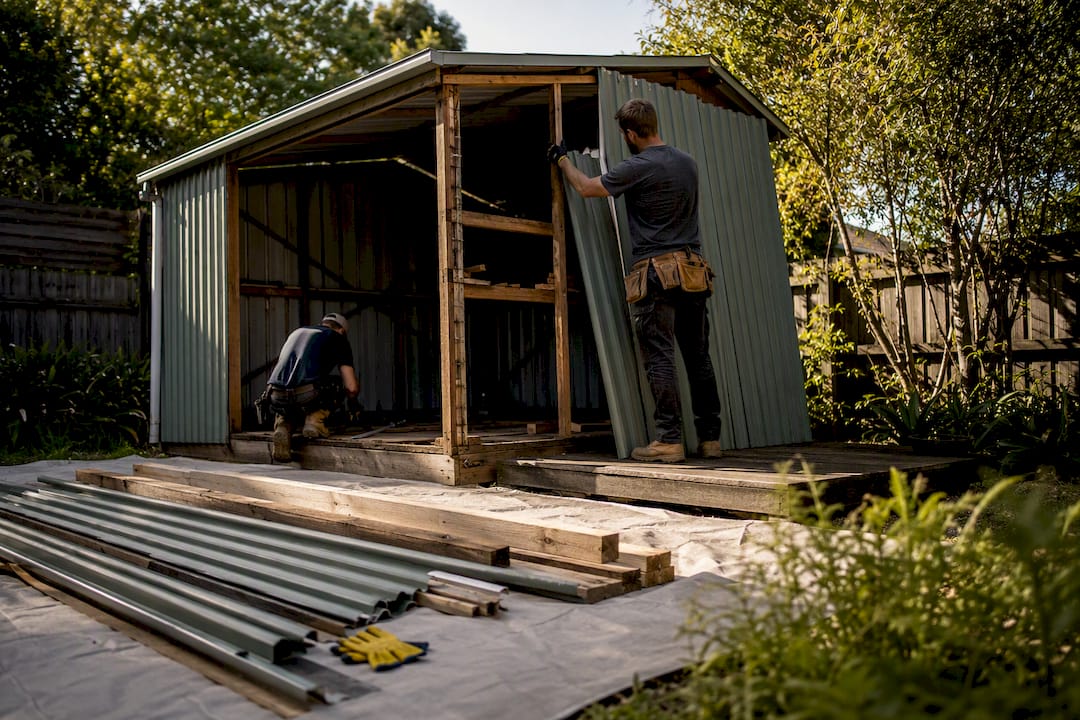
- Demolition: hand strip-out suits sheds with salvageable timber or fittings, mechanical knockdown suits larger steel or brick structures, and partial deconstruction is used when part of the shed needs to stay.
- Waste sorting and removal: timber, steel and other recoverable materials are separated from general waste before trucks leave site.
- Slab or footing removal and clean-up: concrete is broken up and removed if you want the area cleared for a rebuild or landscaping, and the site is left level and swept, following best practices outlined in post construction cleaning.
A small, straightforward freestanding shed with no asbestos and no slab can often be down and cleared within a day. Jobs involving asbestos removal, mechanical demolition or slab extraction usually take longer, since clearance testing and machinery bookings add extra steps to the timeline.
Do you need a building permit for a shed in Melbourne?
Many freestanding Class 10 structures, such as garden sheds and garages, are exempt from a building permit under Victorian building regulations, provided the shed is not made of masonry, does not exceed 40 square metres, does not create a public safety risk and is not on a heritage-listed property. That said, exemption criteria and how strictly they’re applied can vary between councils, so it pays to confirm directly rather than assume your shed qualifies, according to council building permit guidance.
A permit or a formal report and consent is more likely required when the shed sits within a heritage overlay, forms part of a larger demolition project, or when removing it would affect a shared wall, facade or the volume of an adjoining building. Local councils typically issue demolition permits to registered demolition contractors rather than to owner-demolishers, largely because contractors carry the licences and insurance the permit process expects, as outlined in council demolition guidance.
Before you book anyone, check with your council or a registered building surveyor and bring:
- The shed’s dimensions, construction material and approximate age.
- Photos of the shed and its position relative to boundaries and neighbouring structures.
- Any existing building permit or approval documents for the original shed, if you have them.
Pro Tip: Call your local council’s building department before getting quotes. Knowing whether a permit or report and consent applies helps you compare like-for-like quotes rather than prices that quietly assume different compliance work.
How asbestos rules apply to your shed demolition
Older Melbourne sheds, particularly those built before the 1990s, often used fibro or asbestos cement sheeting. Treat any uncertain material as asbestos until it has been tested, and arrange a survey if you’re not sure what you’re dealing with.
Under Victorian OHS regulations, licensed removal is required for any friable asbestos, and for larger non-friable asbestos removal jobs exceeding a certain threshold area. Notification to WorkSafe Victoria also has strict timing:
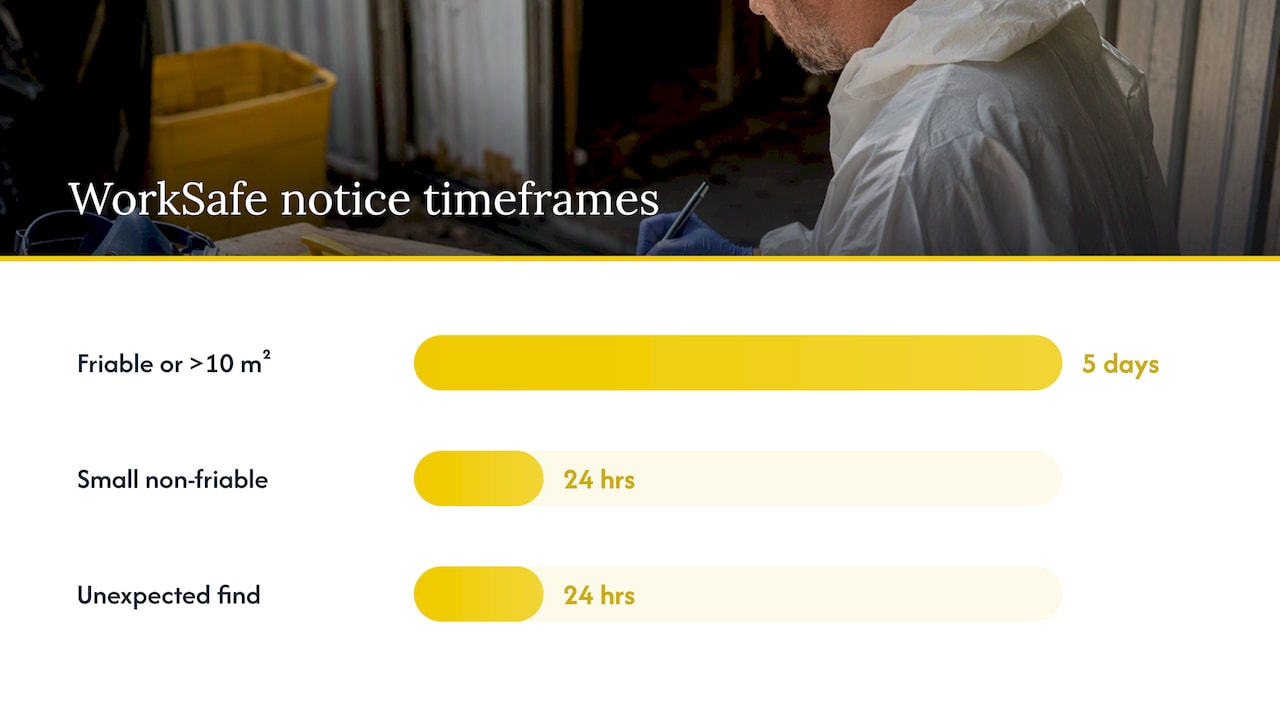
- At least five days’ notice is required before removing friable asbestos or more than 10 square metres of non-friable asbestos.
- 24 hours’ notice applies for smaller non-friable jobs, and notification within 24 hours is required for unexpected asbestos finds, according to WorkSafe Victoria.
A clearance certificate (Regulation 297) must be issued before mechanical demolition can begin after asbestos removal, and an assessor independent of the removal contractor gives that certificate proper standing, as explained in asbestos removalist guidance. Skipping this step is one of the more common ways homeowners end up with a council or lender flagging their site later, since many assume a small shed carries low risk when asbestos is often the hidden issue. Both the contractor and the property owner share responsibility for getting this sequence right, not just the tradesperson swinging the hammer.
What drives the cost of a shed demolition quote
Shed demolition costs vary job to job, and the biggest swings usually come from a handful of factors rather than the size of the shed alone.
- Asbestos presence: licensed removal, testing and clearance certification add cost and time compared with a clean timber or steel structure.
- Site access: a shed reachable by truck costs less to clear than one behind a narrow side gate needing hand carting.
- Slab and footing removal: breaking up and hauling away concrete adds machinery hire and disposal weight.
- Asset protection and traffic management: fencing, hoarding or a temporary crossing permit add to the bill on tighter sites.
- Disposal fees: landfill and transfer station charges depend on waste type and volume, and asbestos disposal carries its own handling costs.
Ask any contractor for an itemised quote rather than a single lump figure, and ask where the waste is actually going. Unusually low quotes are a warning sign, since cutting corners on disposal, according to EPA Victoria, often means waste ends up somewhere it shouldn’t.
Pro Tip: Ask for the tip or transfer station name before you book. A contractor who can’t name where your shed’s waste is going is a contractor you should keep shopping past.
Who is responsible for lawful disposal of shed waste
Even when you hire someone else to do the physical work, you as the property owner retain a duty to ensure your demolition waste ends up at a facility lawfully permitted to accept it, under EPA Victoria’s waste generator obligations. That responsibility doesn’t transfer automatically just because a contractor loaded the truck.
Protect yourself by asking for documentary proof:
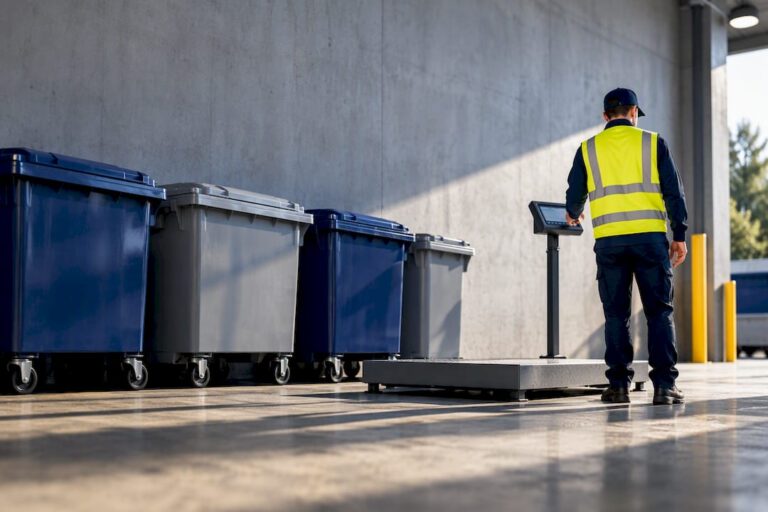
- Transfer dockets or weighbridge tickets showing where the waste was delivered.
- Landfill or resource recovery facility receipts naming the site and date.
- Contact details for the disposal provider, so you can verify independently if needed.
Asbestos waste needs specific packaging and transport handling separate from general demolition debris. Where possible, ask whether recoverable materials such as timber, steel and clean rubble can be diverted for recycling or salvage rather than landfilled, since this is often cheaper and better for the site’s environmental footprint. Our guide to disposing of building waste in Melbourne covers this in more detail.
Choosing a licensed, insured demolition contractor
Picking the right contractor comes down to paperwork as much as price. Before signing anything, work through this shortlist.
- Ask for registration and licences: request the contractor’s demolition registration and, if asbestos is involved, their licensed asbestos removalist details.
- Check insurance: get the public liability policy number and expiry date, plus proof of workers’ compensation cover.
- Confirm the clearance certificate process: ask who issues it and confirm it’s independent of the removal contractor.
- Get a site-specific written quote: it should list the scope of works, disposal plan naming actual facilities, and an itemised cost breakdown.
- Ask about timeline: a realistic start and finish date, including any permit or notification lead time.
Watch for red flags such as cash-only payment requests, vague answers about where waste is going, or reluctance to show insurance documents or explain the clearance process. Registered demolition contractors typically manage permits and hold existing relationships with licensed removalists and lawful disposal sites, which takes that burden off your plate, according to council demolition guidance.
Pro Tip: Get at least two written quotes covering the same scope of work, including disposal and clean-up, so you’re comparing full jobs rather than partial ones.
Getting your shed cleared with Melbourne City Rubbish Removal
Melbourne City Rubbish Removal handles residential demolition across Melbourne, alongside construction waste removal and eco-friendly disposal options, so a shed job can go from standing to cleared without you juggling separate contractors for demolition and waste removal. Booking typically starts with a site visit and a written quote covering the full scope, not just the knockdown.
- A site assessment and itemised written quote before any work begins.
- Eco-friendly disposal options for materials that can be recycled or diverted from landfill.
- Full site clean-up once the shed and any slab work are done.
Request a quick quote to arrange a site visit for your Melbourne property.
Sources
- Asbestos removal notification | WorkSafe Victoria
- Home renovation and demolition waste | EPA Victoria
- BP-01: When is a building permit required | Frankston City Council
- Asbestos removalists guidance | Asbestos Victoria
FAQ
How much does demolition of a shed cost?
Shed demolition costs depend mainly on size, access, whether asbestos is present and whether a concrete slab needs removing. Getting an itemised quote that separates labour, machinery and disposal fees is the most reliable way to compare providers for your specific shed.
How much does it cost to dismantle and remove a shed?
Dismantling and removal costs scale with the same factors as full demolition: site access, materials, slab work and any asbestos handling. Ask each contractor to quote dismantling and haul-away as separate line items so you can see where the cost actually sits.
How can I get rid of my old shed?
Start by checking whether the shed contains asbestos, since that determines whether you need a licensed removalist before any dismantling begins. From there, a licensed demolition contractor or a rubbish removal service that handles residential demolition, such as Melbourne City Rubbish Removal, can manage removal and lawful disposal.
What is the best way to dismantle an old shed?
The safest approach starts with an asbestos check, followed by confirming whether a building permit applies to your specific shed and site. For anything beyond a small, asbestos-free timber structure, engaging a licensed contractor to handle demolition method, waste sorting and disposal is generally safer than attempting it yourself.