Most demolition materials can be reused or recycled. Concrete, brick, timber and metal all have established recovery routes, and well-run facilities divert 70 to 90 percent of incoming waste from landfill. Getting there means writing a waste management plan before the first wall comes down, segregating materials on site, and choosing a lawful, documented receival point. Melbourne City Rubbish handles that operational side for commercial and residential jobs across Melbourne.
TL;DR:
- Segregating demolition materials on-site improves recycling rates to approximately 70 to 90 percent, reducing landfill and maximizing salvage value.
- Proper classification and documentation ensure materials are sent to authorized receival sites, avoiding fines and disposal delays.
- Conducting early salvage audits and prioritizing high-value materials like钢 and hardwood can significantly increase reuse profitability.
- A comprehensive waste management plan should include material estimates, certified receivals, and contingency measures for hazardous contamination.
- Accurate paperwork, including weighbridge tickets and transport records, is essential for compliance and minimizing legal risks.
Table of Contents
- What materials make up demolition waste?
- Why prioritise avoidance and reuse over disposal?
- What on-site tactics improve recycling outcomes?
- What should a waste management plan include?
- How does demolition waste recycling actually work?
- When does recycling actually save money?
- What documentation avoids fines and disposal problems?
- How Melbourne City Rubbish delivers on the plan
- Sources
What materials make up demolition waste?
Demolition sites generate a mix of streams, and each one has its own handling rules. Get the classification wrong and you either pay landfill rates for material that should have been recycled, or worse, send something hazardous to a facility that isn’t licensed to take it.
The common streams include:
- Concrete, brick and masonry — crushable, high volume, strong recycled market
- Timber, including treated and painted stock, which needs separate handling from clean structural timber
- Plasterboard, which requires clean separation to be recycled rather than landfilled
- Metals (structural steel, reinforcing bar, copper, aluminium) — almost always worth recovering
- Asphalt, glass and soils, each with its own reuse or receival pathway
- Vegetation and tyres, which have dedicated diversion routes
- Asbestos, which demands specialist testing, removal and disposal under strict controls
Correct classification up front determines which receival sites can legally take the load, and it’s the difference between a smooth recycling outcome and a rejected delivery at the gate.
Why prioritise avoidance and reuse over disposal?
The waste hierarchy runs avoid, then reuse, then recycle, then recover energy, and only then dispose. Each step down that ladder loses value. A reclaimed hardwood beam reused in a new build keeps its embodied carbon intact; the same beam turned into woodchip loses most of that value, and landfilling it loses all of it.
The diversion opportunity is real but conditional. Facilities that handle mixed construction and demolition material well can pull 70 to 90 percent of it out of landfill by weight. Heavy contamination in the incoming load drags that figure down fast, which is exactly why on-site segregation earns its keep before material ever reaches the gate.
Recycling this material also cuts greenhouse gas emissions and often beats the cost of sourcing virgin raw materials, a combination that’s hard to ignore once you’ve priced both options. Regulatory pressure and green building scoring are pushing procurement teams toward circularity too, which means the planning decisions made at design and tender stage now carry more financial weight than they used to.
What on-site tactics improve recycling outcomes?
Treat demolition as reverse construction, not a bulldozer job. A pre-demolition audit identifies what’s salvageable and what’s hazardous before any machinery arrives, and it should happen early enough to shape the whole program.
- Run the audit first. Walk the site, list salvageable fittings, structural timber and steel, and flag anything needing hazardous material testing.
- Choose selective deconstruction over bulk demolition for high-value elements. Mechanised bulk demolition is faster, but it crushes purity and salvage value in the process.
- Set up segregation zones with clear labelling and staging areas before the first piece comes down, not after.
- Keep loads clean. Facilities reward high-purity material with lower gate fees, so mixing a clean concrete load with plasterboard offcuts costs you money twice over.
Pro Tip: Prioritise salvage in this order: structural steel and reinforcing bar first (highest resale value per tonne), then hardwood beams and flooring, then reusable bricks and pavers. These three categories usually cover most of a site’s recoverable value.
What should a waste management plan include?
A waste management plan (WMP) is the document that turns good intentions into a lawful, trackable process. Get it written before demolition starts, not as a compliance afterthought once skips are already on site.
At minimum, a solid WMP includes:
- Waste classification for every material stream expected on site
- Estimated quantities by type, so receival sites and transport can be booked accurately
- Nominated receival sites, including their Environment Protection Licence (EPL) or development consent status
- Contingency provisions for unexpected contamination, such as buried asbestos or fuel-affected soil
Government toolkits recommend building these elements into every project, and the same discipline should extend into contracts with demolition subcontractors. Require evidence of lawful disposal before releasing final payment, link progress payments to waste dockets rather than verbal assurances, and ask for transporter details plus GPS or consignment tracking on higher-risk loads. None of this is bureaucratic box ticking. It’s what protects you when a regulator asks where the waste actually went.
How does demolition waste recycling actually work?
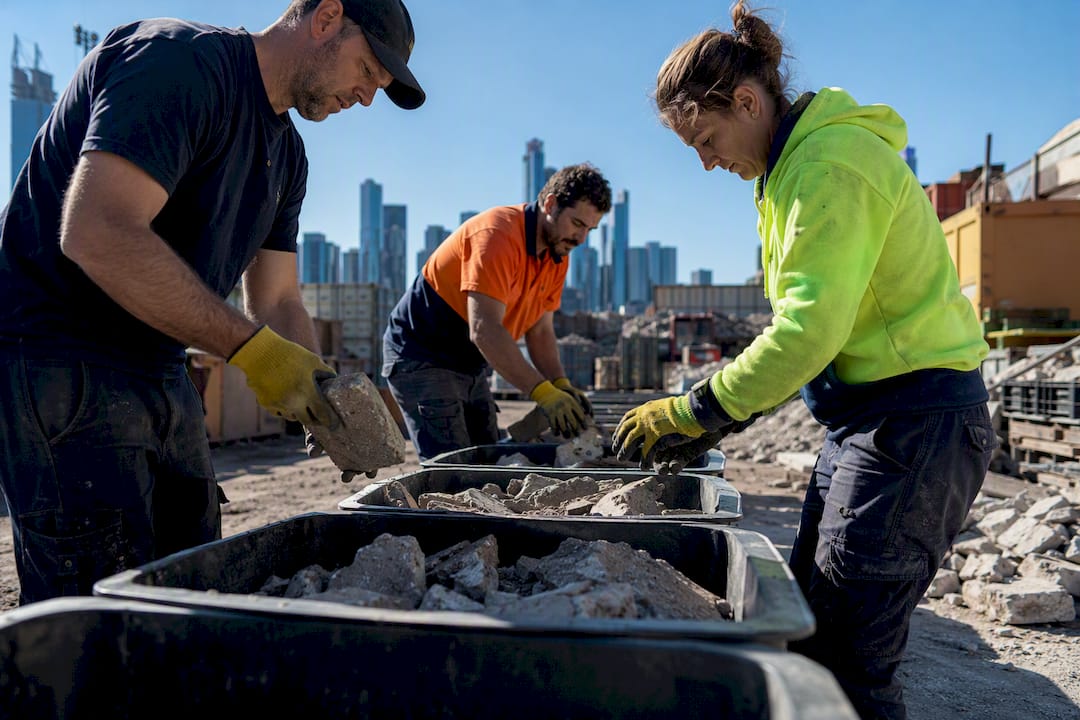
Once material reaches a processor, the route depends entirely on the stream. Concrete and brick go through crushers and screening plant to produce graded aggregate. Timber gets sorted into reclaimable structural stock and lower grade material destined for woodchip or particleboard feedstock. Metals go straight to scrap processors, plasterboard needs manual or mechanical separation from paper facing, and soils either go to an approved receival site or back into reuse on site if they’re clean.
The diversion outcomes worth expecting:
- 70 to 90 percent by weight at well-run commingled facilities handling clean, well-segregated loads
- Lower rates where contamination is heavy or local markets for a particular material are thin
- Strong end-use demand for recycled aggregate in road base, landscaping and general fill
State programs such as Western Australia’s Roads to Reuse exist specifically to build markets for these recycled outputs, and case studies across the country show councils and private processors converting substantial volumes of demolition material into usable product rather than fill for a landfill cell.
When does recycling actually save money?
The cost side of this equation has four main drivers: landfill levies, transport distance to a suitable processor, the gate fee a facility charges, and the labour cost of segregating material on site instead of just skipping it commingled.
The savings side is where the decision usually gets made:
- Avoided landfill levies on every tonne diverted rather than dumped
- Lower procurement costs on future projects using recycled aggregate instead of virgin material
- Direct resale revenue from high-value salvage, and it can be significant: specialist markets pay premium prices for high-grade reclaimed hardwood, though volumes at that price point are limited., though volumes at that price point are limited
The quick decision rule: if expected salvage value exceeds the cost of segregation labour and extra handling time, selective deconstruction wins, according to Truck fleet disposal: what fleet managers need to know. If the site has little of value beyond commingled rubble, a straightforward collection and recycling service is the more efficient path, and it’s worth comparing the true cost of smart disposal choices before committing either way.
What documentation avoids fines and disposal problems?
Paper trails matter as much as the physical sorting. If you can’t prove where waste went, you can’t prove you complied, and that gap is exactly what regulators and certification auditors look for.
- Keep weighbridge tickets and receival dockets for every load leaving site, matched against the WMP’s estimated quantities.
- Retain chain-of-custody paperwork, including transporter details and consignment numbers for anything classified as hazardous.
- Verify receival facilities before booking them. Confirm their EPL or development consent status rather than taking a quoted price at face value.
- Watch for red flags in subcontractors, such as reluctance to provide docket evidence, cash-only arrangements, or vague answers about where material actually ends up.
Contractual measures that tie payment to receipts and use transport monitoring materially reduce the risk of unlawful dumping and the fines that follow. If you manage waste obligations across multiple sites or a strata portfolio, a local regulatory primer is worth keeping on hand for your own team.
How Melbourne City Rubbish delivers on the plan
Writing a waste management plan is one thing. Executing it on a live site, with trucks turning up on schedule and every load properly documented, is where most of the value actually gets lost or won. Melbourne City Rubbish handles that execution directly: segregated collection by material stream, delivery to lawful receival sites, and weighbridge and docket documentation you can hand straight to a client, certifier or regulator without chasing paperwork later.
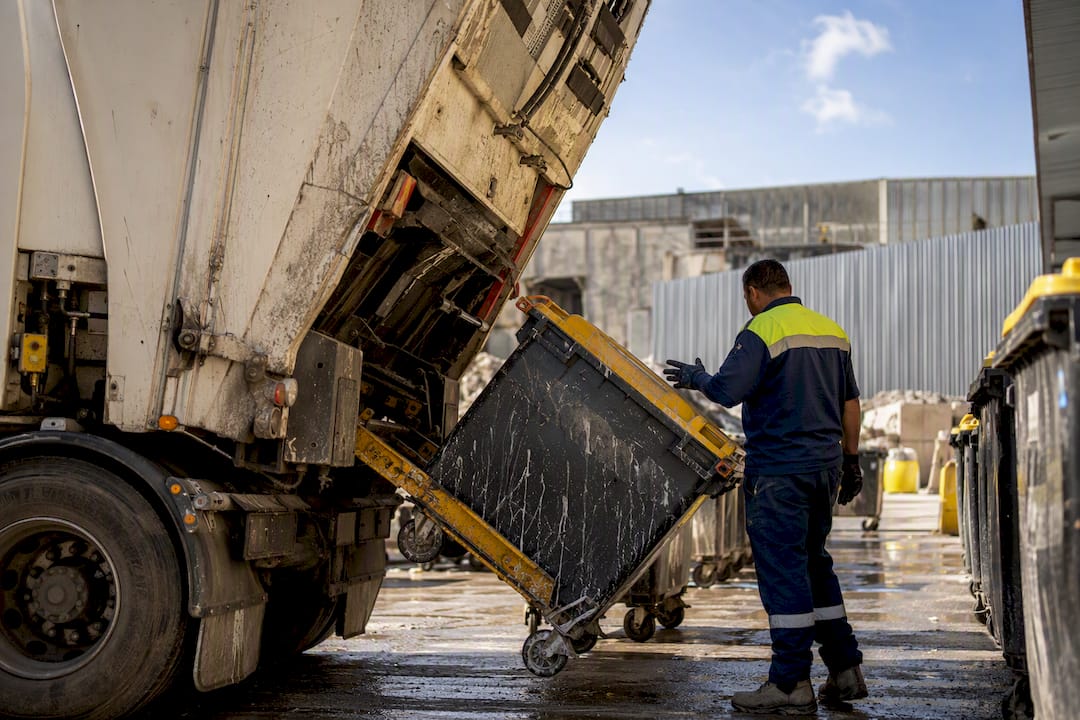
Jobs range from single-property demolition clean-ups to full commercial strip-outs and strata-managed projects with multiple stakeholders and tighter compliance expectations. A carbon-neutral disposal option is available for teams tracking embodied carbon or chasing green building points. To get an accurate quote fast, have your estimated volumes by material type, site access details and target collection dates ready, and if you’re still working out what to look for in a provider, this guide to choosing a rubbish removal service covers the questions worth asking. Get a quote from Melbourne City Rubbish and lock in collection before demolition starts, not after the skips are already overflowing.