A transfer station is a short stop consolidation and recovery hub. A landfill is a long term engineered disposal facility. That single distinction drives most of the practical decisions around haulage cost, recycling recovery, and environmental risk that follow, and it’s why councils, builders, and property managers rarely treat the two as interchangeable.
TL;DR:
- Transfer stations are designed for short-term waste consolidation and screening, making them more efficient for frequent small loads than direct landfill delivery.
- Landfills are engineered to contain waste permanently with liners, leachate systems, and gas capture, and are typically located away from population centers due to environmental controls.
- Beyond a certain transport distance, consolidating waste through a transfer station reduces overall haulage costs compared to sending trucks directly to landfills.
- Using transfer stations is most advantageous when handling frequent, small, or long-haul loads, whereas large bulk loads or specialized waste streams are better suited for direct landfill disposal.
- Proper sorting, documentation, and adherence to regulations are essential before self-hauling waste to prevent rejection at transfer stations.
Table of Contents
- Landfill vs transfer station: what each one actually does
- What a landfill actually is, and why design matters
- Comparing landfills and transfer stations side by side
- When should you use a transfer station instead of the landfill?
- What to know before you turn up with a load
- Where to read the official guidelines
- Sources
- FAQ
Landfill vs transfer station: what each one actually does
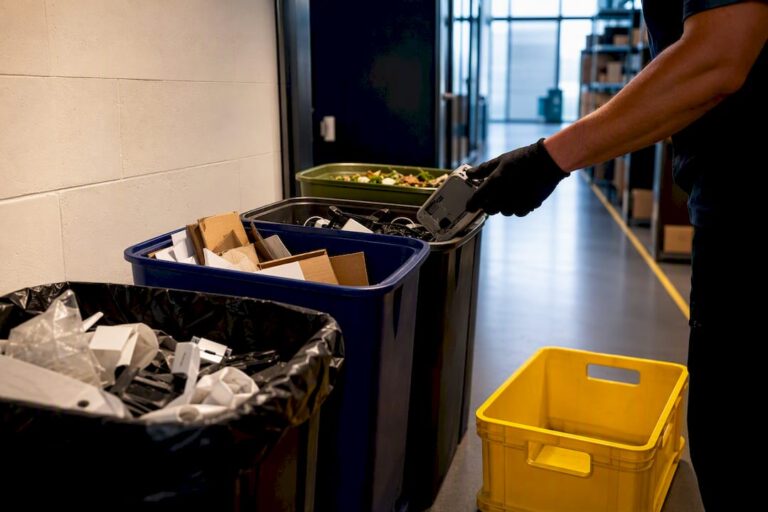
A transfer station exists to move waste through, not to store it. Collection trucks and self-haul customers tip loads into a bay, workers screen out recyclables and hazardous items, and the remainder gets pushed into larger haulage vehicles bound for a landfill or processing plant. The EPA NSW handbook describes transfer stations as receiving areas built around consolidation, with only minimal on-site storage.
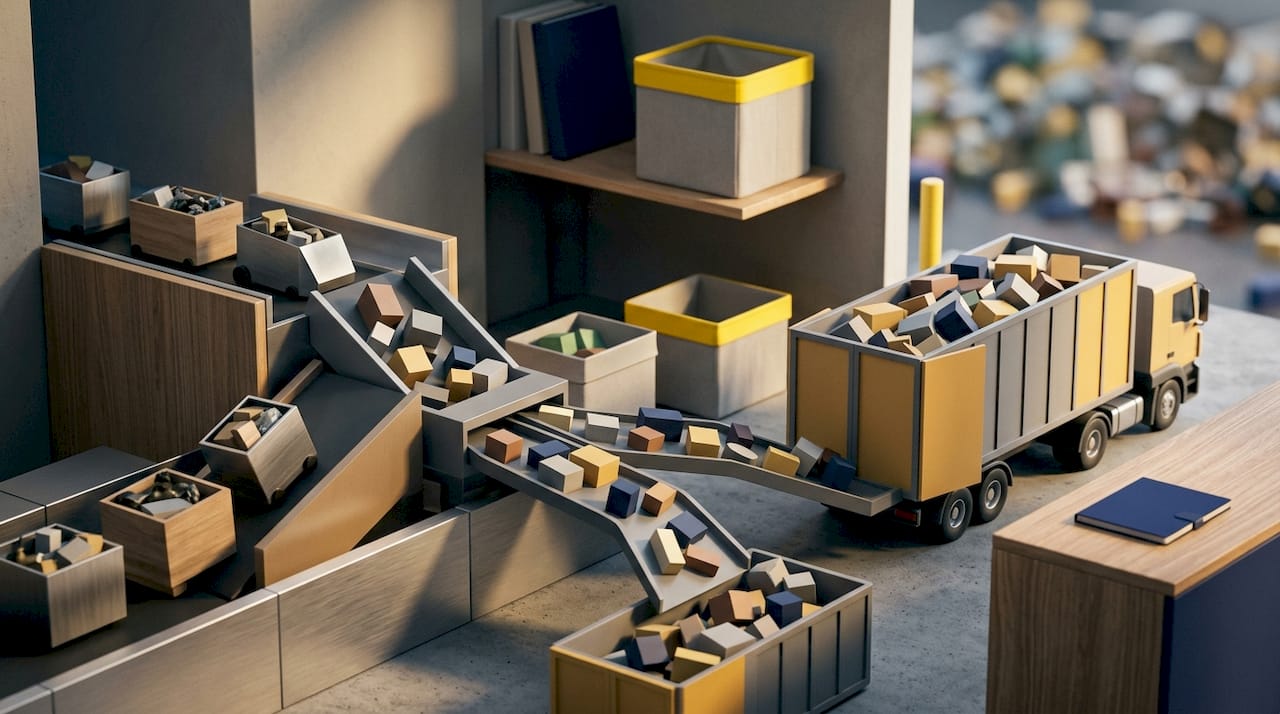
There are two broad flavours. Rural and regional transfer stations tend to be open-air sites with drop-off bays serving small towns that are too far from a regional landfill to justify direct haulage. Urban resource recovery centres are usually enclosed, higher-throughput operations that double as material recovery points for cardboard, metal, and green waste.
The equipment tells you what the site is for:
- Drop-off bays and weighbridges for quick, controlled unloading
- Compactors that reduce bulk waste volume before it’s transferred
- Front-end loaders and conveyors for sorting and moving material
- Short-term stockpile areas, cleared within hours or days, not weeks
The payoff for running a network this way is haulage efficiency. Fewer, larger truckloads on the road to the landfill means lower transport cost per tonne and fewer vehicle kilometres overall, which is also where a meaningful share of recycling gets captured before it ever reaches a landfill cell.
What a landfill actually is, and why design matters
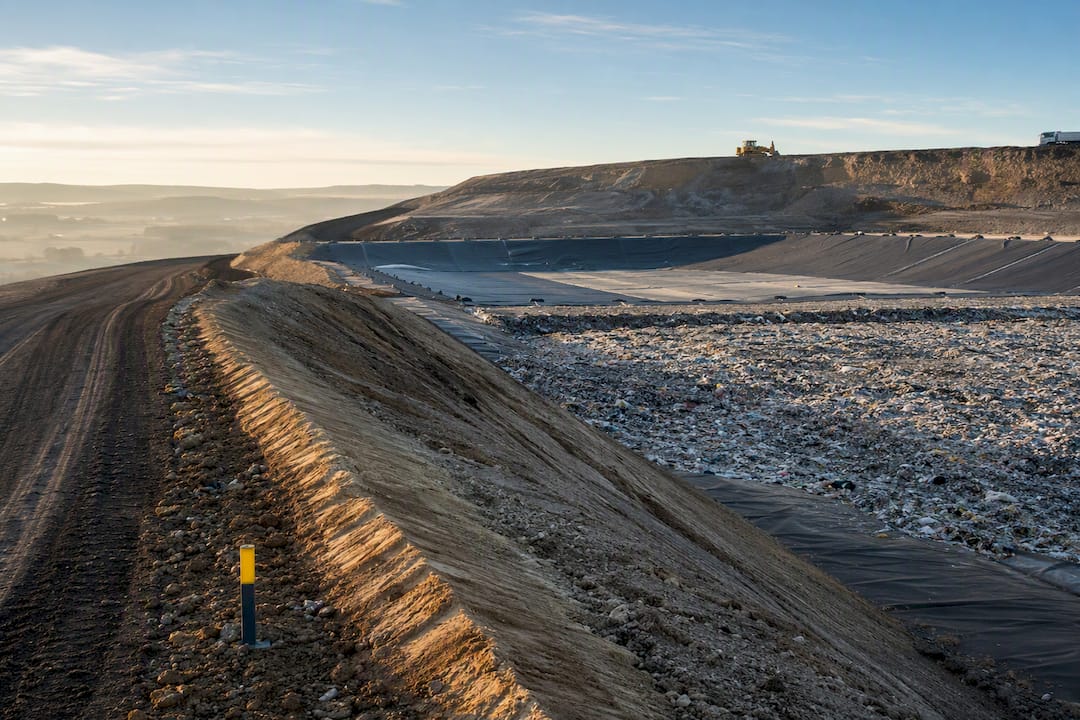
A landfill is where waste is permanently buried under engineered controls, not just dumped in a hole and covered over. The gap between an engineered regional landfill and an old, unmanaged rural tip is the whole story here: one is built to contain contamination for decades, the other often wasn’t built to contain much of anything.
Modern engineered landfills rely on a handful of core components:
- Liners beneath the waste mass to stop leachate migrating into soil and groundwater
- Leachate collection systems that capture the liquid waste produces as it breaks down
- Gas extraction infrastructure to manage methane generated by decomposition
- Capping layers once a cell is full, followed by long-term monitoring
A landfill’s life doesn’t end when the last load goes in. Cells get closed, capped, and then monitored for years, sometimes decades, to track gas and leachate behaviour. Skip any of those controls and the risks are real: groundwater contamination, uncontrolled methane emissions, and ground subsidence as buried waste decomposes and settles unevenly. The EPA NSW handbook on rural and regional transfer stations points to exactly this problem: many small rural landfills are uneconomic to upgrade to modern standards, which is a big part of why councils close them and route waste through a transfer station to a properly engineered regional site instead.
Comparing landfills and transfer stations side by side
Line the two facilities up against the factors that actually affect a decision and the differences sharpen fast.
- Purpose and throughput. A transfer station consolidates and screens; a landfill disposes permanently. One processes volume and moves it on, the other absorbs it for good.
- Stay time. Waste sits in a transfer station for minutes to hours. In a landfill, it stays put, under cover and monitoring, for years.
- Location and scale. Transfer stations are usually sited close to where waste is generated, small footprint, easy access. Landfills need large, geologically suitable sites, often well away from population centres.
- Environmental controls and public acceptability. Landfills carry liners, leachate systems, and gas capture, plus heavier regulatory scrutiny and more community pushback over siting. Transfer stations face lighter but still real controls around stormwater, odour, and site stability, particularly where a facility sits on or near a former landfill cell, as the EPA SA guidelines for resource recovery depots and transfer stations point out.
- Cost and logistics. This is where haulage economics come in. A US EPA decision-making manual sets out a sample hauling-cost comparison showing that once you’re past a certain break-even transport distance, running waste through a transfer station and consolidating it into fewer, larger loads costs less than sending every truck direct to landfill.
| Dimension | Transfer station | Landfill |
|---|---|---|
| Purpose / role | Consolidation, screening, recovery | Long-term engineered disposal |
| Typical stay time | Minutes to hours | Years, plus post-closure monitoring |
| Location and scale | Near-source, smaller footprint | Remote, large engineered site |
| Environmental controls | Stormwater, odour, site stability | Liners, leachate, gas capture, capping |
| Cost and transport | Lower cost beyond break-even distance | Higher haulage cost per small load |
The break-even distance is the number worth remembering: below it, direct haul often wins on cost; beyond it, consolidating through a transfer station usually comes out ahead.
When should you use a transfer station instead of the landfill?
The rule of thumb is simple: transfer stations suit small, frequent, or long-haul loads; direct landfill delivery suits large, bulk, or specialised loads that already need a permit.
Transfer stations tend to make sense when:
- The nearest landfill is a long drive away and consolidating loads cuts transport cost
- You’re dealing with frequent small drop-offs rather than one big load
- Recyclables need sorting out before disposal: cardboard, metals, green waste
Direct landfill delivery makes more sense when:
- You’ve got a large bulk load that doesn’t benefit from consolidation
- You already hold permitted access and the right paperwork for a specific waste stream
- The waste needs specialised disposal that a transfer station isn’t set up to handle
Pro Tip: If you’re not sure which category your job falls into, weigh it against frequency first, not size. A builder doing one big clean-out load is often better off direct to landfill; a business generating small loads every week almost always saves money and diverts more material through a transfer station.
What to know before you turn up with a load
Every transfer station rejects certain materials outright, and getting caught out at the gate wastes a trip. Asbestos, gas bottles, liquid waste, car batteries, and tyres are the usual culprits; most sites either refuse them or divert them to a separate handling area.
Before you load the trailer:
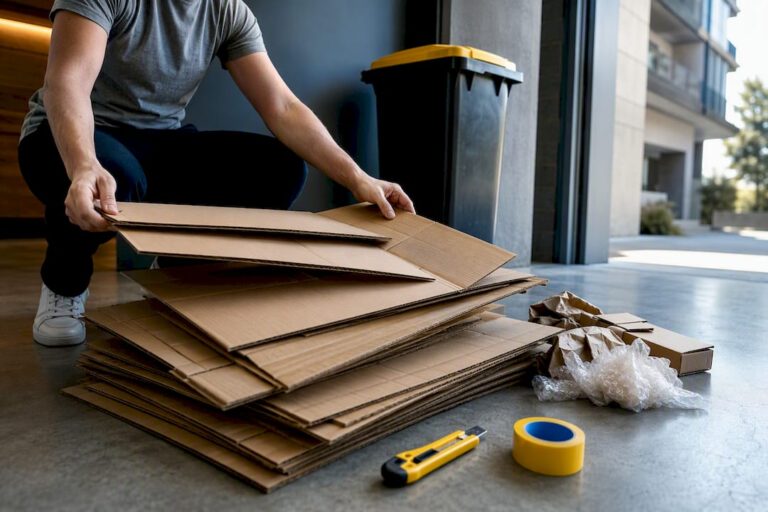
- Separate recyclables (metal, cardboard, green waste) from general waste
- Secure loose or lightweight material so it doesn’t blow around the yard
- Drain and remove any liquids before you arrive
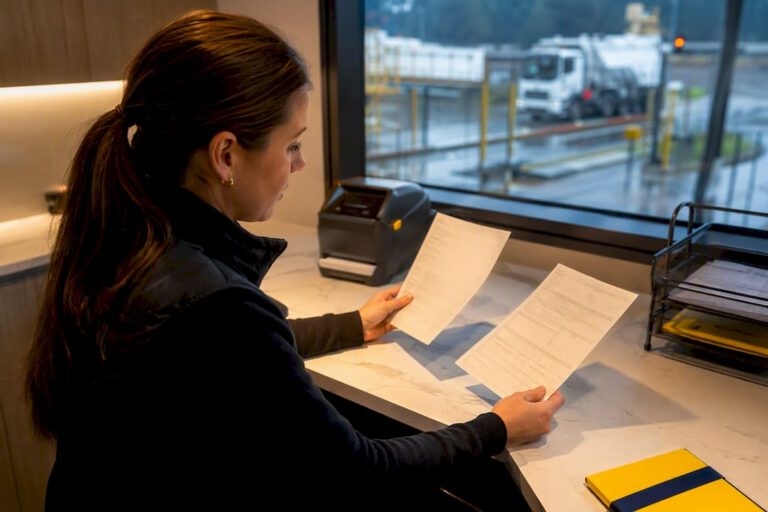
- Carry documentation or a permit for commercial, construction, or hazardous loads
- Expect to cross a weighbridge if you’re bringing a commercial vehicle
E-waste is worth calling out separately, since old monitors, printers, and cabling often need a dedicated drop-off point rather than the general skip. Melbournecityrubbish’s guide to disposing of e-waste covers what’s accepted where. If you’re dealing with a renovation or demolition load, this guide to disposing of building waste walks through the paperwork commercial loads usually need. For anything involving concrete cutting or structural demolition debris, a specialist like Vic Sawing & Drilling handles the cutting side before waste ever needs sorting.
If none of that sounds appealing, and for most households and busy sites it genuinely isn’t, booking a collection service skips the self-haul step entirely. Someone else does the sorting, the driving, and the paperwork.
Sorting your own load, driving it to a transfer station, and hoping you haven’t brought something on the rejected list is a fair chunk of a day gone for most people. Melbournecityrubbish runs general bulk rubbish removal and a full range of commercial and residential waste services that substitute for that trip altogether, with carbon-neutral disposal available for clients who want it. Builders and contractors dealing with debris get a dedicated construction waste removal service, and offices clearing out furniture or fit-outs can book office junk removal or commercial office rubbish removal rather than coordinating multiple transfer station runs. Get a quick quote and skip the weighbridge queue entirely.
Where to read the official guidelines
For the regulatory detail behind everything above, the EPA NSW handbook on transfer station design and operation covers layout and equipment standards. The EPA SA guidelines set out siting and licensing requirements, and the RethinkWaste best-practice guidelines give councils a planning checklist by throughput category.
Sources
- Handbook for Design and Operation of Rural and Regional Transfer Stations (EPA NSW)
- Guidelines for Resource Recovery Depots and Transfer Stations (EPA SA)
- Waste Transfer Stations: A Manual for Decision-Making (US EPA)
- Transfer station best-practice guidelines (RethinkWaste / regional councils)
FAQ
Why do they call it a transfer station?
The name describes exactly what happens on site: waste is transferred from small collection vehicles into larger haulage trucks rather than staying put. It’s a consolidation point, not a storage or disposal site, which is the key difference from a landfill.
Is Australia running out of landfill capacity?
Capacity pressure varies significantly by region, and many small rural landfills have already closed because upgrading them to modern engineering standards is uneconomic, as the EPA NSW handbook notes. That trend pushes more waste through transfer stations to fewer, larger regional landfills rather than pointing to an outright shortage everywhere.
Do landfills ever get emptied?
No, an engineered landfill cell is designed as permanent disposal, not temporary storage, so it isn’t emptied once it’s capped. Some historical mining of old landfill sites has occurred overseas for resource recovery, but that’s the exception, not standard practice.
What is a waste transfer station?
A waste transfer station is a facility where collection vehicles and self-haul customers drop off waste for short-term consolidation before it’s loaded into larger vehicles for transport, usually to a landfill or recycling facility. Recyclables and prohibited items are typically screened out on site before the remaining waste moves on.