Make good is the obligation. Reinstatement is one standard that obligation can demand. A strip out is the physical work of getting there. Your lease decides which standard applies, so the clause, not the label, sets your bill. If the clause asks for a stripped, neutral space, the job is a strip out and a rubbish clearance. If it asks for the premises to be returned as they were on day one, the job goes further and includes repairs and restoration.
The three terms get swapped in conversation, and that is where disputes start. A tenant hears “make good” and pictures a clean and tidy. A landlord reads the same words and pictures bare walls, a clear ceiling and no cabling. This guide separates the terms, shows what each usually involves, and sets out how to plan the work so the waste is not an afterthought.
TL;DR
- Make good is the general duty to hand premises back in the condition the lease specifies. Reinstatement is a higher standard within it: restoring the original or base building condition.
- A strip out (also called a defit) is the work of removing the fit-out. It is usually the largest physical part of a make good, and often the largest source of waste.
- Your lease wording rules. Some leases allow a cash payment to the landlord instead of doing the works, so ask early.
- Start 6 to 12 months before expiry, and compare your start-of-lease condition report with the premises today.
- Book strip out and waste removal as one job so nothing is left on site at handover.
Table of Contents
- What make good means in an Australian lease
- What reinstatement means, and how it differs
- Make good vs strip out
- Who decides which standard applies
- Why the two sides often disagree
- How the cost is worked out
- A worked example: one office, two clauses
- Planning the work step by step
- The waste side of make good
- Where we fit in
- FAQ
- Sources
What make good means in an Australian lease
The RICS professional standard for Australia describes make good as the process, at the end of a commercial lease, where the tenant must hand the premises back in a particular condition. That condition is set by contract: the lease and its schedules.
The Victorian Small Business Commission puts it practically. The make good clause specifies the condition you must leave the premises in, for example removing the fit-out, repairing damage beyond fair wear and tear, or returning the premises to their start-of-lease condition. Fair wear and tear means the ordinary ageing from normal use, such as light scuffing on carpet, which a tenant is not usually asked to fix.
So “make good” is a family of possible obligations, not one fixed job. Two tenants in neighbouring suites can have completely different duties.
What reinstatement means, and how it differs
Reinstatement means putting the space back to an earlier state, normally the original condition at the start of the lease or the base building condition (the building as the landlord delivered it, before any tenant works). It is a destination.
The Queensland Small Business Commissioner explains the default rule in that state: under the Property Law Act 2023 (Qld), the tenant returns the premises in the same or better condition as at the start of the lease, excluding reasonable wear and tear and certain insured or disaster damage. The same factsheet notes the parties can agree different make good conditions in the lease, and those usually replace the default. Queensland law applies in Queensland only. In Victoria, start with your own lease and the Victorian Small Business Commission guidance above.
The NSW Retail Tenancy Guide describes the typical retail position: return the premises empty and neutral, sometimes stripped back to bare shell and redecorated. That is reinstatement at its most demanding.
A simple way to hold the difference:
| Term | What it is | Typical outcome |
|---|---|---|
| Make good | The lease obligation to hand back in a stated condition | Depends on the clause |
| Reinstatement | Restoring the original or base building condition | Fit-out removed, damage repaired, finishes restored |
| Strip out / defit | The removal work itself | Joinery, partitions, cabling and fixtures out |
| Repairs and clean only | The lightest standard | Damage fixed, premises clean, fit-out may stay |
Make good vs strip out
A strip out is a task. Make good is a duty. You can have a make good duty that needs no strip out (you only repair and clean), and a strip out that is not a make good (a tenant clearing space mid-lease for a refit).
When the clause does require removal, the work typically covers items such as counters and built-in joinery, partition walls, signage and its fixings, specialty lighting, floor coverings and IT cabling. The Victorian Small Business Commission’s cost checklist adds painting, flooring removal, external signs, cracked windows and rubbish removal to the list a tenant should price.
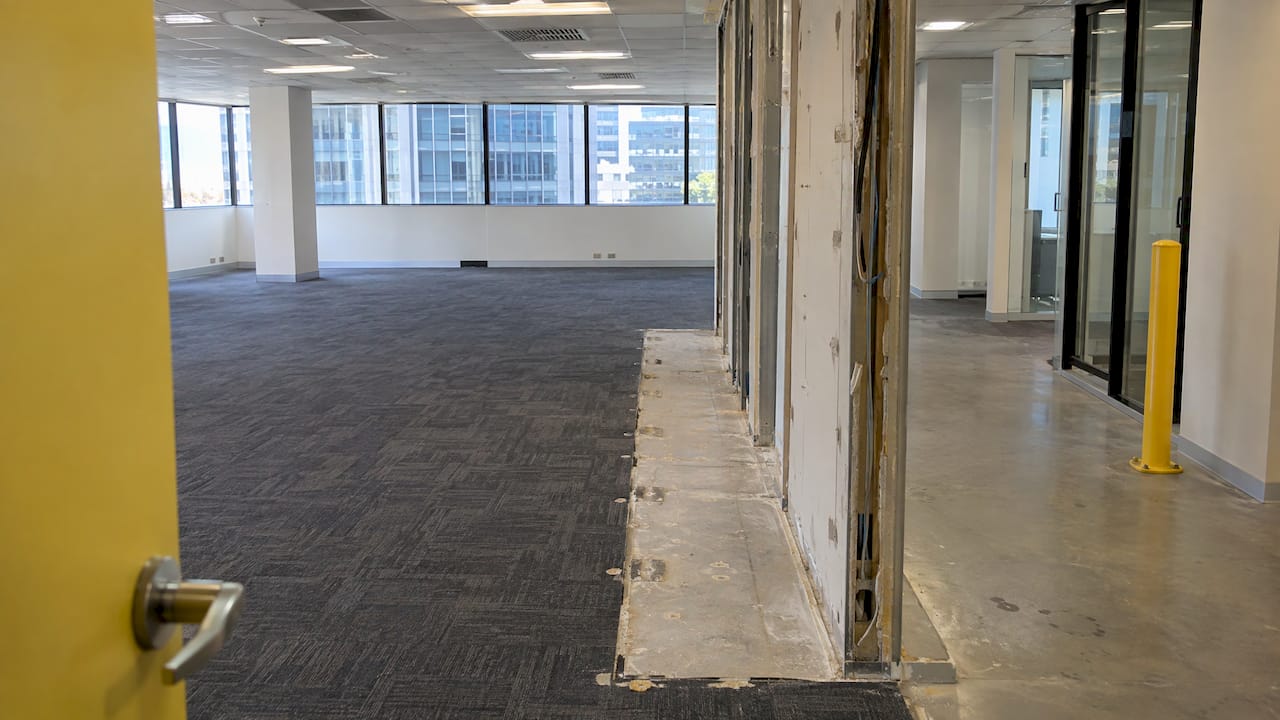
Reinstatement then sits on top of the strip out: once the fit-out is gone, ceilings, walls, floors and services are returned to the required finish.
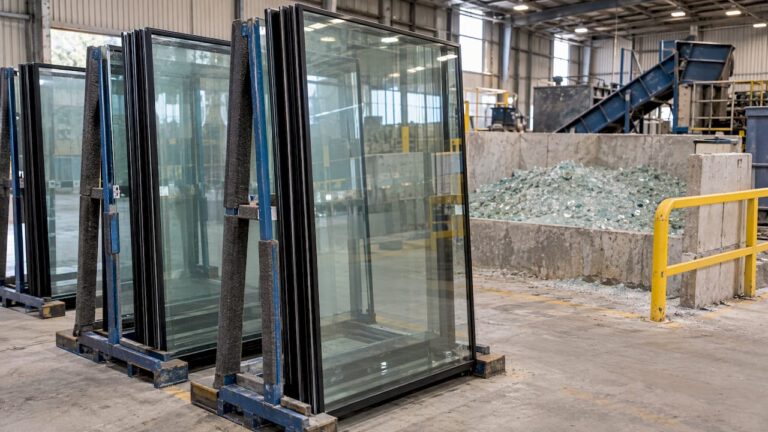
Because the strip out generates the bulk of the debris, it is where waste planning matters most. Plasterboard, carpet tiles, timber joinery, ceiling tiles, workstations and cabling all leave the building at once. Our guide to fitout demolition waste covers what that waste is and how to manage it.
Who decides which standard applies
Three things decide it, in this order:
- The lease. The make good clause, any schedule of works and any definitions of “original condition” or “base building”.
- Any legislation for your lease type. Retail leases have state rules, and Queensland’s default rule above is one example. Check the rules for your state and lease type.
- The evidence. A condition report with photographs from the start of the lease. The Queensland Small Business Commissioner lists limited or no evidence of the starting condition among the main causes of make good disputes, alongside vague clauses and disagreement over the quality of the work.
The RICS standard adds a useful legal frame: changes made during the term are called waste in make good law, and the removal of a tenant’s fit-out generally falls into the voluntary waste category, meaning changes the tenant chose to make. That is why fit-out removal is normally the tenant’s job.
If the wording is unclear or the sums are large, see a commercial leasing lawyer before you commit to either reading. The clause is a contract, and the legal reading is theirs to give.
Why the two sides often disagree
A frequent mismatch is that tenants assume make good means a light clean, while landlords read the clause as a full strip out and reinstatement, with a large cost gap between the two readings. Closing that gap early is the cheapest thing you can do.
The RICS checklist for make good points the same way. It advises establishing the premises’ condition at the start of the lease, reading the lease covenants, inspecting the premises, finding out what the landlord intends, giving a fair and reasonable cost assessment and engaging the other party at least 6 to 12 months before expiry.
The question to put to the landlord or their agent is direct: do you intend to refit the space for the next tenant? If so, you may be able to agree a payment instead of works. The NSW guide notes lessees can negotiate a payment to the lessor in lieu of carrying out the make good, and that a tenant who does not do the work will normally be liable for the lessor’s costs. A cash settlement is one of the common standards a clause can name.
How the cost is worked out
The RICS standard says the value of a make good claim is generally based on the cost of the works needed to bring the premises to the condition the lease requires. It can also be assessed as the drop in the premises’ value compared with a fully compliant condition.
In practice, the cost moves with:
- The standard. Repairs and clean is the cheapest. Reinstatement to bare shell is the most expensive, because ceilings, services and finishes are all in scope.
- The size and density of the fit-out. Many partitioned rooms and heavy joinery mean more labour and more tonnes to dispose of.
- Building access. Lift booking windows, loading dock hours and after-hours work rules affect labour and truck time in a CBD tower.
- Services. Air conditioning, electrical and data work often needs licensed trades, separate from the strip out and rubbish removal.
- Waste volume and type. Mixed waste, e-waste and timber are handled differently, and the volume drives the removal cost.
If your lease says disputed make good costs go to an independent quantity surveyor, the NSW guide notes retail leases often have a clause where the AIQS or another industry body nominates a certified surveyor to make a binding determination. Ask for the work to be itemised so a figure can be compared line by line.
For Melbourne-specific price ranges, see our guides to office make good costs and office strip out costs.
A worked example: one office, two clauses
Take a hypothetical tenant leaving a floor with an open-plan area, four meeting rooms, a reception counter, a kitchenette and structured data cabling.
Clause A: repair damage and leave clean. The tenant patches wall holes, repaints marked areas, cleans, returns keys. The fit-out stays. The waste is minimal: a few bins of rubbish and any furniture the tenant owns.
Clause B: reinstate to base building. The tenant removes the meeting room partitions, reception counter, kitchenette joinery, floor coverings and cabling, makes good the ceiling and walls, and restores the open floor. Now there are many cubic metres of mixed demolition waste, plus trades for the ceiling and services.

Same word, “make good”, and completely different projects. That is why the first step is never to book a contractor. It is to read the clause and write down, item by item, what it requires.
Planning the work step by step
1. Read the clause and the schedules. Highlight every verb: remove, repair, reinstate, redecorate, clean. Note anything that says “original condition” and find where that is defined.
2. Pull the start-of-lease evidence. Entry condition report, photos, any approved fit-out plans and landlord consents. These show what you were given and what the landlord approved you to add.
3. Open the conversation 6 to 12 months out. Ask what the landlord requires and whether they plan to refit. Get any agreement in writing. A written scope is the best protection against the “clean and tidy” versus “full strip out” argument.
4. Build an itemised scope. List each element to remove or repair. The Victorian Small Business Commission’s cost checklist is a good prompt: painting, flooring removal, external signs, cracked windows, partitions, items to return in working order and rubbish removal.
5. Separate the trades. Licensed services work, such as electrical or air conditioning, sits with the relevant licensed trade. The strip out and waste removal sit together.
6. Book strip out and removal as one job. When demolition and haulage are coordinated, debris does not pile up in the suite or the loading dock, and the building manager’s access windows are met once. We handle building strip out and commercial defits and the rubbish removal that comes with them, with experience across all types of Melbourne commercial buildings and a no mess, no damage approach to the property.
7. Do a joint inspection and get sign-off. Walk the space with the landlord or agent against the scope. The Victorian Small Business Commission notes that once the lease has ended and all obligations are met, the landlord must return the security deposit within 30 days, with interest earned. A clean sign-off is what releases it.
The waste side of make good
Office fit-outs are short-lived. The RICS standard reports that because average lease terms are five years or less, about 20% of office fit-outs are churned, demolished and refitted every year, and describes “triple waste”: the outgoing tenant, the refurbishing landlord and the incoming tenant each throw materials away. The standard’s checklist includes minimising waste by greening make good.
For a tenant, that means asking what can leave the building other than as landfill: furniture for reuse or recycling, timber, metal and e-waste. Our furniture disposal and recycling service takes the furniture side, and our carbon-neutral option is available to clients who choose to opt in to it for their disposal.
For a property manager, the same thinking applies when a tenancy turns over. A landlord-led refit still produces the waste, and planning its removal early keeps access windows and turnaround dates on track.
Where we fit in
We are a Melbourne rubbish removal company working with commercial and residential clients. For a make good or defit, we cover the strip out, the removal of the debris and the clearance that follows, including makegood and defit work, commercial office rubbish removal and office cleanouts. Bookings come with real-time notifications and a lateness credit, so a tight handover date has something behind it. Quotes are per project, and we promise to beat any written quote by 5%.
If you want the Melbourne-specific checklist for tenants, our office make good guide goes through it. If you are leaving a smaller premises or residential tenancy, our end of lease rubbish removal page covers bond-safe clearouts.
FAQ
Is reinstatement the same as make good?
No. Make good is the overall obligation to return the premises in the condition the lease requires. Reinstatement is one possible standard within it, where the space is restored to its original or base building condition. Some leases only require repairs and cleaning.
Is a strip out the same as make good?
Not quite. A strip out is the removal of the fit-out, such as partitions, joinery, floor coverings and cabling. It is often the main physical part of a make good, but a make good may also include repairs, painting and restoring ceilings or floors.
Can I pay the landlord instead of doing the make good?
Sometimes. The NSW Retail Tenancy Guide says lessees can negotiate a payment in lieu of doing the works. It needs the landlord’s agreement, ideally in writing, and is often easier when the landlord plans to refit the space anyway.
When should I start planning?
The RICS standard advises engaging the other party at least 6 to 12 months before the lease ends. That gives time to agree the scope, price the work and book the strip out and rubbish removal before the handover date.
What if the landlord and I disagree about the standard?
Check the clause first, then your start-of-lease evidence. The Queensland Small Business Commissioner recommends getting legal advice, negotiating, and considering mediation through its service for Queensland leases. In other states, your lawyer or the relevant small business commission can point you to the right process.
Sources
- Make good Australia, 3rd edition (RICS, October 2023)
- Make good, Queensland Small Business Commissioner
- NSW Retail Tenancy Guide 2022, NSW Small Business Commission
- Preparing for end of lease, Victorian Small Business Commission
- Make Good Clauses in Commercial Leases, Sprintlaw
- Make Good Disputes at Lease End, Astris Law