A warehouse clearance goes well when you do five things in order: assess the hazards, sort and classify everything, sort out the paperwork for regulated waste, remove stock and waste in a controlled sequence, then check the empty building before handover. Skip the first three and the last two get expensive. This checklist is written for Victorian warehouse operators, facility managers and tenants facing a lease exit, a relocation or a long-overdue cleanout.
TL;DR
- Treat a clearance as a high-risk job, not a tidy-up. Do a written hazard assessment first, covering structure, racking, chemicals, possible asbestos and forklift traffic.
- Sort waste by stream before anything leaves. In Victoria, e-waste (anything with a plug or battery) has been banned from landfill since 1 July 2019.
- If you produce reportable priority waste, it must be logged in the EPA’s Waste Tracker. You stay responsible for where your waste ends up, even when a contractor collects it.
- Keep aisles, exits and fire equipment clear while you work. Piles of waste are one of the easiest ways to block them.
- Finish with a documented walk-through and keep your dockets and receipts.
Table of Contents
- Before you start: decide what kind of clearance this is
- Step 1: Hazard assessment before anyone lifts anything
- Step 2: Take stock and sort into streams
- Step 3: Classify regulated waste and sort the paperwork
- Step 4: Plan the clearance sequence
- Step 5: Load-out and removal day
- Step 6: The empty-building walk-through
- A simple timeline for a mid-sized warehouse
- Where we can help
- FAQ
- Sources
Before you start: decide what kind of clearance this is
The same word covers quite different jobs, and the checklist changes with each.
- End-of-lease or make-good. The landlord expects the space returned to the standard in your lease. That usually means removing racking, mezzanines, fit-out, signage and floor markings as well as stock and rubbish.
- Relocation. You are moving good stock and equipment, and the waste is the by-product: pallets, packaging, broken shelving, obsolete inventory.
- Stock write-off or cleanout. The building stays in use, but years of dead stock, damaged goods and abandoned equipment need to go.
- Insolvency or inherited site. You may not know what is in the building. Assume unlabelled chemicals and unknown materials until proven otherwise.
Write down which one you are doing, who signs off the finished job, and the date the space must be empty. Every later step hangs off those three answers.
Step 1: Hazard assessment before anyone lifts anything
Many managers treat clearance as simple housekeeping. WorkSafe Victoria’s guidance treats poor housekeeping as a common cause of injuries, and clearing a building is housekeeping at its most intense: more people, more vehicles, more things stacked where they normally are not.
Before work starts, walk the site with the person who will supervise it and record:
- Structural risks. Damaged racking, leaning shelving, unstable stacks, weak mezzanine floors, roof leaks over stored goods.
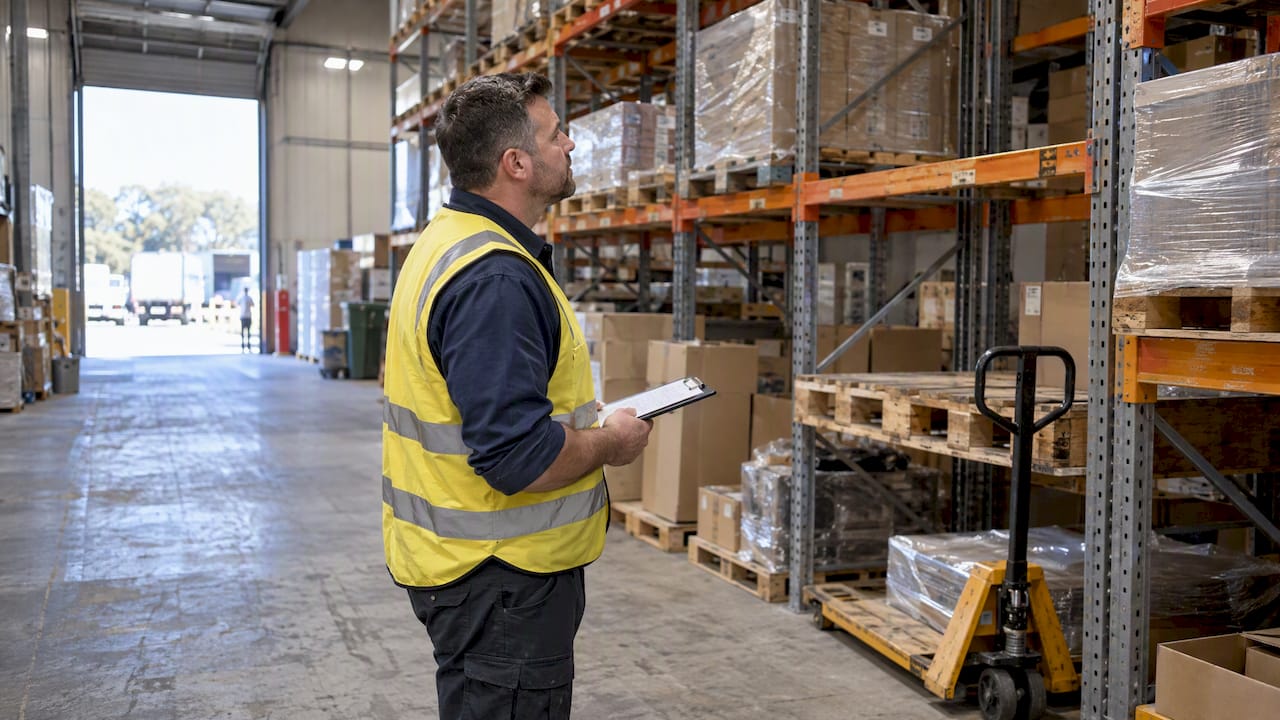
- Racking condition. WorkSafe’s small business handbook advises that racking should be secured to the floor, fitted with safety clips and protected from impact, with damaged beams and uprights repaired or replaced. Stripping a bay of stock changes the load on the rest, so check before you unload.
- Hazardous substances. Unlabelled drums, aerosols, batteries, solvents, pallet-wrap residues, spill kits that have been used and never replaced.
- Possible asbestos. Older warehouses may have asbestos in roofing, wall sheeting or lagging. If you suspect it, stop and get it assessed. Do not break it or clear around it.
- Traffic. Where forklifts, trucks and people will be working at the same time, and how you will separate them.
- Overheads. The forklift safety guidebook lists sprinkler systems, powerlines, roller doors, racking and roof trusses as overhead obstructions a mast could hit. A raised load of old stock is just as exposed.
Put the findings in a short written plan: who does what, what equipment is used, what is excluded from the job and who to call if something unexpected turns up.
Step 2: Take stock and sort into streams
Once the site is safe to work in, count what you have. A simple spreadsheet with a row per zone (dock, racking bays, mezzanine, offices, amenities, yard) is enough. For each item, decide one of five fates:
| Fate | Typical items | Notes |
|---|---|---|
| Keep and move | Current stock, good racking, forklifts | Label with destination |
| Sell or return | Surplus stock, used racking, pallets | Do this early; buyers need lead time |
| Donate or reuse | Furniture, shelving, tools | Get a written list for your records |
| Recycle | Timber, metal, cardboard, plastics, e-waste | Keep streams separate |
| Dispose | Contaminated, damaged or unclassifiable waste | Last resort |
That order is not just good practice. Victoria’s waste hierarchy puts avoidance, reuse and recycling ahead of energy recovery and disposal, with disposal as the last resort.
Common warehouse waste streams
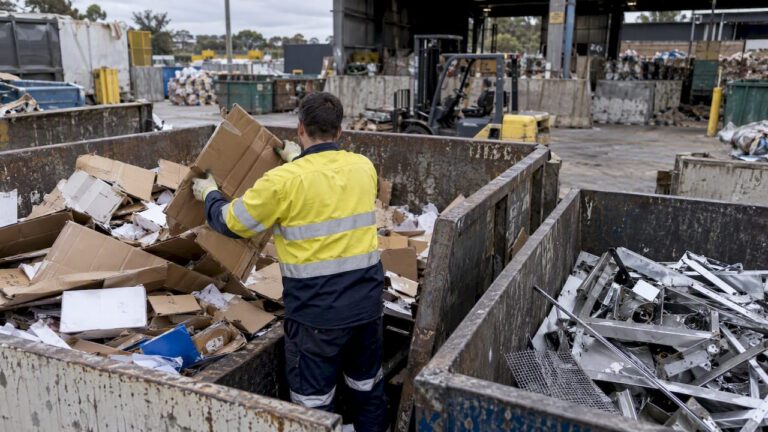
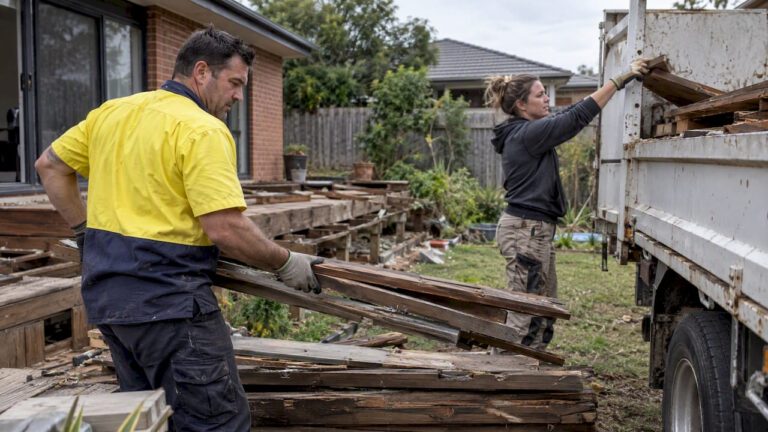
- Pallets and timber. Broken pallets, crating and offcuts often make up the biggest volume. Our guide to timber waste recycling for Victorian businesses covers what can be recovered.
- E-waste. Scanners, label printers, battery chargers, UPS units, monitors, handheld terminals, charging docks and broken lighting. Anything with a cord or battery cannot go in a general skip. See how e-waste is handled in Melbourne.
- Metal. Shelving, racking, cages, trolleys, offcuts.
- Cardboard and plastic wrap. Bulky but easy to recycle if kept dry and uncontaminated.
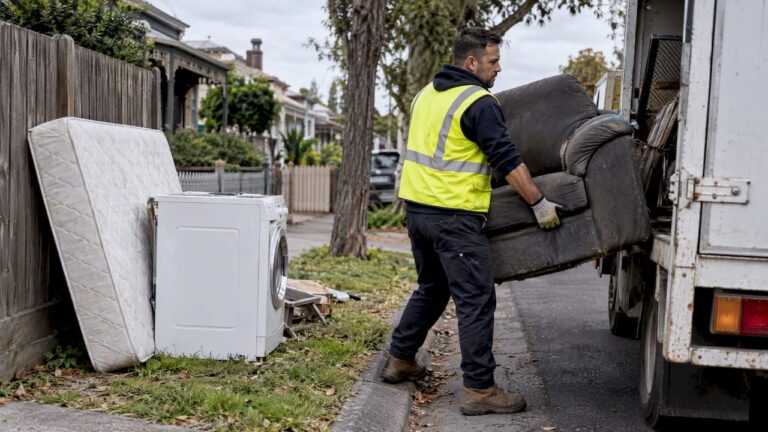
- Office and amenity items. Desks, lockers, lunchroom furniture, fridges. Our page on furniture disposal and recycling is a starting point.
- Building and fit-out waste. Partitions, floor finishes, ceiling tiles, cabling. Read how to dispose of building waste if the job goes beyond stock.
- Hazardous and regulated waste. Chemicals, oils, paints, asbestos-containing material. These get their own track, below.
Step 3: Classify regulated waste and sort the paperwork
This is where clearances most often go wrong. A common pitfall is failing to classify waste correctly before it leaves the site, because the producer is the one the regulator looks to.
Reportable priority waste and Waste Tracker
Some waste in Victoria is classed as reportable priority waste, which includes certain chemicals, strong acids and alkalis, and heavy metals. EPA Victoria says that if you handle it, you must notify the EPA every time it changes hands, for example from producer to transporter and from transporter to receiver, and Waste Tracker is the system for that.
Two points to take from EPA’s explanation of Waste Tracker:
- It does not replace your own commercial records, logistics or inventory systems. It captures where the waste was generated, who moved it and where it went.
- Using a contractor does not hand over your responsibility. The business that produced the waste keeps the duty to make sure it reaches a lawful destination.
The EPA’s guide to your duties as a waste producer suggests keeping the contract or invoice with the transporter, the transporter’s details (company name, ABN, vehicle registration, date and time of transport) and copies of dockets or receipts from the receiving facility. Put these in one folder for the clearance.
Asbestos
If any material is confirmed or presumed to contain asbestos, leave it to licensed professionals. Victoria’s asbestos guidance says the waste must go to an EPA-authorised site, that transporting industrial-sourced asbestos requires an EPA waste transport permit, and that the producer must use Waste Tracker to arrange lawful disposal. Packaging has to stay intact, and damaged packaging must be replaced before disposal. Do not put it near the general rubbish pile.
Questions to ask any contractor
- Do you hold the EPA permissions needed to transport the waste types on my list?
- Where does each stream end up (recycler, transfer station, landfill)?
- Will I get dockets or receipts for each load?
- Who makes the Waste Tracker entries for any reportable priority waste, and how will I verify them?
- Is the job covered for working inside an occupied or multi-tenant building?
Step 4: Plan the clearance sequence
The order of work matters more than speed. A reliable sequence for most warehouses:
- Secure the area. Barricade work zones, put up signage, brief everyone on entry and exit routes.
- Remove hazardous items first. Chemicals and anything unidentified leave before bulk waste, so they are not buried or damaged.
- Clear stock you are keeping or selling. Move it to its destination before waste is staged, so good goods are not mixed up with rubbish.
- Remove bulk waste in zones. Work from the back of the building to the dock, so you never trap yourself behind your own waste.
- Dismantle fixtures. Racking, mezzanines and partitions come down once they are empty, by people qualified to do it.
- Clean and make good. Floors, marks, anchor holes and fittings.
If there is concrete work, floor finish removal or minor demolition in a make-good, plan that as its own stage with its own dust and noise controls.
Keep aisles, exits and fire equipment clear
This is the rule that is easiest to break mid-clearance. WorkSafe’s housekeeping checklist says aisles and emergency routes must stay clear of obstructions at all times, and that emergency paths need a marking at least 50 mm wide in white, yellow or a contrasting colour, or glowing markers. Where forklifts run, employers must ensure safe clearance for walking, and keep pedestrian and mobile plant paths separate where reasonably practicable.
In practice:
- Do not stage waste in front of exit doors, extinguishers, hose reels, first aid kits or switchboards.
- Mark the waste staging area on the floor and keep it inside that line.
- Check at every shift break that exits are still visible and unblocked, because clearing aisles can accidentally hide them.
- Leave sprinkler clearance as it was. Tall stacks of waste near sprinkler heads are a problem for the building as well as for you.
For slips and trips, which spike when floors are covered in wrap, strapping and broken pallets, WorkSafe has a slips, trips and falls checklist employers can work through.
Forklifts and mobile plant
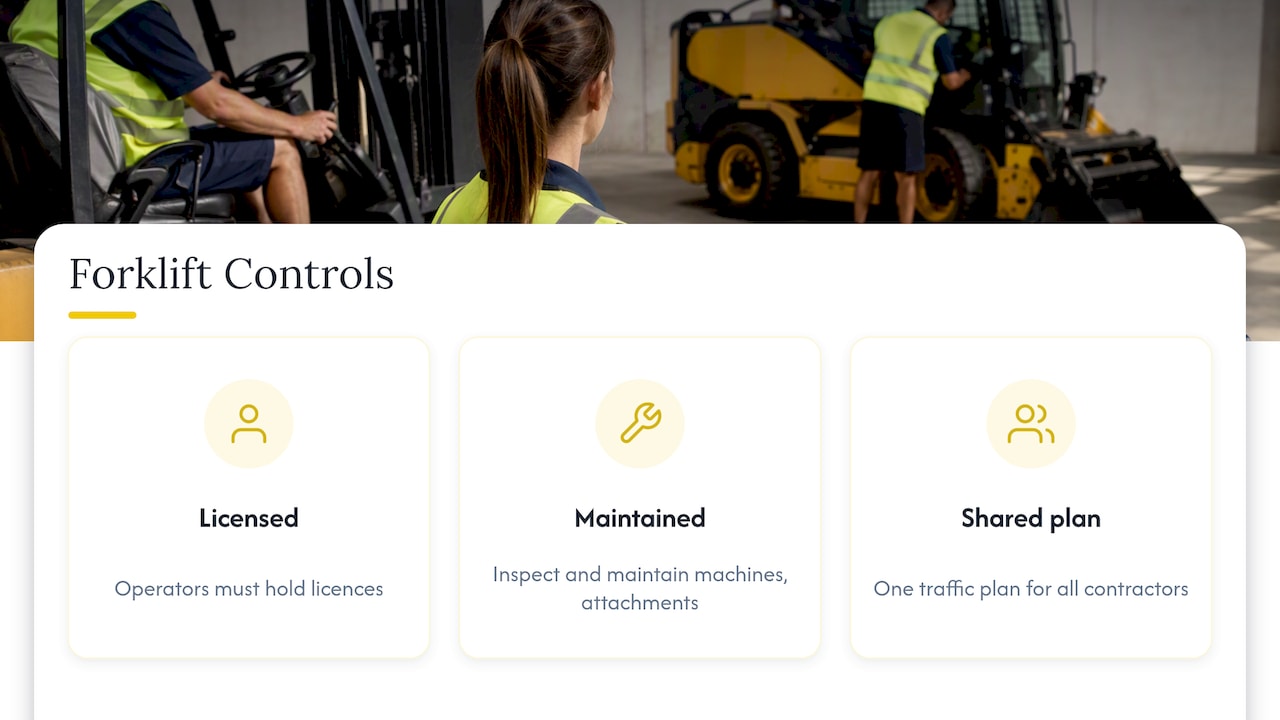
If forklifts are in use, confirm the operators are licensed and the machines have been inspected. WorkSafe says forklifts and attachments must be regularly inspected and maintained. Agree one traffic plan for all contractors on site, so your crew and an outside waste team are not working to different rules.
Step 5: Load-out and removal day
The day waste leaves the building is a good time to check that the paperwork matches the load.
- Access. Confirm dock bookings, truck height limits, loading zones, lift or door size, and building management rules for multi-tenant sites. Book the loading dock or street permits ahead if needed.
- Load list. Record what goes on each truck: stream, approximate volume and destination.
- Supervision. Have one named person on site who can say no to an unsafe lift or an unexpected item.
- Hold items. Set aside anything unidentified for separate handling rather than adding it to a general load.
- Photos. Take dated photos of the space before, during and after. They are useful evidence in a make-good dispute.
Our checklist for preparing rubbish for removal explains the common reasons items get rejected on the day, which saves a second trip.
Step 6: The empty-building walk-through
Before you hand back the keys or sign off the job, walk the building with your checklist and, for a lease exit, the lease make-good clause beside you.
- All stock, pallets, racking and loose items removed from every zone, including mezzanines, roof spaces, yard, and under-dock areas.
- Floors swept and free of oil, adhesive, strapping and floor-marking residue as your lease requires.
- Anchor bolts, wall fixings and signage addressed.
- Amenities, offices and lunchrooms empty and clean.
- Fire equipment and exit signs in place and working, where they belong to the building.
- Bins and skips removed from the property.
- Dockets, receipts and Waste Tracker records filed with the job folder.
- Keys, access cards and remote controls collected.
If you are leaving a commercial tenancy, our office relocation waste checklist covers the office side of the same exit.
A simple timeline for a mid-sized warehouse
There is no standard duration, because it depends on volume, access and the amount of dismantling. As a planning guide, work backwards from the handover date:
| When | What to do |
|---|---|
| 6 to 8 weeks out | Read the lease clause, appoint a supervisor, start the stock list |
| 4 to 6 weeks out | Hazard assessment, identify regulated waste, sell or donate surplus |
| 3 to 4 weeks out | Get written quotes, confirm contractor permissions and building access |
| 1 to 2 weeks out | Brief staff, set staging zones, remove hazardous items |
| Clearance days | Remove in zones, check exits each shift, record loads |
| Final days | Clean, walk-through, photos, landlord inspection |
If your timeline is tighter, cut the selling and donating step first, not the hazard assessment.
Where we can help
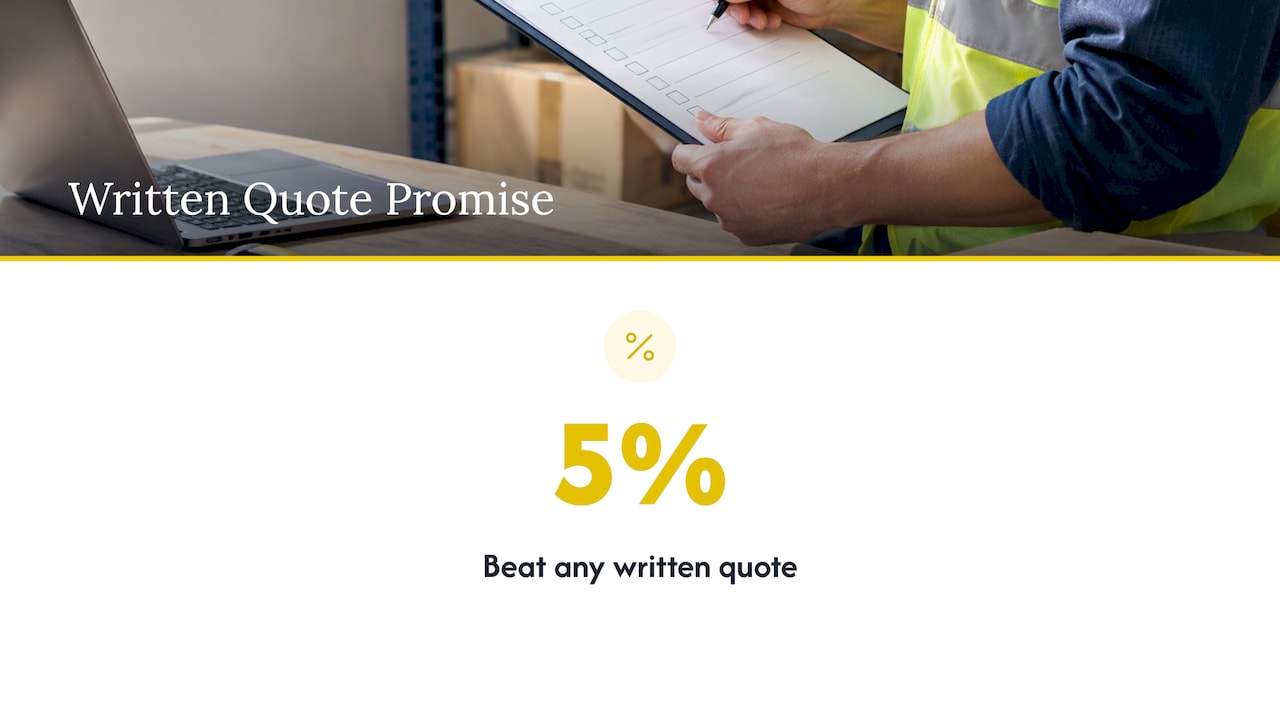
We handle rubbish removal for commercial and industrial clients across Melbourne, including construction and building waste, strip-outs, make-good and de-fit work, furniture and joinery removal, and e-waste. You can opt in to carbon-neutral disposal. Our punctuality promise includes real-time notifications and a lateness credit, and we promise to beat any written quote by 5%.
If you have a warehouse to clear, request a quick quote with a list of what is in the building and your handover date, or browse everything we do.
FAQ
How do I clear out a warehouse step by step?
Assess hazards, sort items into keep, sell, donate, recycle and dispose, then classify and document any regulated waste. Remove hazardous items first, clear in zones while keeping exits open, and finish with a walk-through and photos. Keep all dockets and receipts.
Do I need a risk assessment before clearing a warehouse?
It is the sensible first step, and WorkSafe Victoria treats poor housekeeping as a real injury risk. Cover racking, chemicals, possible asbestos, forklift traffic and exits. If you are unsure of your duties, speak to WorkSafe Victoria or a qualified OHS adviser.
Who is responsible for waste after a contractor takes it away?
The business that produced the waste keeps responsibility for where it ends up. EPA Victoria says producers must verify transporter permissions and make sure reportable priority waste is logged in Waste Tracker. Ask your contractor for dockets or receipts for every load.
Can I put old electronics and batteries in a skip?
No. E-waste, meaning anything with a power cord or battery, has been banned from Victorian landfill since 1 July 2019. Separate it and send it to an e-waste recycling service.
What should I do if I find suspected asbestos?
Stop work in that area, keep people away and arrange assessment by a qualified professional. Asbestos waste must go to an EPA-authorised site and needs an EPA waste transport permit for industrial transport.
Sources
- EPA Victoria: What is Waste Tracker
- EPA Victoria: Waste Tracker
- EPA Victoria: Managing industrial waste, your duties as a waste producer
- Asbestos Victoria
- WorkSafe Victoria: Site housekeeping inspection checklist
- WorkSafe Victoria: 12 ways to make small business safer
- WorkSafe Victoria: Forklift safety guidebook
- WorkSafe Victoria: Forklift maintenance and inspection
- WorkSafe Victoria: Preventing slips, trips and falls under 2 metres