If you own or manage a business in the Melbourne CBD, it’s important to know exactly what your obligations and opportunities are regarding recycling. No matter what type of business or building you manage, there’s a good chance you produce waste that can be recycled. The good news is that done right, recycling can be easy!
At Melbourne City Rubbish, we always promote sustainable outcomes for our clients’ waste. That means that we will always look for a way to recycle waste, or repurpose it. This prevents waste from simply being dumped into landfills, where over time, it can cause all sorts of issues. In this article, we’ll look at everything you need to know about various types of recycling in the Melbourne CBD.
Click here to talk to us about waste management.
Understanding Melbourne’s recycling infrastructure
Melbourne boasts an advanced recycling system designed to cater to the diverse needs of businesses. The city has implemented kerbside recycling programs, specialised recycling facilities, and waste management services to handle commercial rubbish. However, not all recycling is created equal, and it’s important to understand what can and cannot be recycled to avoid contamination.
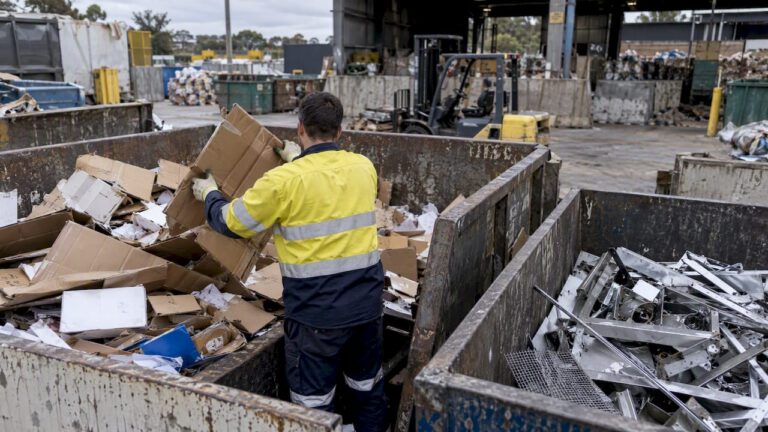
Glass, paper, cardboard, certain plastics, and metals are the staples of Melbourne’s recycling system. However, items such as soft plastics, electronic waste, and organic waste often require specialised handling. Businesses in the CBD can benefit from partnering with waste management services, like Melbourne City Rubbish, to ensure all recyclable materials are correctly sorted and processed.
Common recycling mistakes to avoid
Recycling might seem straightforward, but mistakes can render entire batches of recyclables unusable. A common error businesses make is mixing general waste with recyclables. Contaminants such as food residues, non-recyclable plastics, and hazardous materials can ruin otherwise recyclable items.
Another frequent mistake is “wish-cycling” — the practice of placing non-recyclable items in recycling bins in the hope they’ll be recycled. Items like coffee cups, Styrofoam packaging, and greasy pizza boxes are often non-recyclable and must be disposed of properly.
To avoid these pitfalls, ensure that bins are clearly labelled, and staff are educated on what belongs where. A periodic review of your business’s waste disposal practices can go a long way in maintaining compliance and reducing contamination rates.
The importance of waste separation
One of the keys to effective recycling in the Melbourne CBD is waste separation. By sorting materials at the source, businesses can significantly reduce the risk of contamination and improve recycling efficiency. Mixed recycling bins, while convenient, often lead to confusion and improper sorting. Implementing dedicated bins for specific materials like paper, plastics, and glass can streamline the recycling process.
For businesses that produce large volumes of waste, such as restaurants, retailers, and offices, investing in a comprehensive waste management plan is essential. Partnering with professional rubbish removal services ensures that all materials are correctly sorted, transported, and processed in accordance with Melbourne’s recycling guidelines.
How businesses can benefit from recycling
Recycling is not just about environmental responsibility; it also offers tangible benefits for businesses. Adopting sustainable waste management practices can enhance your brand’s reputation, attract eco-conscious clients, and even reduce operational costs. Many recycling services provide businesses with detailed reports on waste reduction, which can be valuable for meeting corporate sustainability goals.
Moreover, businesses that recycle effectively may be eligible for incentives and rebates provided by the local government. These programs are designed to encourage sustainable practices and can offset the costs of waste management services. Melbourne City Rubbish, for example, offers tailored solutions to help businesses maximise these benefits while minimising environmental footprint.
Specialised recycling services for businesses
Certain types of waste require specialised recycling services, particularly in the Melbourne CBD where space and regulations are often restrictive. Electronic waste (e-waste), for instance, is one of the fastest-growing waste streams in the world. Items like computers, mobile phones, and printers contain valuable materials that can be recovered and reused but must be handled by certified e-waste recyclers.
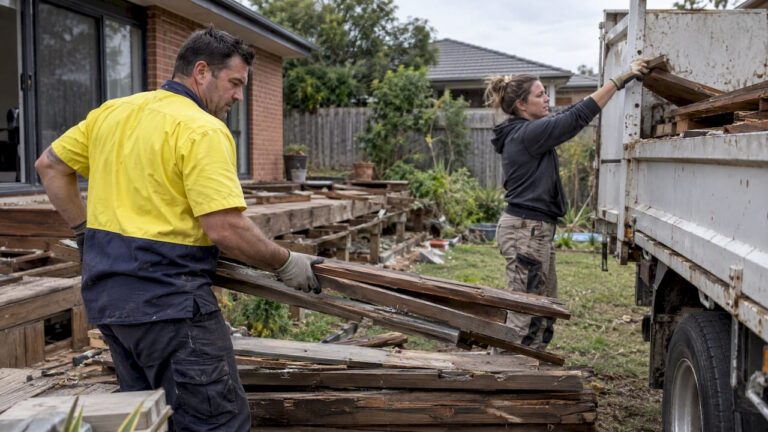
Similarly, construction and demolition (C&D) waste — which includes materials like concrete, timber, and metal — requires specialised facilities for processing. Businesses involved in renovations or large-scale projects should work with rubbish removal companies that offer expertise in managing C&D waste.
For businesses generating organic waste, composting services are a sustainable option. Food scraps, garden waste, and other biodegradable materials can be converted into nutrient-rich compost, reducing the volume of waste sent to landfills.
Staying compliant with local regulations
Melbourne’s waste and recycling regulations are designed to promote sustainability while ensuring public health and safety. Businesses are required to separate recyclables from general waste and may face penalties for non-compliance. Additionally, there are strict rules regarding the disposal of hazardous materials, which include chemicals, batteries, and medical waste.
To avoid potential fines and legal issues, businesses should stay informed about the latest regulations and best practices. Partnering with a reliable rubbish removal company, such as Melbourne City Rubbish, can help ensure that your waste management processes align with local requirements. We are well-versed in Melbourne’s recycling laws and can provide guidance tailored to your specific needs.
Speak to Melbourne City Rubbish today
Recycling in the Melbourne CBD is a responsibility that we all have to take on. By understanding the city’s recycling infrastructure and how to ensure your waste is recycled, you can play an important role in reducing waste and looking out for the environment. Our team at Melbourne City Rubbish is always here to help.
Click here for a free quote today.
FAQs about recycling processes and procedures
What should businesses do with electronic waste?
Electronic waste should never be placed in general waste or kerbside recycling bins. Instead, businesses can take advantage of Melbourne’s e-waste recycling facilities or work with professional waste removal services that specialise in handling electronics.
How can businesses reduce contamination in recycling bins?
To minimise contamination, ensure that all recyclable items are clean and dry before disposal. Educate staff on proper sorting practices and provide clearly labelled bins for different types of waste.
Are there penalties for improper waste disposal?
Yes, businesses can face fines and other penalties for failing to comply with Melbourne’s waste disposal regulations. Working with a professional rubbish removal service can help avoid these issues.
What are the benefits of hiring a professional waste removal service?
Professional waste removal services offer expertise, convenience, and compliance assurance. They handle sorting, transportation, and processing, saving businesses time and effort while ensuring that all waste is managed responsibly.
Can businesses recycle soft plastics?
Soft plastics are not accepted in kerbside recycling bins but can be recycled through specialised programs. Many rubbish removal companies offer services for collecting and recycling soft plastics.