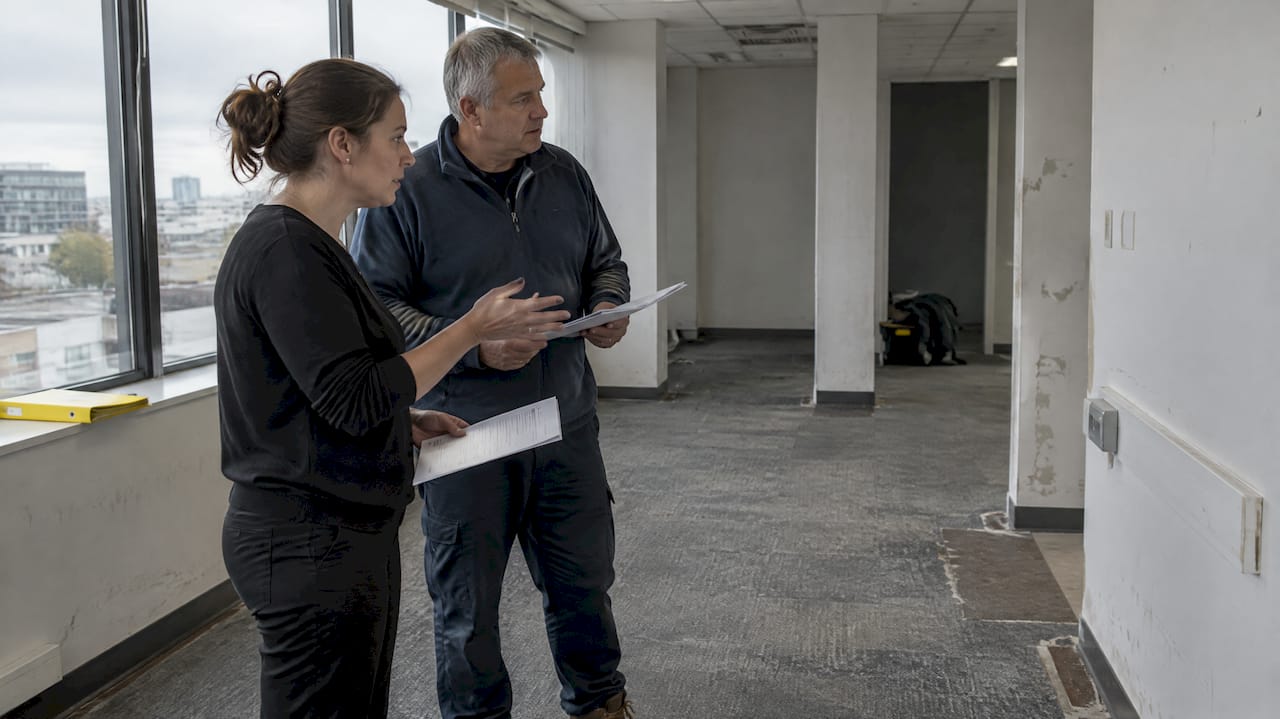
Make good in Australia usually means removing your fit-out, repairing anything beyond fair wear and tear, repainting, and returning the base building services to the condition the lease specifies, or paying a cash settlement instead, as outlined by the Queensland Small Business Commissioner. The single most useful thing you can do right now is pull out your lease, read the make-good clause word for word, and track down (or commission) a schedule of condition from the start of your tenancy.
TL;DR:
- It is essential to review the lease’s make-good clause and may include removing fit-out elements and restoring condition to the original, base building, or fair wear and tear.
- Engaging an independent surveyor to produce a detailed schedule of condition at the tenancy start helps avoid disputes over the property’s state at lease end.
- Starting make-good preparations 6 to 12 months before lease expiry reduces rush costs and helps negotiate better settlement terms with the landlord.
- Cost estimates for physical works should be supported by quotes and clear documentation to prevent disputes over settlement figures.
- Negotiating lease clauses early, including reference dates and scope of work, enhances control over make-good obligations and settlement outcomes.
Table of Contents
- What make good means in Australian leases and the legal background
- Common make-good items and lease wording to watch for
- How to prepare: schedule of condition, documentation and who to instruct
- How you can meet make-good obligations: physical works, access issues and cash settlements
- Timeline, costs and permitting: what to budget for and when to start
- Negotiation checklist: what to ask, propose and document
- Practical tenant make-good checklist (12 months to handover)
- How we help with make-good works and lawful waste removal
- FAQ
- Sources
- Key legislation and authoritative guidance to consult
What make good means in Australian leases and the legal background
Make good is a contractual obligation, not a general legal duty. It exists because your lease says it exists, and the exact wording of that clause, not some industry norm, decides what you owe at the end of your tenancy.
State legislation sits underneath the lease rather than overriding it. The Property Law Act and equivalent retail leases legislation set default rules about returning premises, but landlords and tenants are generally free to contract around those defaults. That is exactly why vague make-good clauses cause so much grief: when the lease is silent or ambiguous, parties fall back on statute, industry custom, and eventually negotiation or litigation to work out what “returning the premises” actually requires.

Fair wear and tear is the other key concept. You are not responsible for the gradual deterioration that comes from ordinary use over the lease term, things like faded paint or worn carpet from foot traffic. Damage from a specific event like a burst pipe, an insured incident, or a structural failure usually falls outside your make-good obligation too, though the lease may deal with these differently depending on how it is drafted. The practical result is that two tenants in near-identical premises can owe very different amounts at lease end, purely because their leases used different words.
Common make-good items and lease wording to watch for
Landlords typically expect tenants to deal with the elements they added or altered during the tenancy, plus anything the lease specifically nominates.
- Partitions, demountable walls, and any internal fit-out structures installed after the commencement date.
- Signage, branding, and anything fixed to the facade or common areas.
- Data and power cabling run above ceilings or under raised floors.
- Flooring, including carpet tiles, vinyl, and any adhesive residue left behind.
- Ceilings, light fittings, and air-conditioning modifications made for your fit-out.
- Joinery, kitchenettes, and built-in furniture.
- Paint and wall finishes, particularly where branding colours were applied.
The wording around these items matters as much as the list itself. “Original condition” usually ties your obligation back to a specific point in time, often the commencement date, while “base building condition” can mean something quite different depending on what the landlord delivered at handover. “Good repair” is softer again, implying a standard rather than a fixed state. Disputes commonly erupt because the lease uses one of these phrases loosely, without defining a reference date or attaching a schedule that pins down what “original” or “base building” actually looked like. A clause that simply says “return to its original condition” with no supporting documentation leaves both sides arguing from memory.
How to prepare: schedule of condition, documentation and who to instruct
A schedule of condition is the single document that turns a subjective argument into an objective one. Prepared properly, by an independent surveyor, it includes dated photographs of every space, written descriptions of fixtures, finishes and services, and a clear statement of the premises’ state at a defined point in time.
- Request or locate the schedule of condition from the start of your tenancy; if none exists, commission one before you make any fit-out changes.
- Build a running file of contractor invoices, as-built plans, and correspondence with the landlord about approved alterations.
- Photograph and, where useful, video the premises at key milestones, not just at the end.
- Engage a building surveyor or quantity surveyor early to assess likely make-good scope and cost before it becomes urgent.
- Ask any specialist trades involved (data cabling, air-conditioning, signage) to certify their own removal work once complete.
The RICS Make Good guide for Australia recommends preparing a formal Schedule of Make Good, treating it as a statement of fact that can include cost estimates and support either negotiation or a dispute if one arises. That schedule becomes your reference point against the landlord’s expectations, and against the original condition report if one exists.
Pro Tip: Ask your surveyor to flag any items where the lease wording is ambiguous, not just the physical scope, before you commit to a contractor’s quote.
How you can meet make-good obligations: physical works, access issues and cash settlements
Most leases give you two realistic paths: carry out the physical works yourself, or pay the landlord a sum instead. Each has its own mechanics and risks.
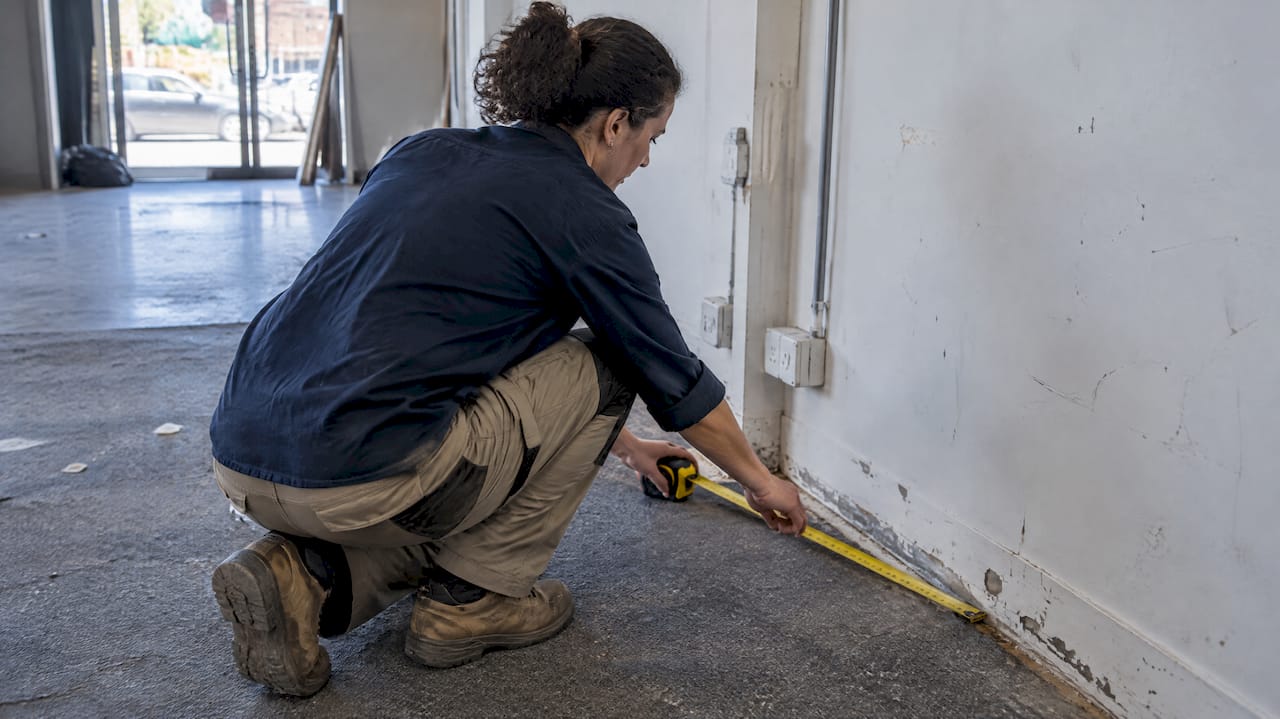
- Physical works mean engaging a builder, scoping demolition and reinstatement, obtaining any required permits, and coordinating access with the landlord, who may restrict working hours or require a certifier to sign off before handover.
- Cash settlement means agreeing a dollar figure instead of doing the work, usually based on an independent valuation or quoted cost of the works, with clear release terms and a receipt once paid.
- Landlords often prefer damages over reinstatement when they plan to refurbish or redevelop the space anyway, since physical make-good works would simply be undone.
- If a landlord re-enters the premises before you finish your works, you can lose the right to complete make-good yourself, and the remedy often shifts to a damages claim, so check your lease’s notice and re-entry provisions carefully.
Whichever route applies, get the basis for any cash figure in writing before you pay it. A settlement calculated on a vague “estimated cost” with no supporting quote is exactly the kind of thing that resurfaces as a dispute months later.
Timeline, costs and permitting: what to budget for and when to start
Lease-end timing catches tenants out more often than the scope of works itself. Starting the make-good process 6 to 12 months before lease expiry is the timeframe recommended in the RICS Make Good guide, and it exists for a reason: leaving it later usually means paying rush premiums or being forced into a cash settlement on the landlord’s terms.
Cost is driven mainly by the scale of your original fit-out. A simple office with painted partitions and carpet tiles is a different proposition to a space with structural mezzanines, heavy services reticulation, or specialist plant. Building permits add their own lead time, particularly where structural elements or fire safety systems are involved, and heritage or planning overlays on the building can add weeks to an already tight schedule.
A sensible budget allows for:
- Demolition and removal of fit-out elements.
- Repainting, flooring replacement or repair, and ceiling reinstatement.
- Specialist trade certification for services disconnection and reinstatement.
- Permit fees and any required safety sign-off.
- A contingency for defects discovered once walls and ceilings come down.
Building in a buffer for permits and inspections, rather than assuming works will run smoothly from day one, is what separates a predictable lease exit from an expensive scramble in the final weeks; understanding what tenants typically install and how removal scope is agreed is crucial, as explained in this full fit-out sourcing guidance for London and beyond.
Negotiation checklist: what to ask, propose and document
Make-good obligations are negotiable long before lease expiry, and the earlier you raise them, the more leverage you have.
- Ask the landlord directly about their plans for the space: refurbishment or redevelopment often reduces their actual loss, which can support a lower settlement or a waiver of reinstatement.
- Ask whether they would accept a cash settlement instead of physical works, and what evidence they would need to agree a figure.
- Negotiate the reference date, excluded items, and fit-out consent conditions into the lease itself rather than relying on side conversations.
- Get an independent quote for the likely scope of works before you accept the landlord’s figure or estimate.
- Put every offer, concession, and agreed scope in writing, including timing for access and completion.
Ambiguous or undefined make-good clauses remain one of the most common sources of dispute at lease end, according to legal commentary on avoiding make-good disputes, which recommends defining the reference date and consent conditions clearly from the outset. If your lease is registered, make sure any agreed concessions are written into the registered document itself, since informal side letters may not bind a future owner.
Pro Tip: Raise the make-good conversation with your landlord a full year out, even informally. Landlords who know your intentions early are often more flexible on scope and settlement figures than those cornered in the final weeks.
Practical tenant make-good checklist (12 months to handover)
A predictable lease exit comes down to sequencing. Working backwards from your expiry date keeps the process manageable and avoids last-minute cost blowouts.
- 12 months out: Review the lease clause in full, locate or commission a schedule of condition, and start a paper trail of fit-out documentation.
- 6 months out: Request the landlord’s expectations or a draft schedule, and get at least two independent quotes for the likely scope of works.
- 3 months out: Book contractors, lodge any required permits, and confirm access arrangements with the landlord in writing.
- Final month: Complete works, carry out a final clean, and secure a signed sign-off from the landlord or their representative.
When comparing quotes, insist on clarity around scope, exclusions, required permits, and insurance cover, since a cheap quote that excludes permit costs or disposal fees is not actually cheaper. At handover, you want a photographic record of the finished space, a signed sign-off document, confirmation that keys and access cards have been returned, and a receipt if you have paid a cash settlement or final invoice.
How we help with make-good works and lawful waste removal
Once you have your final schedule from the landlord, the physical side of make good, stripping out partitions, clearing joinery, and disposing of everything lawfully, is where we come in. We handle makegood and de-fit work across Melbourne’s commercial buildings, alongside office strip-outs, construction waste removal, and fast quick quotes when your landlord’s timeline is tight.
- We clear fit-out debris, old furniture, and construction waste with options for eco-friendly disposal.
- We work to the access windows and timing required, minimising disruption to the rest of the building.
- We offer competitive pricing to help when you are juggling multiple contractor costs at once.
We are the team for the physical works and lawful disposal side of your exit. For the legal wording of your clause or the settlement figure itself, pair us with a building surveyor or solicitor. If you are already planning your end of lease rubbish removal, get in touch and we will scope the clearout around your final schedule.
FAQ
What does “make good” mean in a commercial lease?
Make good is the contractual requirement to return leased premises to a specified condition at the end of the tenancy, typically by removing fit-out, repairing damage beyond fair wear and tear, and restoring base building finishes, as set out by the Queensland Small Business Commissioner. The exact scope depends entirely on your lease wording, not on a general industry standard.
Can I pay cash instead of doing the physical make-good works?
Yes, cash settlement is a common alternative to physical works, where you and the landlord agree a dollar figure instead of you carrying out reinstatement yourself. The calculation basis and release terms need to be clearly documented in writing to avoid disputes once the payment is made.
When should I start preparing for make good?
Industry guidance, including the RICS Make Good guide, recommends starting 6 to 12 months before lease expiry to allow time for quotes, permits, and negotiation. Leaving it later often forces rushed works at premium rates or a cash settlement on less favourable terms.
Am I responsible for fair wear and tear?
No, fair wear and tear from ordinary use over the lease term is generally excluded from your make-good obligation. Damage from a specific event, such as an insured incident, is usually treated separately, though the exact treatment depends on your lease’s own wording.
What happens if I do not complete make-good works before handover?
If a landlord re-enters the premises before you finish your works, you can lose the opportunity to complete make-good yourself, and the matter often shifts to a damages claim instead. Checking your lease’s notice and re-entry provisions early, as recommended in RICS guidance, helps you avoid losing that control.
Sources
- Make good: Australia 3rd edition (RICS) — October 2023
- Make good – Queensland Small Business Commissioner
- Preparing for end of lease — Victorian Small Business Commission
- Legislation
Key legislation and authoritative guidance to consult
- Make good – Queensland Small Business Commissioner
- Preparing for end of lease – Victorian Small Business Commission
- Property Law Act (Victoria)
- Make good: Australia 3rd edition (RICS)
- RICS make-good guidance (extract)
- How can landlords and tenants avoid make good disputes? – Mondaq