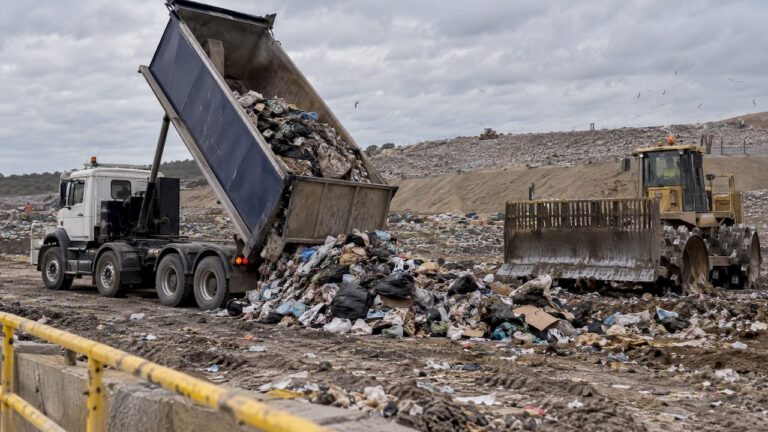
Most junk removal jobs in Melbourne go smoothly until one item is on the pile that nobody can legally put on a truck. The usual culprits are asbestos, liquid chemicals, gas bottles, batteries, tyres, medical sharps and some electronics. Councils, skip companies and private removalists all refuse versions of this list, and the reasons are safety, Victorian law and what landfills are licensed to accept.
This guide explains what is prohibited, why, and what to do with each item instead, so your clean-out, office move or build does not stall on the day.
TL;DR
- Asbestos, liquid waste (paint, oil, solvents, chemicals), gas bottles, batteries, tyres, medical sharps and putrid food waste are the items most commonly refused by councils, skip hire and junk removers.
- In Victoria, e-waste is banned from landfill for households and businesses alike, so electronics need a recycling pathway.
- Council hard waste is for residents only. Businesses, retail and commercial addresses must use a private provider.
- Responsibility for classifying waste sits with the person who produces it, not just the truck driver.
- Tell your removalist about every item when you book. A short list up front avoids refused loads and extra visits.
Table of Contents
- Why some items are prohibited
- The items most often refused
- Asbestos: the one that stops a job
- Liquids, paint and household chemicals
- Batteries, gas bottles and fire risk
- Electronics: banned from landfill, not from disposal
- Building and demolition waste
- Council hard waste: who it is for
- What businesses and property managers need to know
- What the penalties look like
- How to prepare for a junk removal booking
- How we work with restricted items
- FAQ
- Sources
Why some items are prohibited
There are three reasons an item gets refused, and knowing which applies helps you find the right alternative.
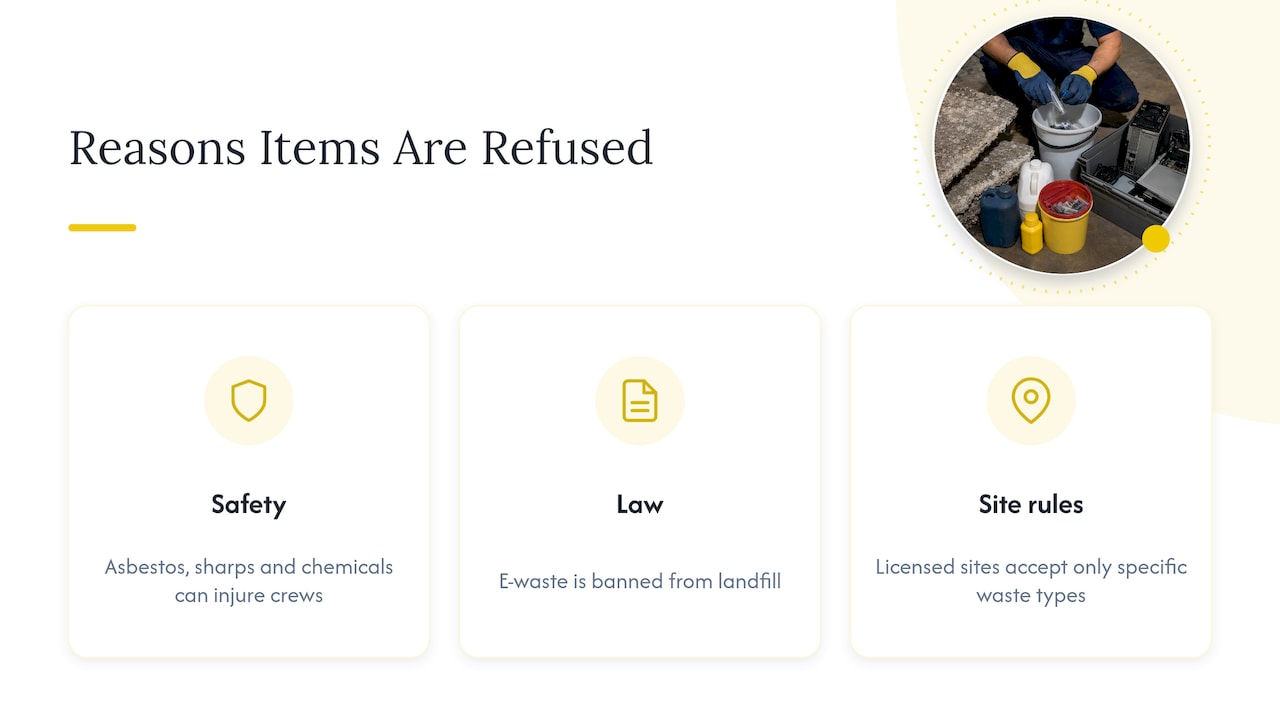
Safety for people. Asbestos fibres, sharps, gas cylinders and chemicals can injure crews, start fires in the truck or release harmful vapour when compacted. This is why a crew will stop a job rather than load them.
Law. Victoria’s Environment Protection Act 2017 framework requires industrial waste to be classified, transported by those with duties, and sent to a lawful place. Certain materials, such as e-waste, are banned from landfill entirely.
Where the waste ends up. A standard transfer station or landfill is licensed for specific waste types. A removalist cannot tip something that the receiving site is not authorised to take, however willing the crew is to lift it.
The items most often refused
Council hard waste pages show a consistent pattern. The City of Melbourne and other metropolitan councils reject hazardous items including asbestos, liquids such as paint and oil, gas bottles, batteries and building or demolition materials like bricks, concrete and soil. Skip bin and junk removal companies publish near-identical lists.
| Item | Why it is refused | What to do instead |
|---|---|---|
| Asbestos and fibro | Fibres cause serious lung disease when disturbed | Licensed removalist, or an authorised landfill for small household amounts |
| Paint, oil, solvents, chemicals | Leak, ignite or contaminate | Detox Your Home events, or industrial waste handlers for business quantities |
| Gas bottles and fire extinguishers | Pressure and explosion risk | Supplier return or specialist handler |
| Batteries (car, lithium, tool) | Fire risk in trucks and sorting plants | Dedicated battery collection |
| Tyres and engine blocks | Special recycling streams | Tyre recyclers, mechanics, scrap yards |
| Medical sharps | Injury and infection risk | Pharmacy or council sharps programs |
| Food and putrid waste | Odour, pests, contamination | Food waste or general bin |
| E-waste | Banned from Victorian landfill | E-waste recycling |
| Bricks, concrete, soil (in household streams) | Heavy and classed as building waste | Construction waste service |
A caution about lists: each provider has its own. Check the one for the service you are booking rather than assuming another company’s list applies.
Asbestos: the one that stops a job
If a building was built before the late 1980s, fibro sheeting, old eaves, vinyl floor backing and pipe lagging can all contain asbestos. If you suspect it, stop. Do not drill, sand, break or sweep it, and do not put it in a bin or on a junk truck.
The EPA’s guidance on transporting and disposing of waste asbestos is clear that asbestos, especially friable asbestos, must be handled by the right people and never mixed with other waste. Asbestos is also not recycled or reused.
For homeowners, EPA Victoria says household asbestos must go to a landfill authorised to receive it. You need to call the landfill first, because authorised sites can still decline it and may require a booking. It must be packaged correctly, and only a small amount is accepted as domestic waste. Business and industrial asbestos follows stricter rules, including a licensed transporter.
The practical steps:
- Have a suspect material tested or assumed to be asbestos before work starts.
- For anything beyond a small, intact domestic amount, engage a licensed asbestos removalist.
- Keep the area clear of other trades until it is cleared.
- Only once the asbestos is gone should a junk or construction waste crew clear the remaining debris.
If you are planning a strip-out or demolition, ask for an asbestos register or inspection early. It is cheaper to find it in week one than in week four.
Liquids, paint and household chemicals
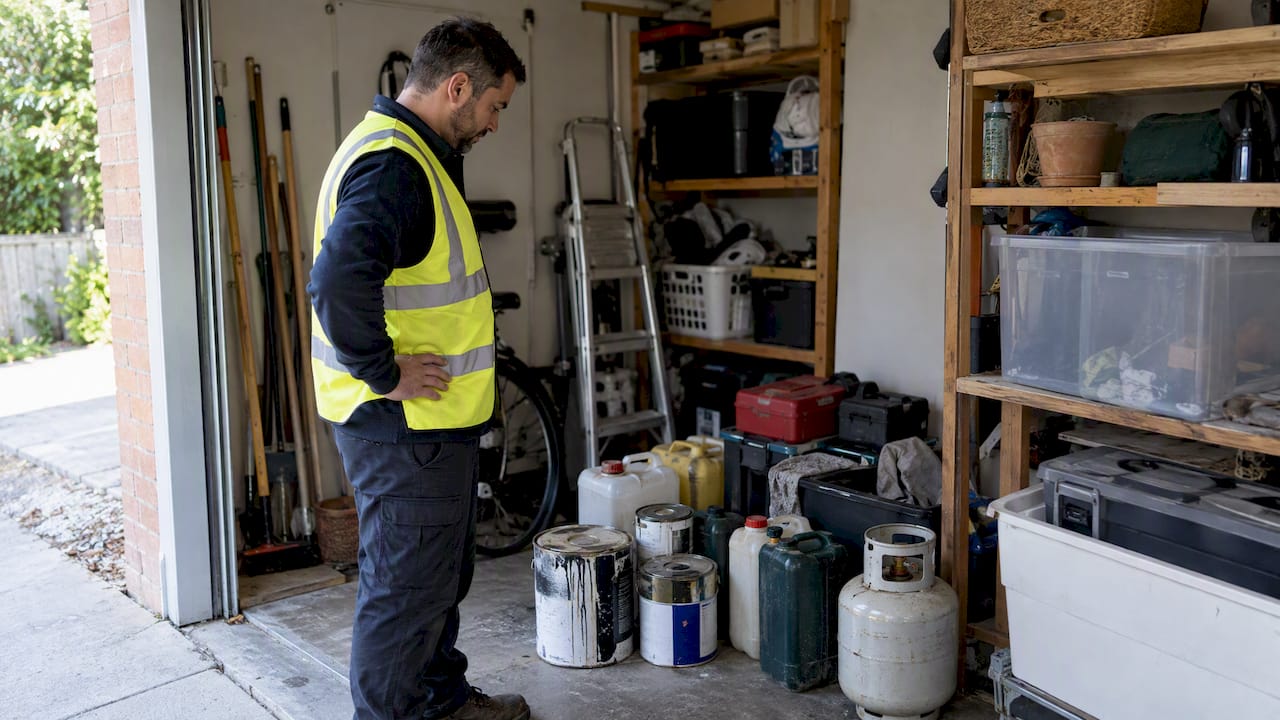
Paint tins, oils, thinners, pesticides, pool chemicals and cleaning products are liquid waste. Junk crews will not take them because they leak in transit and are classed separately at tips.
The free program for households is Detox Your Home, run by Sustainability Victoria. Its published rules include a maximum of 20 kg or 20 L per container, clear labelling, and bringing only accepted items. If a paint is not on their list, it is not accepted, so check before you drive.
Businesses cannot rely on this program for trade quantities. Workshops, cafes with cooking oil, painters and building trades generate industrial waste that must be classified and sent to an appropriate facility. That responsibility belongs to the producer, as EPA Victoria’s waste duties page explains.
Tip: empty, dry paint tins are a different matter from full or half-full ones. Ask your local council or removalist how they treat them.
Batteries, gas bottles and fire risk
Lithium and other batteries are a growing cause of truck and sorting-plant fires, which is why almost every waste service refuses them. Car batteries, power tool packs, e-bike batteries and toy batteries all fall in the same bucket.
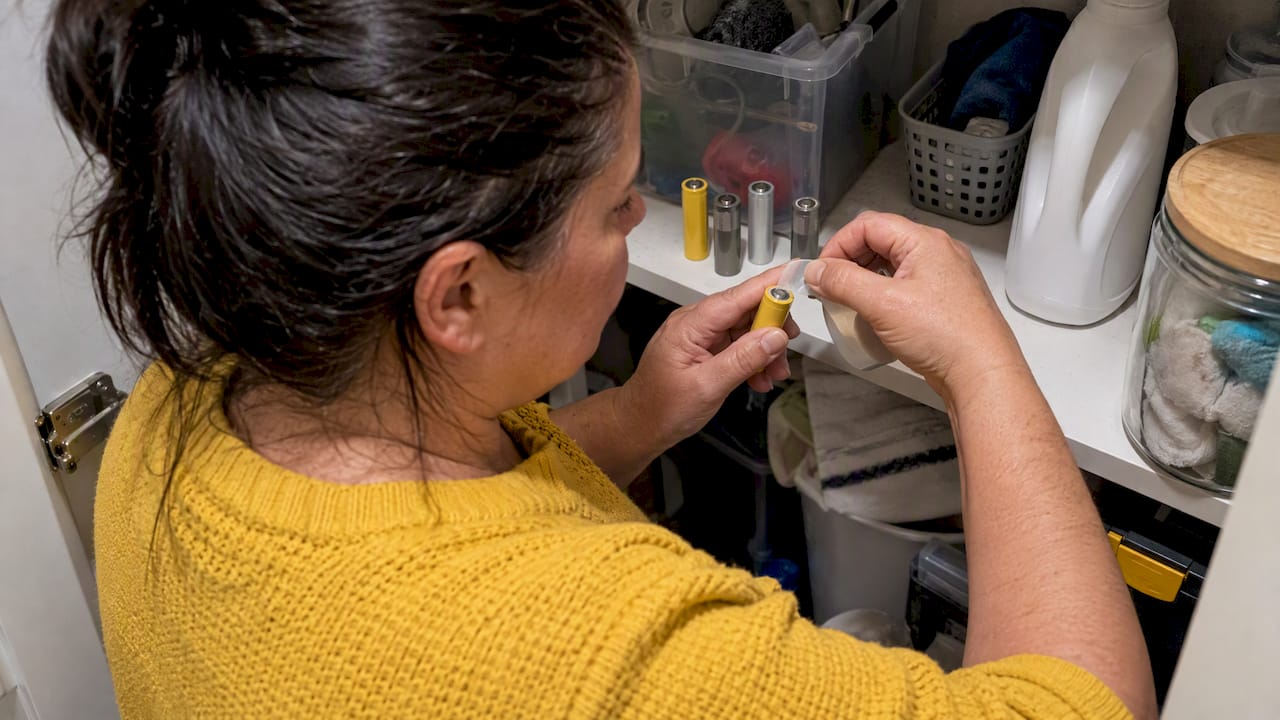
Keep batteries out of bins, and tape the terminals of loose lithium cells if you are storing them. Our guide to battery disposal explains the safe options.
Gas bottles and BBQ cylinders should go back to the supplier or an exchange. Petrol lawn mowers and BBQs are often accepted as scrap metal only once fuel, oil and gas have been removed, a rule that councils such as Hobsons Bay apply to appliances and metal items. Fridges and freezers have their own requirements, covered in our fridge disposal guide.
Electronics: banned from landfill, not from disposal
E-waste catches people out because it feels like ordinary junk. In Victoria it is not. The EPA’s regulations prohibit e-waste going to landfill for every generator, households and businesses included. The exemptions are narrow, such as negligible amounts in otherwise permitted waste, and specific items like smoke detectors.
So a desk full of monitors, a rack of old servers or a pile of printers cannot just be tipped. They need a recycling pathway. We cover the options in Disposing of E-Waste in Melbourne and on our e-waste collection page.
If the equipment still works, selling it before disposal can recover some value, and a guide on where used electronics fetch the most cash is a useful starting point. For data-bearing devices, wipe or remove drives first.
Large powered items such as treadmills mix electronics, metal and sometimes batteries, which is why gym equipment disposal has its own routes.
Building and demolition waste
Bricks, concrete, tiles, pavers, soil and plasterboard are normally refused from household hard waste and from general junk loads. They are heavy, they need a licensed facility and some can hide contaminants such as asbestos.
If your job involves renovation or demolition debris, use a service built for it. Our guide to disposing of building waste in Melbourne walks through sorting and options, and our construction waste removal service handles the collection side. For larger jobs, we also do commercial demolition and building strip-outs.
Council hard waste: who it is for
Council collections are a good deal for residents but they are not designed for businesses. The City of Melbourne, for example, offers residents one free hard waste collection of one cubic metre per financial year, and commercial or retail addresses are not eligible. Highrise residents can ask their building manager to book.
Rules vary by council, so read yours:
- Boroondara requires a booking, only allows items out two days before collection, and treats unbooked items on the kerb as illegal dumping.
- Greater Dandenong lists what it takes, with limits such as a maximum of two mattresses and timber under 1.5 metres.
- Hobsons Bay accepts whitegoods and large appliances with conditions, such as fridge doors removed.
Our hard waste collection overview covers the City of Melbourne specifics.
What businesses and property managers need to know
Three points trip up commercial clients.
You cannot use residential bins. Environmental authorities treat putting trade, industrial or building materials in household kerbside bins as unauthorised disposal, and it disrupts recycling streams, according to EPA Victoria guidance.
You carry the classification duty. The waste producer, not only the transporter, must make sure waste is classified and goes to a lawful place. Hiring a removalist does not remove your obligations, so ask what happens to your waste after pickup.
Waste dumped on your site is your problem. EPA Victoria explains that illegal dumping includes leaving waste on private land, and occupiers can be held responsible for clean-up. Lock dumpsters, restrict access to loading docks and monitor unattended piles in car parks.
For the volume side of the equation, a business recycling plan reduces what leaves your site, and the guide to recycling in the Melbourne CBD covers local specifics. Foam packaging is a classic mistake: see why EPS foam does not belong in the yellow bin.
What the penalties look like
Under the Act, littering covers waste up to 50 litres and illegal dumping covers larger amounts. The EPA says enforcement can include infringement notices, enforceable undertakings or court fines. In one case the EPA recorded, a company was fined $12,500 plus $2,988.80 in costs for dumping industrial waste at an unlicensed site. Directors can be exposed as well as companies.
The lesson is that a cheap, unexplained pickup is not a bargain if the waste ends up in a paddock.
How to prepare for a junk removal booking
A five-minute check saves most refused loads.
- Walk the site and list everything. Include the back of cupboards, storerooms, roof spaces and sheds.
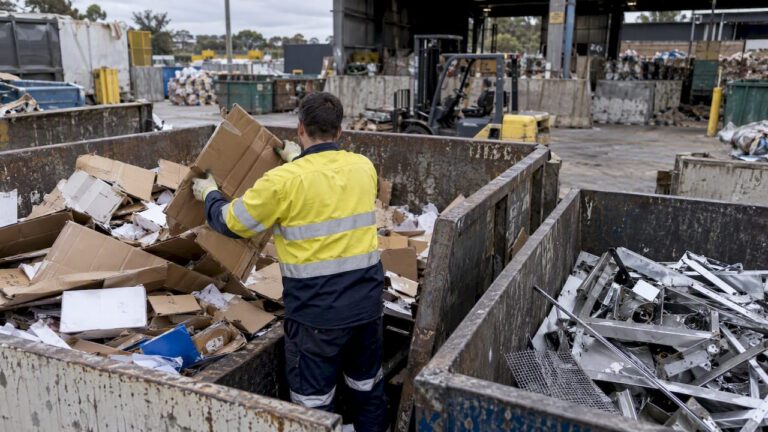
- Separate the restricted items. Put batteries, chemicals, gas bottles and electronics aside and tell your removalist.
- Flag anything old and suspicious. Fibro, textured ceilings, old flooring and lagging should be assumed to be asbestos until tested.
- Empty appliances. Remove fuel, oil, gas and food. Drain and defrost fridges.
- Photograph the pile. Send images with your request so the quote matches the job.
- Confirm the paperwork. For commercial jobs, ask how waste is classified and where it goes.
How we work with restricted items
We clear offices, fit-outs, makegoods, strip-outs and construction sites across Melbourne, including the CBD, South Melbourne, Port Melbourne and West Melbourne. If your job includes e-waste, batteries or building debris, tell us when you book so the right pathway is planned. For office work, start with our commercial office rubbish removal or office cleanout services, or send details through our quick quote form. We promise to beat any written quote by 5%, and we offer a carbon-neutral option.
FAQ
What can’t a junk removal company take?
Typically asbestos, liquid chemicals, paint, oil, gas bottles, batteries, tyres, medical sharps, putrid food waste and anything illegal to move without a licence. Each provider sets its own list, so confirm yours when you book.
Can I put e-waste in my general bin in Victoria?
No. Victorian regulations prohibit e-waste from landfill for households and businesses, with narrow exceptions. Use an e-waste recycling service or drop-off.
Can a business use council hard rubbish collection?
Generally not. The City of Melbourne says commercial and retail addresses are not eligible, so businesses need a private provider and must classify their own waste.
What should I do if I find asbestos during a clean-out?
Stop work and leave it undisturbed. Household amounts must go to a landfill authorised to take asbestos, after calling ahead. Anything larger or commercial calls for a licensed asbestos removalist.
What happens if I dump rubbish illegally?
You can face infringement notices or court-ordered fines under the Environment Protection Act 2017. Dumping industrial waste at an unlicensed site is treated as a serious offence.
Sources
- EPA Victoria: Industrial waste classification publication
- EPA Victoria: Understand your waste obligations and duties
- EPA Victoria: Transport and disposal of waste asbestos
- EPA Victoria: Disposing of asbestos waste
- EPA Victoria: Report illegal waste dumping
- EPA Victoria: Publication 1825
- Sustainability Victoria: Detox Your Home accepted items
- City of Melbourne: Hard waste
- City of Boroondara: Hard waste collection
- Greater Dandenong Council: Hard rubbish collection
- Hobsons Bay: Hard waste